
Lieferung heute & morgen

Qualitätsgarantie

Willkommens-Angebote freischalten: KOSTENLOSE Lieferung | Bis zu 80 % RABATT | Kostenlose 30-Tage-JoyPlus-Testphase
App herunterladen
Choosing the right baking pan is often the decisive step that determines the success or failure of a recipe. Yet, the market is flooded with products whose marketing promises suggest more than their material properties can deliver. An unsuitable pan not only leads to frustration but also to unnecessary expense. This guide will help you identify the essential features and avoid common purchasing traps.
Before deciding on a model, it's helpful to know the most common problems that arise with low-quality products.
To avoid these problems, you should check three central aspects before buying: the material, the construction, and the intended use.
The material significantly determines the baking properties and longevity of a pan.
The shape should match your baking project.
Here are some models tailored to the specific needs of home bakers that purposefully avoid the pitfalls mentioned.

Why This Fits Their Persona: Ideal for anyone who regularly bakes bread, especially sourdough, and needs a durable, robust pan that can withstand demanding recipes.
The cut-resistant enamel base and the ceramic-reinforced KAIRAMIC coating are explicitly sourdough-resistant. This prevents the failure of the non-stick property due to fruit or dough acids.
Excellent structural integrity due to thick material; cut- and scratch-resistant base; very good heat conduction for an even crust.
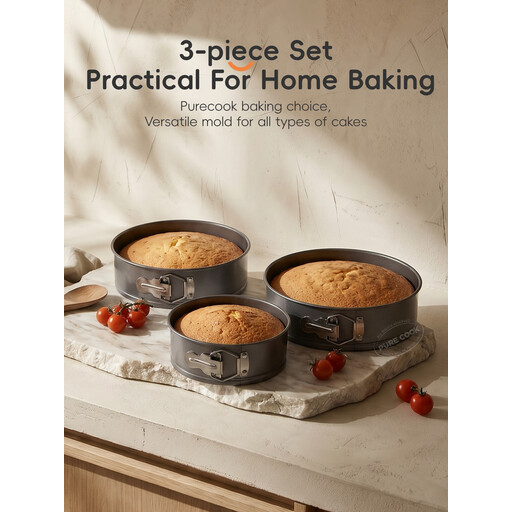
Why This Fits Their Persona: Perfect for baking novices looking for a versatile starter kit without a large initial investment. The set covers the most common cake sizes.
The adjustable metal latch is designed to seal the seams tightly, preventing batter from leaking—a direct solution to the problem of unstable springform pans.
Three different sizes (18, 20, 24 cm) for maximum flexibility; quick-release latch for easy unmoulding; excellent value for money.
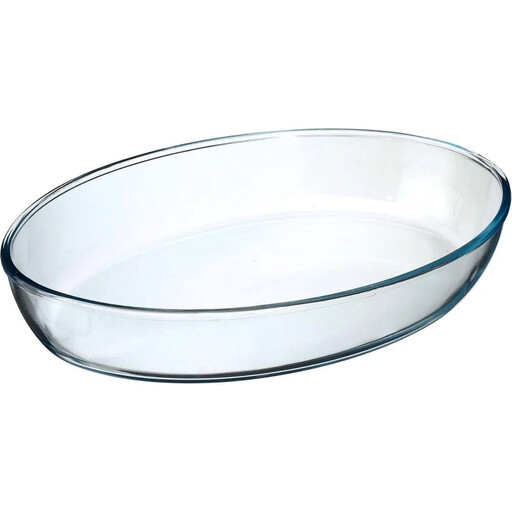
Why This Fits Their Persona: For households seeking a multifunctional dish that is equally suitable for sweet sheet cakes, savoury casseroles, or lasagne, and is also microwave- and dishwasher-safe.
Glass has no coating that can wear off. It is naturally resistant to acids, scratch-proof, and retains its properties for years. This bypasses the "failing non-stick coating" trap entirely.
Extremely versatile (oven, microwave, dishwasher); high heat resistance up to 300°C; easy to clean and hygienic.
We have compiled a complete, up-to-date list of products that fully meet these strict selection criteria and all relevant safety regulations.
1. How do I properly care for a non-stick baking pan to extend its lifespan? To protect the coating, you should wash the pan by hand with a soft sponge and mild washing-up liquid. Avoid metal utensils and never cut directly in the pan. Stacking without protection (e.g., a tea towel in between) can also cause scratches.
2. Is a silicone mould suitable for every recipe? Not without limitations. Silicone moulds are excellent for pound cakes, muffins, brownies, and chilled or frozen desserts because the baked goods release easily. For breads or doughs that need to develop a strong, crispy crust, a metal pan is often the better choice as it transfers heat more directly and promotes better browning.
3. My springform pan is leaky. What can I do? First, check that the base is inserted correctly and sits level in the ring. For very liquid batters, it can help to line the base with baking parchment that extends slightly over the edge and is clamped by the ring. However, if the latching mechanism is bent or worn out, replacing the pan is often the safest solution to reliably prevent leaks.