
Lieferung heute & morgen

Qualitätsgarantie

Willkommens-Angebote freischalten: KOSTENLOSE Lieferung | Bis zu 80 % RABATT | Kostenlose 30-Tage-JoyPlus-Testphase
App herunterladen
A quality baking pan is the foundation of every successful cake. However, the market is saturated with products that overpromise and underdeliver. A warped tray, a scratched base, or leaking batter can quickly ruin your baking experience. Before making a decision, it's crucial to understand the most common weaknesses, which often only become apparent after a few uses.
This guide focuses on the objective features that define a durable and functional cake pan, helping you separate marketing hype from genuine quality.
Many baking pans look solid at first glance but reveal their weaknesses only with use. Pay close attention to these three points to avoid buyer's remorse:
To avoid these problems, you should evaluate three core parameters. These are the primary determinants of your new baking pan's performance and lifespan.
The material is crucial for an even bake. Most baking pans are made of metal, but there are important differences:
The material's gauge is often a direct indicator of quality. A heavier pan is typically more robust and durable.
A good non-stick coating not only makes it easier to release the cake but also simplifies cleaning. Proper care is essential to maintain its function long-term. Regardless of the manufacturer's instructions, it is recommended to wash non-stick pans by hand with a soft sponge. Metal utensils and abrasive cleaners should be avoided as they can damage the surface.
The choice of pan depends on what you plan to bake:
A bakeware set can be a worthwhile investment if you regularly prepare different types of cakes.
Here are some product suggestions tailored to specific needs, all of which meet the quality criteria mentioned.
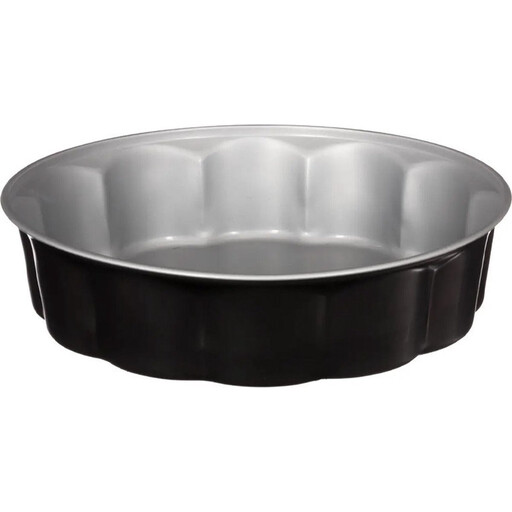
Why this product is a good fit: A classic 26 cm round cake pan suitable for a wide variety of standard recipes. It's a solid, entry-level option for those who occasionally bake a simple sponge or fruit cake without a large investment.
The metal construction offers greater stability than budget products. With proper care via handwashing, the non-stick coating remains functional for a long time.
Universal 26 cm size that fits most common cake recipes and allows for straightforward handling.
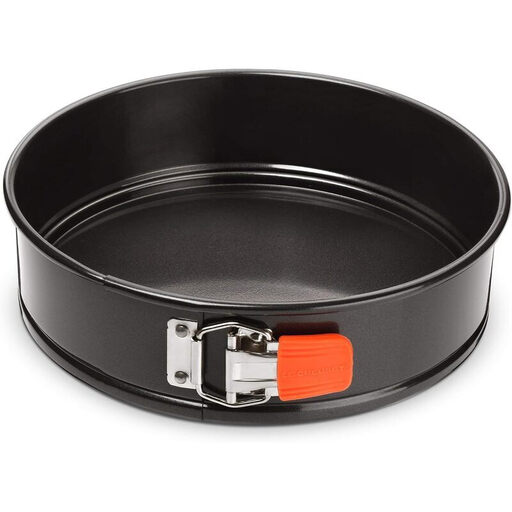
Why this product is a good fit: For home bakers who value precision and durability. Ideal for delicate cheesecakes, elaborate tortes, or sponge layers where clean edges and easy release are paramount.
The heavy-gauge carbon steel prevents warping in the oven. The springform pan's precision latch mechanism minimises the risk of batter leakage.
The construction ensures exceptionally even heat distribution and structural stability, leading to consistent baking results. Silicone inserts provide extra grip.
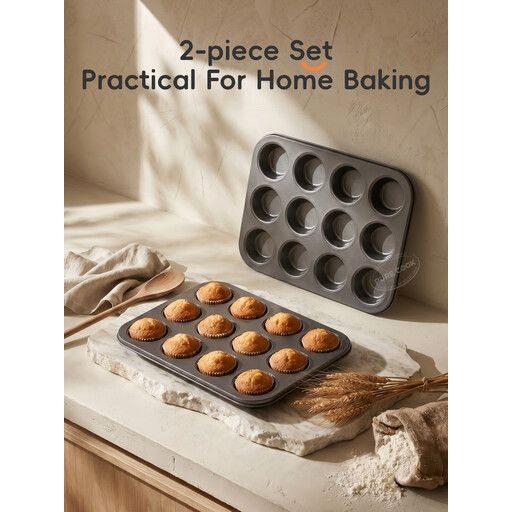
Why this product is a good fit: Perfect for families, parties, or meal-prepping snacks. This set of two muffin tins allows you to bake 24 muffins, mini-cakes, or brownies simultaneously, saving time and energy.
The carbon steel ensures even browning across all 12 cavities, avoiding the issue of unevenly cooked batches common with thin tins.
The 2-piece set offers high capacity for preparing large quantities. The pans are lightweight and stackable for compact storage.
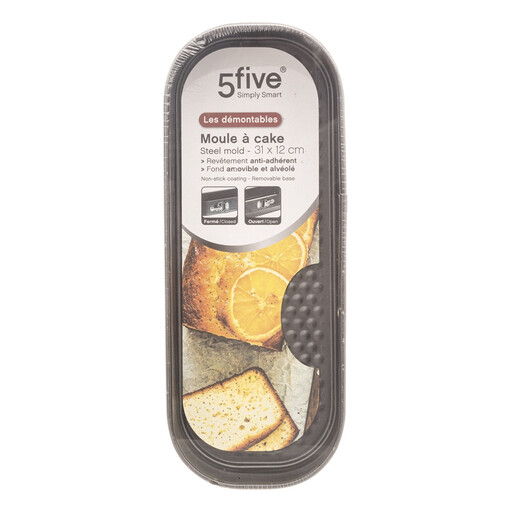
Why this product is a good fit: The unique rectangular shape and height are ideal for creative baking projects like multi-layered tortes, tall cheesecakes, or brownies that require precise slicing. It offers an alternative to the classic round pan.
The secure clamp latch is specifically designed to prevent liquid batter from leaking—a critical flaw in many standard springform pans.
The removable base allows for effortless release of the baked goods without damaging their delicate structure or clean edges.
We have compiled a complete, up-to-date list of products that meet these strict selection criteria and comply with current regulations.
It's best to wash the pan by hand with warm water, mild dish soap, and a soft sponge or cloth. Avoid steel wool or abrasive cleaners, as they can permanently damage the coating. Allow the pan to cool completely after baking before cleaning it.
It is generally not recommended to use metal utensils like knives or forks in a non-stick pan, as they can scratch the surface. Instead, opt for utensils made of wood, silicone, or plastic to extend the life of the coating.
Warping is usually a sign of material that is too thin. The metal expands at high temperatures, and if it's not thick enough, it can deform permanently. To avoid this problem, look for a solid material gauge, such as that found in pans made from heavy-gauge carbon steel.