
Lieferung heute & morgen

Qualitätsgarantie

Willkommens-Angebote freischalten: KOSTENLOSE Lieferung | Bis zu 80 % RABATT | Kostenlose 30-Tage-JoyPlus-Testphase
App herunterladen
As a Joybuy Product Recommendation Officer, I see the vast number of options available to home bakers every day. A good baking pan is the foundation of any successful cake, but the sheer variety can be overwhelming. Often, well-intentioned marketing promises lead to frustration in the kitchen. So, before you purchase a new cake pan, it's helpful to know the typical pitfalls that often only become apparent after you've bought it.
Many buyers invest in pans that prove to be unusable after a short time. The most common problems are:
A thoughtful choice will save you from these problems and ensure long-lasting enjoyment in your baking.
To avoid a bad purchase, you should examine three core aspects: the material, the construction, and the type of coating. These factors determine durability, baking performance, and ease of use.
The material has a major impact on heat conduction and stability.
The design is just as important as the material.
The quality of the non-stick coating determines how easily the cake releases and how durable the pan is.
Rather than presenting an overwhelming list, we've selected products for specific user profiles.
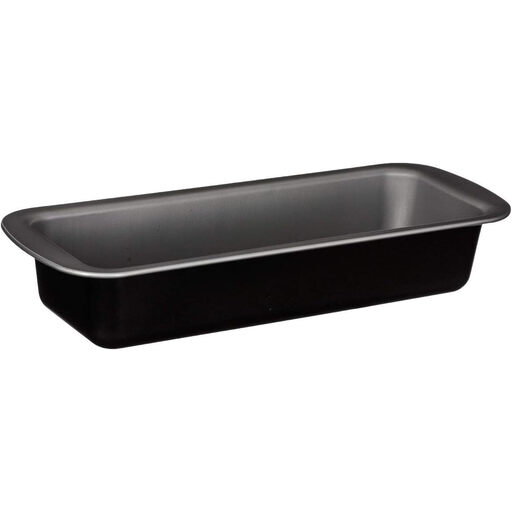
Why it's a great fit: Ideal for anyone looking for a reliable and straightforward loaf pan for classic pound cakes or a simple bread pan without investing in special features. A solid entry-level product for occasional use.
This pan avoids complex mechanisms like a springform clasp, which are often a weak point in budget models. The simple, one-piece metal construction is robust and durable.
Sturdy metal construction for even heat distribution for cakes and breads. Simple to use and clean (hand washing recommended).

Why it's a great fit: For those who bake regularly and value reliability, especially with demanding recipes like cheesecake. This springform pan is designed for durability and perfect results.
According to the manufacturer, the model is leak-proof, which solves the problem of messy ovens. The enamelled base is cut-resistant, preventing scratches on the coating—one of the most common flaws in standard pans.
The SafeClick clasp ensures easy handling and a tight seal. The combination of a KAIRAMIC non-stick coating on the ring and a cut-resistant enamel base offers superior functionality.
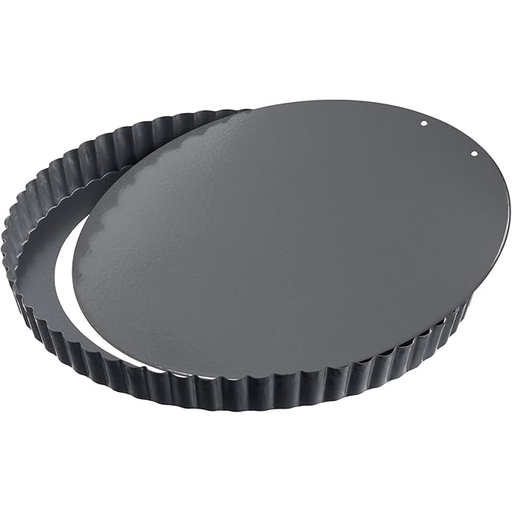
Why it's a great fit: Perfect for creating delicate tarts, quiches, and fruit cakes where a flawless edge and clean removal are crucial. A true specialist's tart pan.
The removable base solves the problem of shortcrust pastry bases breaking when being removed from the pan. The pastry can be presented directly on the serving-ready, cut-resistant base, which protects the ring's coating.
The combination of a removable base and a cut-resistant enamel coating allows for professional handling from baking to serving. The KAIRAMIC coating on the ring simplifies cleaning.
We've compiled a complete, up-to-date list of products that meet objective selection criteria and current standards.
To maximise the lifespan of a non-stick baking pan, it should be washed by hand with warm water, a mild dish soap, and a soft sponge. Abrasive cleaners and scouring pads will damage the surface. Even if some parts are declared dishwasher-safe, hand washing is gentler on the material in the long run. Always let the pan cool completely before cleaning.
For the first use, it is often recommended to lightly grease a silicone baking mould with oil. For subsequent uses, this is usually not necessary, as the material has natural non-stick properties. However, for very sugary or low-fat batters, a light greasing can make removal even easier.
The term leak-proof means that the construction of a springform pan is designed to prevent normal to thick batters from leaking out. This is usually achieved with a precision-closing ring and a base with a small channel or seal. For very thin batters, like those used for some cheesecakes, it can still be a good idea to wrap the outside of the pan in aluminium foil as a precaution.