
Lieferung heute & morgen

Qualitätsgarantie

Willkommens-Angebote freischalten: KOSTENLOSE Lieferung | Bis zu 80 % RABATT | Kostenlose 30-Tage-JoyPlus-Testphase
App herunterladen
A good baking pan is the foundation for countless culinary successes—from a moist birthday cake to a crusty Sunday loaf. But the market is overwhelming and full of promises that often fall short. Before you make a decision you'll later regret, it's crucial to understand the common pitfalls that lead to kitchen frustration. As your Joybuy Product Recommendation Officer, I'm here to help you separate the wheat from the chaff.
Many home bakers invest in products that quickly prove to be useless. Watch out for these three widespread problems to make an informed choice:
To avoid these problems, you should focus on the objective characteristics that define a durable and functional baking pan.
The material is a key determinant of your pan's baking performance and longevity.
The shape is not purely an aesthetic feature but is tied to its intended use.
Instead of making blanket recommendations, we have identified products that are tailored to specific needs and user profiles.
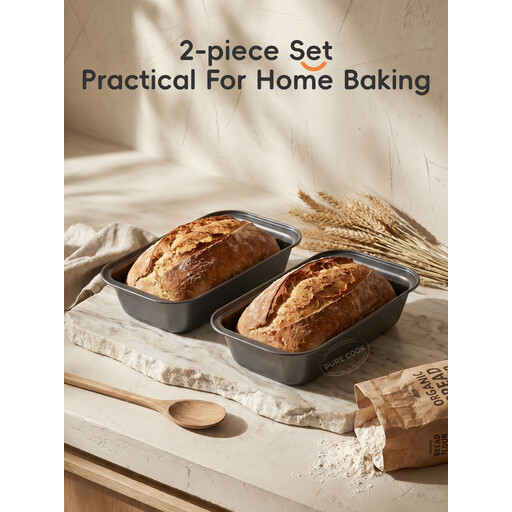
Why This Fits Their Persona: This set provides a solid starter kit for anyone new to baking. With two loaf pans, it covers the most common uses for bread and cakes without breaking the bank.
The pans are made from thickened carbon steel, which ensures even heat distribution and prevents warping—a typical problem with thin-walled, cheap products.
Great value for money with the 2-piece baking pan set. The non-stick coating makes it easy to release baked goods and simplifies cleaning.
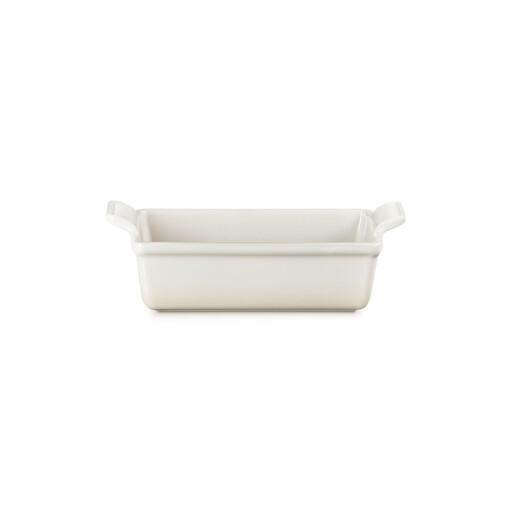
Why This Fits Their Persona: For those who value longevity, outstanding baking results, and an attractive design. This dish is an investment that pays off through its versatility and durability, going straight from the oven to the table.
The glazed stoneware is scratch and stain resistant and does not absorb odours. There is no coating that could peel off, which ensures an extremely long lifespan.
Excellent heat distribution and retention for even cooking. Temperature resistant from -23°C to +260°C, making it suitable for the oven, microwave, and freezer.

Why This Fits Their Persona: Ideal for ambitious bread bakers who regularly bake large loaves, especially with sourdough. The pan is designed for durability and functionality under demanding conditions.
The enamelled base is cut-resistant and explicitly sourdough-resistant. This specifically addresses the problem of acidic doughs that can damage conventional coatings.
The dual-layer KAIRAMIC ceramic non-stick coating ensures easy release of the bread, while the robust steel body guarantees dimensional stability even at high temperatures up to 250°C.
We've compiled a complete, up-to-date list of products that fully meet these strict selection criteria and rigorous safety standards.
1. How long does a non-stick baking pan last? The lifespan of a non-stick coating depends heavily on its quality and care. High-quality coatings (e.g., based on ceramic or enamel) can last for many years with proper handling. Avoid metal utensils, harsh detergents, and generally, cleaning in the dishwasher to protect the coating. Hand washing is recommended for most coated pans.
2. Can I put a ceramic baking pan in the oven straight from the fridge? Although high-quality ceramic pans like those from Le Creuset or Staub have high thermal resistance, it is generally not recommended to subject a cold dish to sudden thermal shock by placing it in a fully preheated oven. Let the dish sit at room temperature for a few minutes or place it in a cold oven and then heat them up together to minimise the risk of cracking.
3. What material is suitable for sourdough bread? Sourdough is acidic and can attack simple non-stick coatings and unprotected metal. The ideal choices are pans made of cast iron, glazed stoneware/ceramic, or steel pans with a specially designated, acid-resistant enamel base, like the one offered by the Kaiser La Forme Plus series. These materials do not react with the acid and ensure long-term durability.