
Lieferung heute & morgen

Qualitätsgarantie

Willkommens-Angebote freischalten: KOSTENLOSE Lieferung | Bis zu 80 % RABATT | Kostenlose 30-Tage-JoyPlus-Testphase
App herunterladen
A good baking pan is the foundation for every perfect cake, moist loaf of bread, and flawless torte. However, the market is flooded with products whose promises often fail to match reality. A coating that wears off quickly or a pan that warps under heat leads to frustration in the kitchen and is ultimately a poor investment. As your Joybuy Product Recommendation Officer, I'm here to help you identify the common pitfalls and make an informed decision that suits your baking habits.
Before you choose a model, it's important to know the most common issues that arise with low-quality baking pans. This will allow you to specifically look for products that don't have these weaknesses.
To avoid the problems mentioned above, you should focus on three essential features when making your selection. These define the quality and longevity of your future baking pan.
The material is the heart of any baking pan. The most common options have specific advantages and disadvantages:
The choice of the right pan depends directly on what you plan to bake:
Always check the manufacturer's specifications for maximum heat resistance. Most quality pans are heat-resistant up to 230–250°C (450–480°F). Also, pay attention to the care instructions: many non-stick pans are not dishwasher-safe, as harsh detergents can damage the coating. Gentle hand washing will significantly extend their lifespan.
Here are some recommendations tailored to different needs and budgets, which take the quality criteria mentioned above into account.

Why This Fits Their Persona: Ideal for home bakers who regularly make bread (including sourdough) and dense cakes, and who need a durable, reliable pan that can withstand intensive use.
The KAIRAMIC ceramic non-stick coating and the enamelled, cut-resistant base counter the pitfall of a short-lived coating. The heavy-gauge material prevents warping.
Acid-resistant for sourdough and features a cut-resistant base. Excellent heat conduction for even browning.
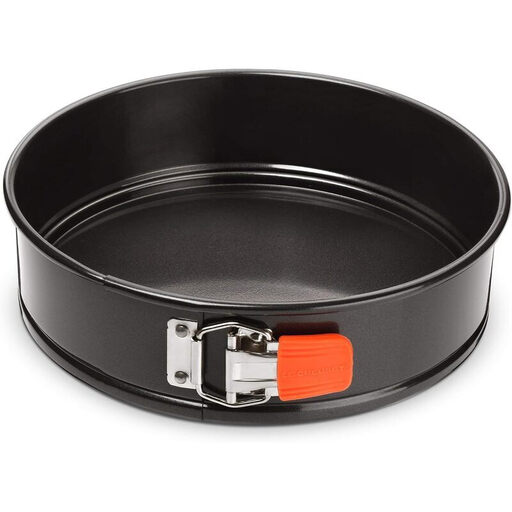
Why This Fits Their Persona: Perfect for those who value brand quality and need a reliable springform pan for delicate sponge layers, tortes, and creamy cheesecakes.
The heavy-gauge carbon steel prevents warping under heat. Its high-quality non-stick coating is specifically designed for the easy release of delicate baked goods.
Even heat distribution for consistent baking results. Secure latch mechanism and silicone grips for better handling.
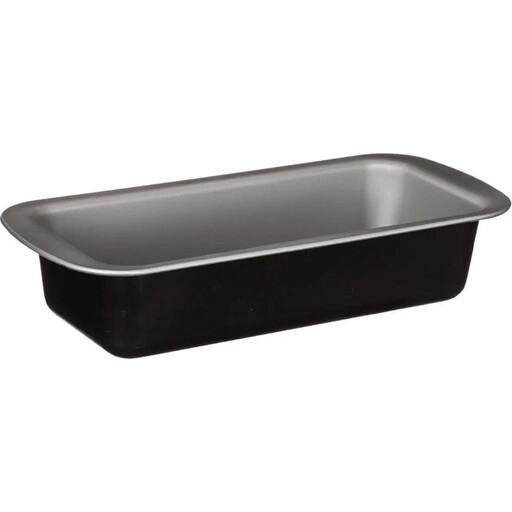
Why This Fits Their Persona: A solid and functional basic loaf pan for those who occasionally bake a simple cake or bread and don't want to make a large investment.
Although it's a budget-friendly model, it offers a sturdy metal construction. By following the care instructions (hand wash), you can extend the life of the coating.
Excellent value for basic baking needs. Easy to use for standard recipes.
Now that you've achieved the ideal result with the right baking pan, find everything you need to store and transport your masterpieces.
1. How long does a non-stick baking pan last? The lifespan heavily depends on the quality of the coating and how it's cared for. High-quality, ceramic-reinforced coatings can last for several years with proper handling (no metal utensils, hand washing). Simpler PTFE coatings often show signs of wear after one to two years of intensive use.
2. Do I need to grease a silicone baking mould? Although silicone has good non-stick properties, it is recommended to lightly grease the mould before its first use. For subsequent uses, it's often not necessary, but it can be helpful with particularly sticky batters or to ensure a flawless surface on the cake.
3. Why does my cake bake unevenly in the pan? This is often due to a combination of the material and oven heat. A very thin, dark baking pan absorbs heat very quickly, leading to dark edges before the centre is fully baked. Try lowering the baking temperature by 10–15°C (20–25°F) and extending the baking time accordingly. A heavier, thicker-walled pan will also provide better, more even heat distribution.