
Lieferung heute & morgen

Qualitätsgarantie

Willkommens-Angebote freischalten: KOSTENLOSE Lieferung | Bis zu 80 % RABATT | Kostenlose 30-Tage-JoyPlus-Testphase
App herunterladen
A new baking pan should be a joy to use, but it often leads to disappointment: the cake sticks, the pan warps after just a few uses, or cleaning becomes a test of patience. The market is flooded with products whose marketing promises don't hold up in practice. Before you buy a new baking pan, it's helpful to know the most common pitfalls to make a durable and functional choice.
As your Joybuy Product Recommendation Officer, I'll filter the essential information for you, so you can make an informed decision based on facts, not marketing slogans.
Here are the three most common problems that occur with cheap or poorly designed baking pans:
non-stick surface is convenient, but many basic coatings wear off quickly, scratch easily, or start to peel after a short time. This not only compromises performance but can also raise concerns about the safety of your baked goods.baking pan leads to uneven results because the batter no longer sits flat, causing heat to be distributed irregularly.To avoid these problems, you should check three key parameters before buying a new cake pan or casserole dish. These are crucial for determining durability, baking performance, and ease of use.
The material is the foundation of any good baking pan. It affects how evenly heat is transferred to your food.
loaf pan, a baking sheet, or a Bundt pan.The coating is crucial for easy release and cleanup.
Choose the pan that matches your project. A round cake pan is an all-rounder for cake layers, while a rectangular pan is ideal for brownies or sheet cakes. Special features offer added convenience:
tart pan with a removable bottom is indispensable for delicate tarts or quiches. It allows you to easily lift the baked good out of the ring intact after baking.Here are some recommendations tailored to different needs and use cases.
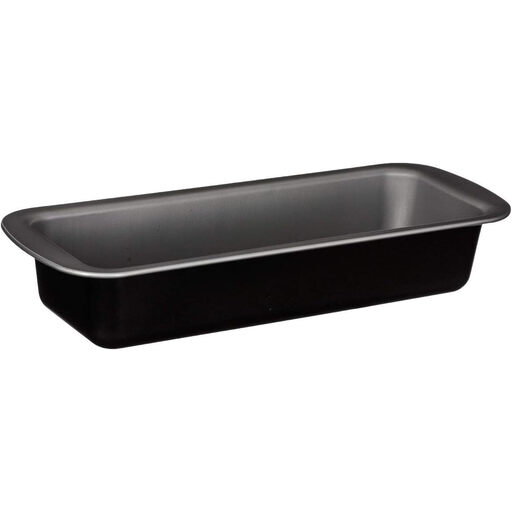
Why This Fits Their Persona: Ideal for those who occasionally bake a simple cake or loaf of bread. This pan focuses on the basic function without complex features that are often prone to failure in this price range.
This pan avoids the trap of inferior coatings by relying on a simple yet sturdy metal construction. It doesn't overpromise on non-stick properties but provides a solid foundation that performs reliably with proper care.
Sturdy metal construction for good heat distribution. Classic 30 cm loaf pan size fits a wide variety of standard recipes.
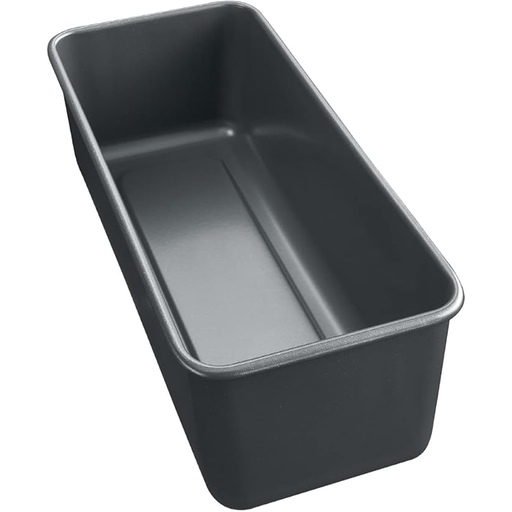
Why This Fits Their Persona: For those who bake regularly and value durability and special features. Perfect for demanding bread doughs (including sourdough) and delicate cakes where sticking is not an option.
This pan solves the problem of peeling coatings with its cut-resistant enamel base and KAIRAMIC ceramic-reinforced coating. The heavy-gauge steel prevents warping and ensures stability for years to come.
Sourdough-resistant and cut-resistant base. Excellent non-stick properties and even heat distribution for professional-level baking results.
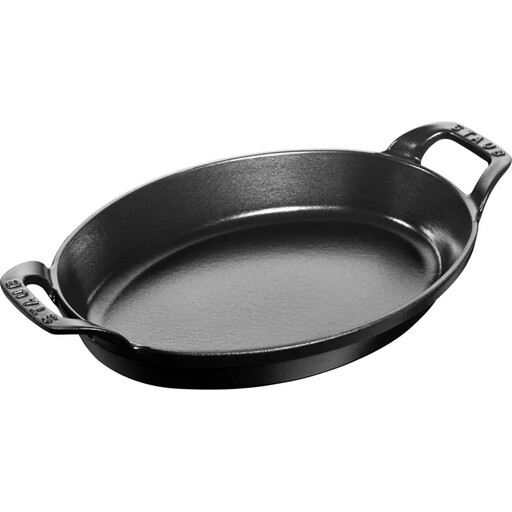
Why This Fits Their Persona: For cooks who want a single, high-quality dish for a wide range of recipes—from gratins and casseroles to roasted vegetables and succulent roasts. Ideal for serving directly from the oven to the table.
Cast iron is extremely durable and does not warp. It's a long-term investment that helps you escape the cycle of replacing cheap, short-lived products. The enamel finish is resilient and easy to clean.
Excellent heat retention for even cooking. Suitable for all stovetops, including induction, and elegant enough for serving.
We have compiled a complete, up-to-date list of products that fully meet these strict selection criteria and safety standards.
Proper care is crucial. It's best to clean a non-stick pan by hand with warm water, a mild dish soap, and a soft sponge or cloth. Avoid abrasive cleaners and steel wool. Even if some pans are labelled as dishwasher-safe, hand washing can significantly extend the life of the coating. Always let the pan cool completely before cleaning.
A baking pan with a removable bottom is particularly useful when you're making delicate baked goods that cannot be inverted, such as classic tarts, quiches, or cheesecakes. The loose base allows you to remove the outer ring after baking and present the item intact on its base or lift it onto a serving platter.
Generally, yes, a loaf pan is suitable for both breads and cakes. However, if you frequently bake bread with sourdough, you should choose a pan explicitly marked as sourdough-resistant. The acid in sourdough can attack and damage basic non-stick coatings over time. Models with an enamel base, like the Kaiser baking pan from the La Forme Plus series, are an excellent choice for this purpose.