
Lieferung heute & morgen

Qualitätsgarantie

Willkommens-Angebote freischalten: KOSTENLOSE Lieferung | Bis zu 80 % RABATT | Kostenlose 30-Tage-JoyPlus-Testphase
App herunterladen
The right baking pan is the foundation of every successful bake. Yet, the market is overwhelming, and many products fail to deliver on their promises. A peeling coating after just a few uses, a leaky springform pan rim, or uneven baking results are common frustrations. As your Joybuy Product Recommendation Officer, I'll help you identify the crucial features and make an informed choice based on facts, not marketing hype.
This guide reveals the three most common pitfalls when buying baking pans and explains which technical parameters you should focus on to find a durable and functional addition to your kitchen.
Many baking pans look promising on the shelf but reveal their weaknesses only after you use them. Watch out for these three widespread problems to avoid disappointment.
To avoid the problems mentioned above, you should examine two core aspects before buying: the material and the construction details.
The material is the primary factor determining your baking pan's heat conduction, stability, and durability.
Beyond the material, it's often the small design details that determine functionality and longevity.
Based on these objective criteria, we have selected a few products from our range that are well-suited for specific user profiles.
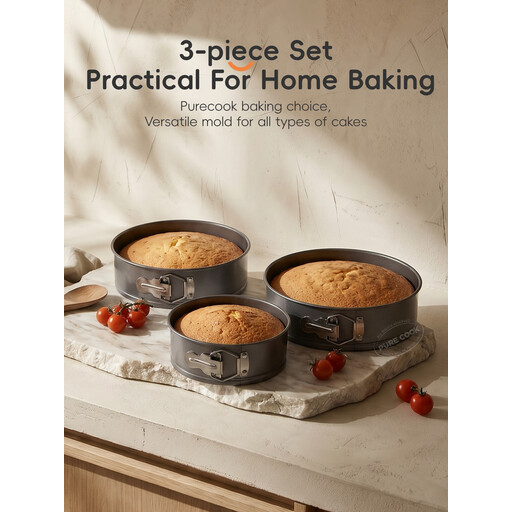
Why This Fits Their Persona: This baking pan set of three round springform pans (18, 20, 24 cm) covers the most common sizes for tortes and cakes. It's ideal for bakers who need flexibility for different recipes and occasions without having to buy multiple individual pans.
The robust quick-release buckle mechanism directly addresses the weak point of leaky springform pans. It ensures a tight seal that minimizes leakage, even with runnier batters like those for cheesecake.
The carbon steel material ensures even heat distribution. The non-stick coating facilitates easy release and cleanup by hand.
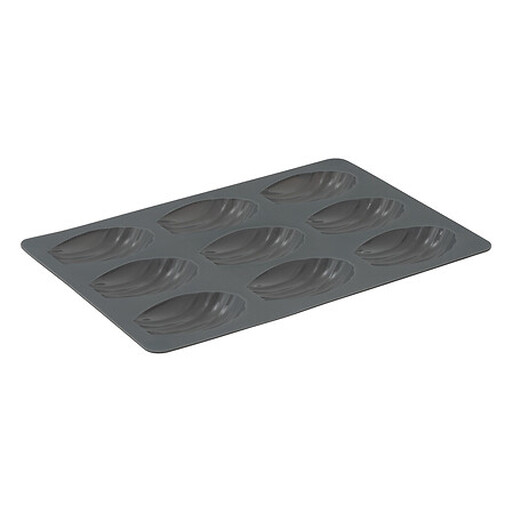
Why This Fits Their Persona: For lovers of French patisserie who want to bake authentic madeleines with the classic shell shape and characteristic "hump." This mold is optimized for a very specific, delicate pastry.
This sidesteps the "wrong material" pitfall. The high flexibility of food-grade silicone is ideal for the fine grooves of the madeleines. A rigid metal pan would make it difficult to release them without damage.
The precisely shaped cavities ensure an authentic appearance. The material allows for effortless "popping out" of the finished little cakes.
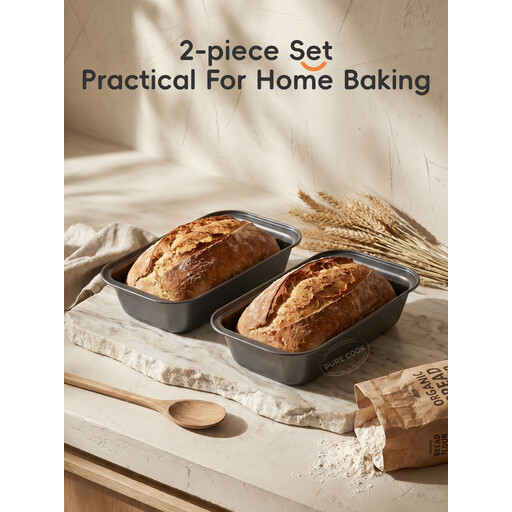
Why This Fits Their Persona: This set is designed for anyone who regularly bakes bread, sandwich loaves, or simple pound cakes in a classic loaf pan. The focus is on functionality and a robust build for repeated use.
This pan counters the problem of unstable construction by using thickened carbon steel. This provides the necessary stability as the dough rises and ensures excellent heat distribution for an even crust.
The construction is specifically designed for the demands of bread dough, supporting even proofing and shaping. The non-stick coating makes it easy to turn out the finished loaf.
We have compiled a complete, up-to-date list of products that fully meet these strict selection criteria and German safety regulations.
1. How do I properly care for a non-stick baking pan to extend its lifespan? The longevity of a non-stick coating heavily depends on its care. As a general rule, avoid using metal utensils or sharp knives in the pan. After it has cooled, clean the pan by hand with a soft sponge and mild dish soap. Aggressive cleaning in the dishwasher can damage the coating over time, even if some manufacturers permit it.
2. Do silicone molds require special preparation before baking? Modern, high-quality silicone molds generally do not need to be greased. However, for the very first use, lightly brushing it with oil can enhance its non-stick properties for future bakes. The most important point is to place the flexible mold on a stable baking sheet before filling it. This facilitates transport and ensures it sits level in the oven.
3. How can I identify a leak-proof springform pan? A crucial feature is the latching mechanism. Does it feel sturdy and close with a distinct click? Also, check the base: a wider rim that fits into the ring's groove with a slight overlap provides a better seal than a base that just butts up against it. A solid material thickness for the entire pan also contributes to its stability and leak-proof performance.