
Lieferung heute & morgen

Qualitätsgarantie

Willkommens-Angebote freischalten: KOSTENLOSE Lieferung | Bis zu 80 % RABATT | Kostenlose 30-Tage-JoyPlus-Testphase
App herunterladen
The selection of baking pans is vast and can quickly become overwhelming. From the classic springform pan to the flexible silicone mold, each promises perfect results. Yet, disappointment often sets in after the purchase: the cake sticks, the pan rusts after just a few washes, or the springform clasp gives way, causing batter to leak in the oven.
As a Joybuy Product Recommendation Officer, I analyse product information daily to help you avoid such frustrations. In this guide, I'll show you the three most common pitfalls when buying baking pans and what you need to look for to make an informed decision.
Marketing promises often sound tempting, but the devil is in the details. These three problems most frequently lead to frustration in the home kitchen.
To avoid the problems mentioned, you should check three core aspects before buying: material, pan type, and construction.
The material is a key determinant of heat conduction and, consequently, the baking result.
Silicone Mold): Molds made from food-grade silicone are extremely flexible, which makes removing the baked goods very easy. They are unbreakable, space-saving, and often suitable for the microwave, freezer, and dishwasher. Their flexibility can be a disadvantage with very liquid batters, as the mold can expand. They are excellent for intricately detailed cakes, muffins, or a heart-shaped baking pan.Glass Baking Dish): Borosilicate glass is very durable, heat-resistant, and hygienic. Since it doesn't absorb odours or flavours and doesn't react with acidic foods, it is highly versatile. Glass heats up more slowly but retains heat very well. This makes it ideal for pies, quiches, and casseroles that need to cook slowly and evenly.The pan's shape should match the intended baking project.
Here are some product recommendations tailored to specific needs and users, designed to avoid the pitfalls mentioned.
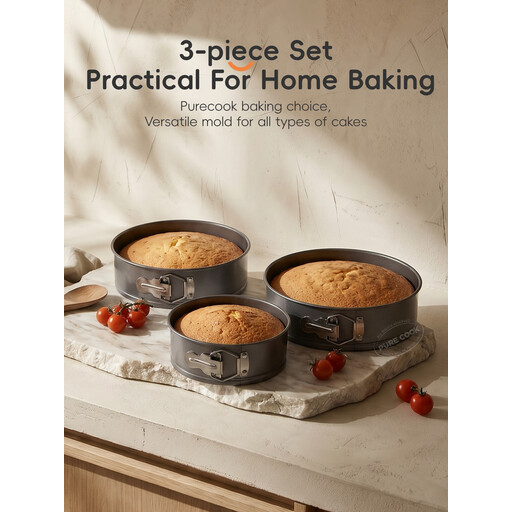
Why This Fits Their Persona: This set offers three common springform sizes (18, 20, 24 cm), covering a wide variety of recipes. It's a cost-effective solution for anyone looking to build or expand their baking collection without compromising on functionality.
The adjustable metal clasp is designed to lock the seams tightly, preventing batter leakage—a direct solution to the trap of an unstable springform mechanism.
The carbon steel set ensures even heat distribution. The non-stick coating facilitates easy release and hand washing.
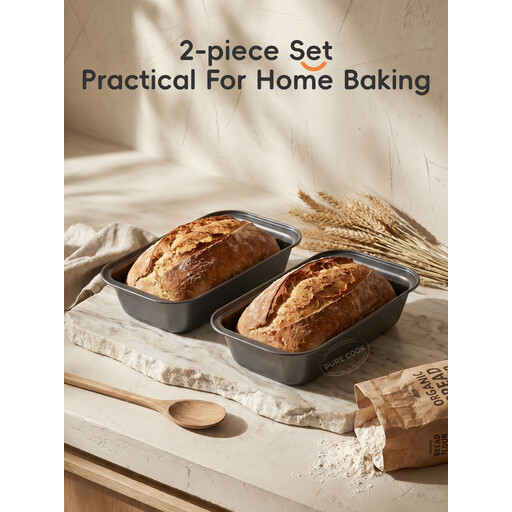
Why This Fits Their Persona: Ideal for those who regularly bake bread and value an even crumb and sharp edges. This set is specifically designed for the demands of bread dough, from proofing to baking.
This pan bypasses the "unsuitable material" trap. The thickened carbon steel provides excellent, even heat distribution, which prevents the bottom from burning and ensures a perfectly baked loaf.
The construction supports even proofing and shaping, resulting in a loaf with a clean structure that is easy to slice.

Why This Fits Their Persona: Perfect for special occasions like birthdays, Valentine's Day, or anniversaries. These molds can be used to create individual mini-cakes, puddings, or even frozen desserts in an appealing heart shape.
The high flexibility of the silicone makes releasing even detailed shapes effortless. This avoids the frustration of the finished product breaking when being removed—a common problem with rigid metal pans with complex contours.
The molds are temperature resistant from -40°C to 230°C, making them suitable for the oven, microwave, and freezer. They are also dishwasher-safe and stackable to save space.
We've compiled a complete, up-to-date list of products that fully meet these strict selection criteria and German safety regulations.
1. How do I properly care for a non-stick baking pan to make it last? To maximize the lifespan of the coating, you should always wash the pan by hand with a soft sponge and mild dish soap. Absolutely avoid using metal utensils, knives, or abrasive cleaning sponges. Allow the pan to cool completely after baking before cleaning it.
2. Do I need to grease a silicone mold? Lightly greasing is recommended for the first use to ensure optimal results. For most subsequent uses, this is no longer necessary thanks to silicone's natural non-stick properties. However, for particularly sticky batters or for absolute certainty, a thin layer of grease can be helpful.
3. My springform pan is leaking. What can I do? First, ensure that the base is inserted correctly and evenly into the ring before closing the latch. For very liquid batters, like for a cheesecake, you can wrap the outside of the closed pan with one or two layers of aluminium foil as a precaution. In the long run, investing in a pan with a high-quality, sturdy locking mechanism is the most reliable solution.