
Lieferung heute & morgen

Qualitätsgarantie

Willkommens-Angebote freischalten: KOSTENLOSE Lieferung | Bis zu 80 % RABATT | Kostenlose 30-Tage-JoyPlus-Testphase
App herunterladen
A high-quality baking pan is the foundation for every perfect bake. However, the market is crowded, and many products fail to deliver on their promises. A warped base, a peeling coating, or leaking batter can not only ruin your baking results but also lead to frustration in the kitchen. As your Joybuy Product Recommendation Officer, I have analysed the most common issues to help you make an informed decision.
Before you invest, you should be aware of the three typical pitfalls that often lead to a poor purchase:
To avoid these problems, you should focus on three critical features. These define the quality, durability, and functionality of a baking pan.
The material is the primary factor determining the pan's heat conduction and stability.
A good non-stick cake pan makes releasing the cake and cleaning up significantly easier.
Choose the pan that matches your baking project.
Here are some recommendations tailored to specific user profiles that meet the quality criteria mentioned above.
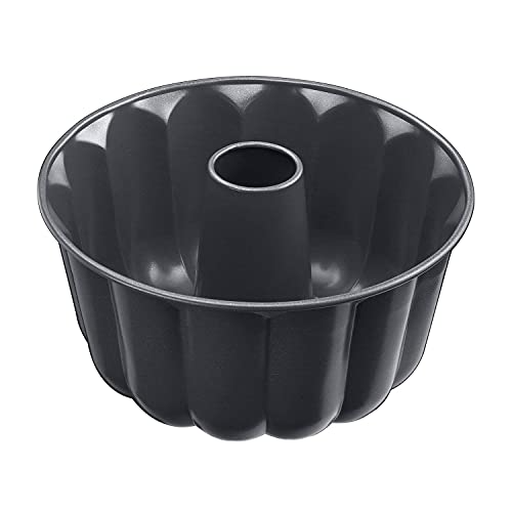
Why This Fits Their Persona: For bakers who value perfect results and durability. This pan is designed for frequent use and demanding recipes where even heat distribution is crucial.
The extra-thick steel prevents warping. According to the manufacturer, the KAIRAMIC coating is abrasion-resistant, and the enamelled base is cut-resistant, which bypasses the short-lived coating trap.
Excellent heat conduction for even browning and a central chimney that ensures dense batters bake through. The manufacturer provides a 10-year warranty on the coating.
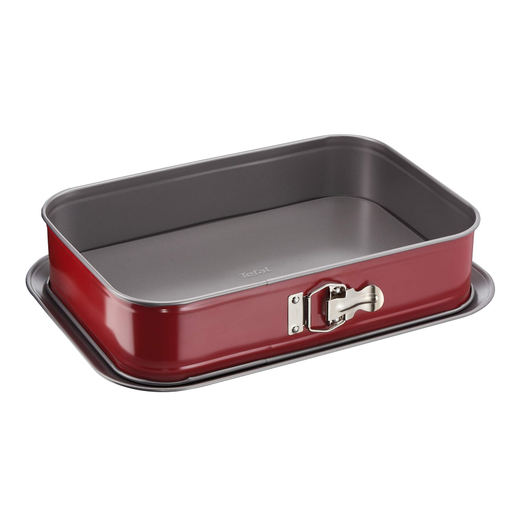
Why This Fits Their Persona: Ideal for families and hobby bakers looking for a versatile, no-fuss pan for sheet cakes, brownies, or casseroles. The focus is on easy handling and cleaning.
The carbon steel ensures structural stability. The removable base solves the problem of sticking and breaking when lifting the cake out, which often happens with basic pans lacking this feature.
The removable base allows for effortless and clean serving. The extended rim with an overflow guard prevents batter from dripping into the oven.

Why This Fits Their Persona: Specifically for baking bread, especially with demanding sourdough. This pan resists acidity and delivers the even crust that is crucial for a good loaf.
The enamelled base is explicitly designated as sourdough-resistant and cut-resistant. This prevents damage to the coating from the dough's acidity or from cutting the bread in the pan.
The combination of the KAIRAMIC non-stick coating on the sides and the robust enamel base offers an optimal solution for easy release and durability in bread baking.
We have compiled a complete, up-to-date list of products that fully meet these strict selection criteria.
Proper care is crucial. Allow the pan to cool completely after use. Then, clean it with warm water, a mild washing-up liquid, and a soft sponge or cloth. Avoid abrasive scouring pads or harsh cleaning agents. Even if the manufacturer states it is dishwasher-safe, hand washing is always the gentler method to preserve the coating in the long run.
A higher-priced baking pan often justifies its cost through superior material quality and construction. Features like a thicker gauge, a more durable ceramic-reinforced non-stick coating, and a cut-resistant enamel base offer better baking performance and a significantly longer lifespan. For those who bake regularly and value consistent results, the investment can be well worth it.
Generally, yes, but there are important differences. For breads made with sourdough, a bread pan with an acid-resistant coating or an enamelled base is recommended. The acid in the dough can attack and damage conventional non-stick coatings over time. A special bread pan like the one from Kaiser La Forme Plus is designed for this requirement.