
Lieferung heute & morgen

Qualitätsgarantie

Willkommens-Angebote freischalten: KOSTENLOSE Lieferung | Bis zu 80 % RABATT | Kostenlose 30-Tage-JoyPlus-Testphase
App herunterladen
A good baking pan is the foundation of every successful cake. Yet, the market is flooded with products whose marketing promises often suggest more than the final quality delivers. We’ve all been there: the non-stick coating that gives up after just a few uses, or the springform pan that leaks in the oven. As your Joybuy Product Recommendation Officer, I'll help you recognise these typical pitfalls and make an informed decision that suits your baking habits.
Before we dive into the important features, let's highlight two widespread problems that often lead to frustration in the kitchen.
To avoid buyer's remorse, you should focus on objective and verifiable criteria. The following two points are central to selecting the right baking accessories.
The material of your cake pan directly influences heat conduction and, therefore, the baking result. Each material has specific advantages and disadvantages.
The choice of pan depends directly on what you plan to bake. A basic set covers most needs.
Instead of making blanket recommendations, we have identified products tailored to specific user profiles.
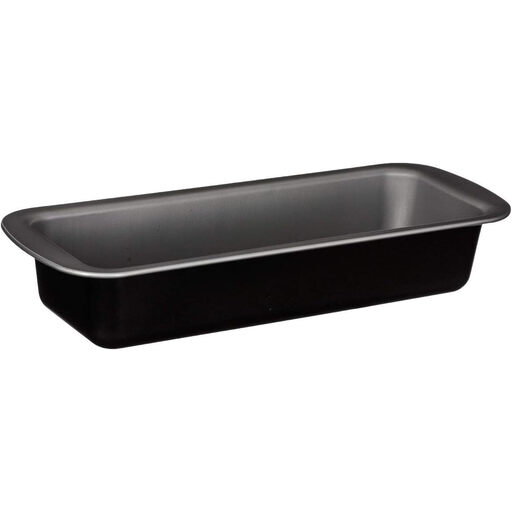
Why This Fits Their Persona: Ideal for those who regularly bake simple pound cakes or breads for the family. This pan focuses on the essentials: a robust construction and a standard size that fits countless recipes.
This pan relies on a solid metal frame rather than exaggerated coating promises. With proper care (hand washing), it provides a durable foundation without the rapid wear and tear of fragile, low-cost coatings.
Robust quality and a classic 30 cm size with a 1.65-litre capacity, suitable for standard recipes. A functional and durable baking essential.
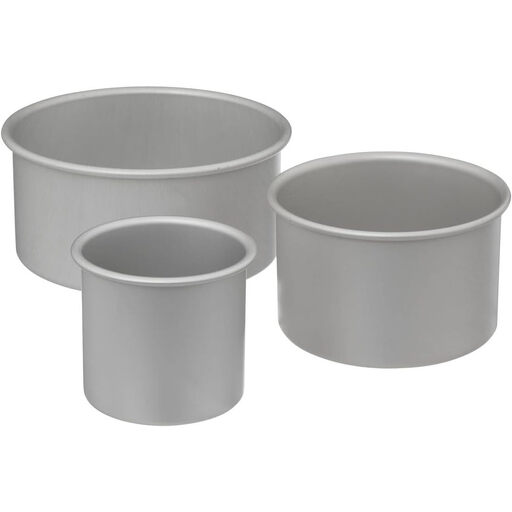
Why This Fits Their Persona: Perfect for bakers who want to create multi-tiered tortes or cakes in various sizes for special occasions. This set offers the necessary flexibility and material quality for demanding projects.
Instead of a single, inflexible pan, this set provides three sizes. The aluminium material bypasses the trap of uneven heat distribution, which leads to burnt edges and a raw centre in lower-quality pans.
The set includes three practical sizes (20, 15, and 10 cm in diameter). The aluminium ensures excellent heat conduction for professional, even baking results.
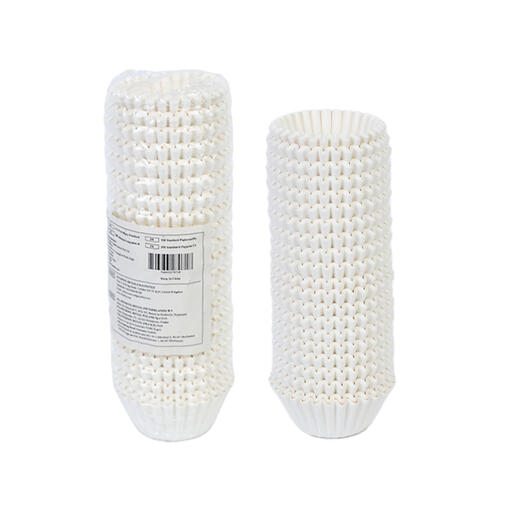
Why This Fits Their Persona: Ideal for parents baking for school events or for small business owners. Anyone producing muffins and cupcakes in large quantities needs an efficient, hygienic, and cost-effective solution.
These muffin cups bypass the cleaning effort and wear of solid muffin tins. The grease-resistant paper prevents the batter from sticking, a common issue with reusable pans that aren't meticulously greased.
Bulk pack of 500 pieces offers excellent value for money. The standard-sized paper (7.5 x 3.5 cm) is grease-resistant, ensuring easy release and a clean presentation.
We have compiled a complete, up-to-date list of products that meet these strict selection criteria and applicable standards.
It is recommended to clean the pan by hand with warm water, a mild dish soap, and a soft cloth or sponge. Avoid steel wool, abrasive scouring pads, and harsh detergents, as these can permanently damage the coating. Allow the pan to cool completely before cleaning.
Lightly greasing or spraying with baking spray is advisable for the first use. For subsequent uses, this is often no longer necessary. However, to guarantee an absolutely effortless release, especially with very detailed shapes, a thin layer of grease won't hurt.
For very liquid batters, such as for a cheesecake, it can help to wrap the bottom and lower edge of the closed pan tightly with aluminium foil from the outside. This will catch any minor leaks. Also, check that the ring is seated correctly and firmly on the base. If the pan is old or bent, the locking mechanism may have lost its tension, and a replacement might be necessary.