
Lieferung heute & morgen

Qualitätsgarantie

Willkommens-Angebote freischalten: KOSTENLOSE Lieferung | Bis zu 80 % RABATT | Kostenlose 30-Tage-JoyPlus-Testphase
App herunterladen
By Joybuy Product Recommendation Officer, August 28, 2026
A failed cake or a loaf of bread that sticks to the pan can be frustrating. Often, the problem isn't the recipe, but the baking pan itself. The market is flooded with products that make big promises but disappoint in practice. Before you buy another pan that becomes useless after a short time, you should know the typical weaknesses often hidden behind glossy marketing.
Many home bakers invest in accessories that quickly turn out to be a bad buy. Pay attention to these three critical points to avoid disappointment:
To avoid these pitfalls, it's crucial to look at the fundamental properties of a baking pan. It's not the brand name, but the material, coating, and construction that determine success or failure in the kitchen.
The material significantly influences a pan's heat distribution, stability, and durability.
Not every pan is suitable for every recipe. Choosing the right type is crucial for success:
We have selected products based on objective features that meet typical user needs.
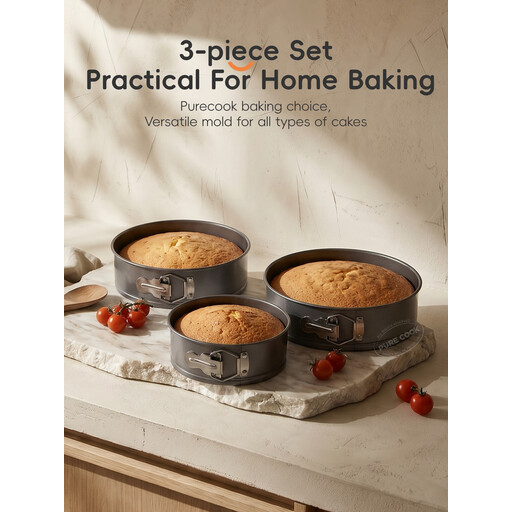
Why This Fits Their Persona: This baking pan set offers three common springform sizes, covering most standard recipes. The buckle mechanism makes removal easy and minimises the risk of delicate cakes like cheesecakes breaking—a common problem for beginners.
The pans are made of carbon steel, which is less prone to warping than thin metal sheets when used correctly. The buckles are designed to prevent batter from leaking when handled properly.
Set of three sizes (18, 20, 24 cm) for maximum flexibility. The buckle closure allows for easy and clean removal of cakes.

Why This Fits Their Persona: Ideal for ambitious home bakers who regularly bake bread, especially sourdough. The robust construction and high-quality materials are designed for durability and consistent baking results.
Instead of a simple, short-lived coating, this pan features an enamelled, cut-resistant base. This prevents the scratches and wear that quickly occur on cheaper pans and is also resistant to sourdough acids.
Enamelled, cut- and acid-resistant base. Heat resistant up to 250°C for a perfect crust. The steel construction ensures even browning.
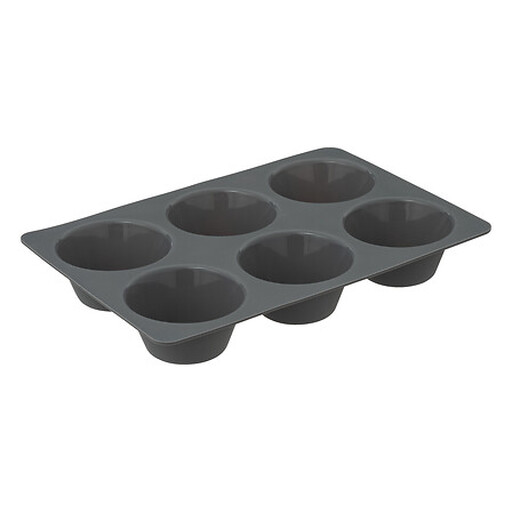
Why This Fits Their Persona: Perfect for parents baking with kids, or for anyone who wants to make muffins and cupcakes quickly and easily. The material's flexibility makes removal effortless and cleanup is simple, even without paper liners.
Unlike rigid metal pans that can be hard to clean, the flexible silicone allows you to simply "pop out" the baked goods. There are no hard-to-reach corners where batter residue can get stuck.
Extremely flexible, food-grade silicone for effortless release. The pan is dishwasher-safe and can be stored compactly.
We have compiled a complete, up-to-date list of products that fully meet these strict selection criteria and German safety regulations.
1. How do you properly clean non-stick baking pans to extend their lifespan? Clean the pan by hand with warm water, mild dish soap, and a soft sponge or cloth. Avoid abrasive scouring pads, steel wool, and harsh cleaning agents, as they can damage the coating. Even if some pans are labelled as dishwasher-safe, hand washing can significantly extend the life of the non-stick surface.
2. Can you place silicone baking pans directly on the oven rack? Due to their flexibility, silicone pans should not be placed directly on the oven rack. Place the pan on a sturdy baking sheet before filling it. This not only makes it easier to transport into and out of the oven but also ensures a stable, level base for an even bake.
3. What does "sourdough-resistant" mean for a bread pan? Sourdough is naturally acidic. This acid can attack and damage low-quality metal and non-stick coatings over time. A bread pan labelled as "sourdough-resistant," often featuring an enamel coating, is impervious to this acid. The material does not react with the dough, which both ensures the longevity of the pan and does not affect the taste of the bread.