
Lieferung heute & morgen

Qualitätsgarantie

Willkommens-Angebote freischalten: KOSTENLOSE Lieferung | Bis zu 80 % RABATT | Kostenlose 30-Tage-JoyPlus-Testphase
App herunterladen
Choosing the right baking pan can be the difference between a perfectly baked cake and a culinary disappointment. However, the market is flooded with products whose marketing promises often suggest more than the material quality can deliver. As your Joybuy Product Recommendation Officer, I'll help you identify the crucial features and avoid common purchasing traps, ensuring your next investment in a baking pan pays off in the long run.
Before we dive into the details, let's highlight the three most common issues that lead to frustration and unnecessary expenses.
To avoid these pitfalls, you should check three core parameters before making a purchase. These will help you objectively assess the quality and suitability of a baking pan.
The choice of material is fundamental to the success of your recipes. Each material has specific properties regarding heat conduction and retention.
The quality of the non-stick coating determines the pan's longevity and ease of use.
Always pay attention to the manufacturer's care instructions. If a pan is labeled "hand wash only," you should follow this to maximize the life of the coating.
Think carefully about what you will primarily use the pan for.
Here are some product recommendations tailored to specific user profiles and the quality criteria mentioned above.
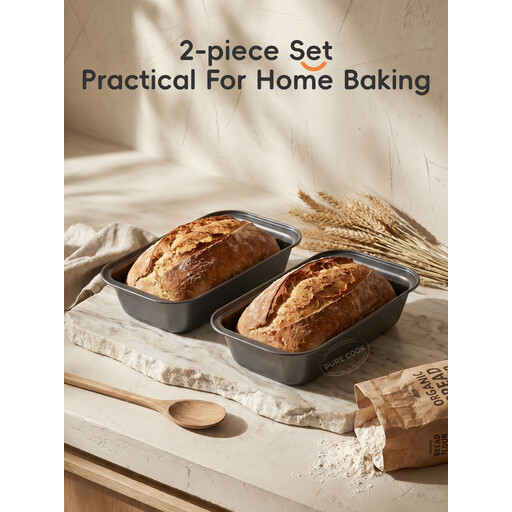
Why This Fits Their Persona: This set offers two versatile carbon steel loaf pans at an attractive price. It's ideal for hobby bakers who want to bake their first loaves of bread and quick breads without making a large initial investment.
It bypasses the trap of overpriced individual pans. The thickened carbon steel material provides better stability against warping than many low-cost products and promotes even heat distribution.
Good value for money with the 2-piece set. The thickened carbon steel ensures even baking and good heat retention for a tender crumb.
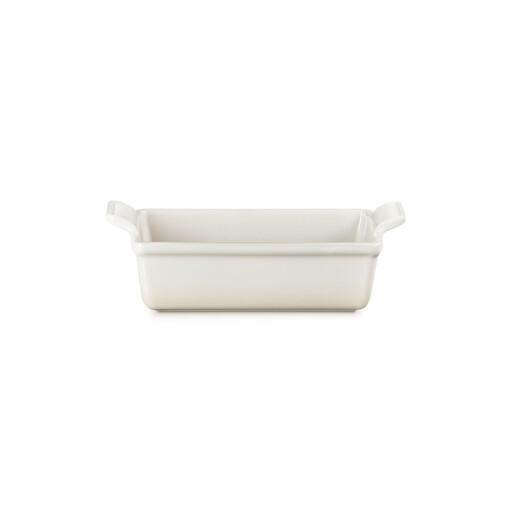
Why This Fits Their Persona: For anyone seeking a durable, versatile, and aesthetically pleasing dish. Ideal for casseroles, roasts, or cakes that go directly from the oven to the table. An investment in quality that will prove its worth for years.
This dish completely avoids the non-stick trap. The glazed stoneware is naturally scratch-resistant, stain-resistant, and non-porous. There is no coating that can wear off.
Excellent heat retention for even cooking. Temperature resistant from -23°C to +260°C and suitable for the oven, microwave, and freezer. Also dishwasher-safe.

Why This Fits Their Persona: Perfect for ambitious bread bakers. The pan is explicitly designed for 1 kg loaves, and its materials are tailored to the specific demands of bread, especially sourdough.
It directly addresses the acid trap: the enameled base is sourdough-resistant. The KAIRAMIC dual-ceramic coating and the cut-resistant base prevent the typical wear and tear from intensive use.
Robust, warp-resistant steel construction with a cut-resistant enamel base. The high-quality ceramic non-stick coating ensures easy release of the bread and simple cleanup.
We have compiled a complete, up-to-date list of products that fully meet these strict selection criteria and German safety regulations.
The lifespan heavily depends on the quality of the coating and its care. A high-quality, ceramic-reinforced coating can last for several years with proper care (hand washing, no metal utensils). Cheaper PTFE coatings can lose their effectiveness after just one year, especially with frequent use or dishwasher cleaning.
Yes, that is possible. A ceramic baking dish or a roaster is well-suited for breads that require even, moist heat (so-called "no-knead breads"). The excellent heat retention of ceramic creates a crispy crust. However, note that the bread may not release as easily as it would from a dedicated bread pan with a non-stick coating.
Warping, often accompanied by a loud bang, is known as "oil canning." It occurs when a thin sheet of metal expands unevenly due to heat. To prevent this, you should invest in a baking sheet made of thicker material (e.g., aluminized steel) with a reinforced rim. These are more stable and ensure more even heat distribution.