
Lieferung heute & morgen

Qualitätsgarantie

Willkommens-Angebote freischalten: KOSTENLOSE Lieferung | Bis zu 80 % RABATT | Kostenlose 30-Tage-JoyPlus-Testphase
App herunterladen
Choosing a new baking pan can be more complicated than it first appears. The market is flooded with options, but not every pan lives up to its promise. Many home bakers invest in products that prove to be unusable after only a short time. This guide will help you identify the crucial quality features and avoid making a poor purchase.
Before you decide on a model, it's important to know the typical weaknesses that often only become apparent after your purchase.
To avoid the problems mentioned above, you should check three key aspects before buying: material, coating, and pan type.
The material is the primary factor determining a baking pan's heat conduction, stability, and lifespan.
A high-quality non-stick coating not only makes it easier to release your baked goods but also simplifies cleaning. Look for pans with ceramic-reinforced or multi-layer coatings. These are generally more abrasion-resistant and durable than simple, thin PTFE layers. Regardless of the coating's quality, you should avoid using metal utensils in the pan to prevent scratches.
From a simple batter cake to a multi-layered torte, there's a suitable pan for every project.
Here are some recommendations tailored to the diverse needs of home bakers.

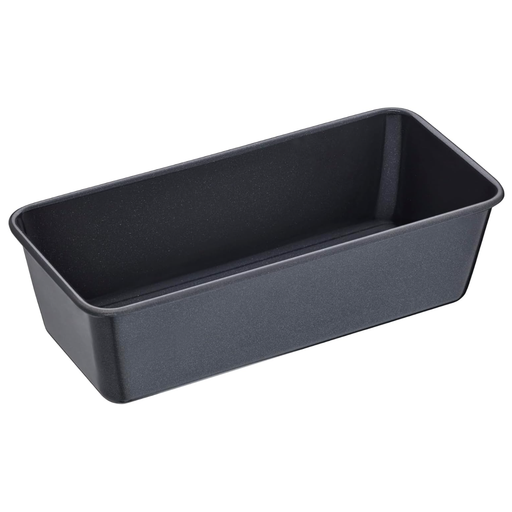
Why this model is a good fit: This loaf pan is a versatile entry-level model for simple batter cakes or your first homemade bread. The included lid allows you to bake a classic Pullman loaf with a flat top, which increases its functionality.
Its solid construction is warp-resistant, and the non-stick coating ensures easy release of baked goods, counteracting the problems of sticking and flaking found in low-cost products.
The combination of a loaf pan and a lid makes it a flexible option for both bread and cake. The golden colour ensures good heat conduction and an attractive appearance.

Why this model is a good fit: For anyone who bakes regularly and values durability, especially for sourdough bread. This pan is designed for intensive use and demanding recipes.
It is explicitly designated as sourdough-resistant, which prevents material corrosion from acid. The heavy, robust quality prevents warping, and the KAIRAMIC ceramic coating is exceptionally durable.
The cut-resistant, enamelled base allows you to slice directly in the pan. The high-quality craftsmanship and a 10-year warranty on the coating (according to the manufacturer) underscore its longevity.
Why this model is a good fit: This springform pan is ideal for making multi-layered tortes, cheesecakes, and other delicate baked goods where a clean release without inverting is crucial.
The latching lever creates a leak-proof seal, so even thin batters won't escape—a common flaw in inexpensive springform pans. The high-quality ceramic coating ensures that the delicate edge of the cake doesn't break when the pan is opened.
The combination of a leak-proof design, a scratch-resistant enamel base, and robust overall quality makes it a reliable tool for sophisticated pastry work.
We have compiled a complete, up-to-date list of products that fully meet these strict selection criteria and German safety regulations.
To maximise the life of the coating, the pan should be washed by hand with warm water, a mild dish soap, and a soft sponge. Avoid abrasive scouring pads or harsh cleaning agents. Even if some pans are labelled as dishwasher-safe, hand washing is gentler on the material in the long run.
Yes, for many applications, a silicone baking pan is an excellent choice. Its strengths lie in its flexibility, outstanding non-stick properties, and easy storage. For breads or cakes that need to develop a firm crust, a metal pan may be more advantageous due to its superior heat conduction and retention. For batter cakes, muffins, or frozen desserts, silicone is often ideal.
A bread pan labelled as sourdough-resistant is made from a material that does not react with the natural acid in sourdough. These are typically pans with an enamel coating or those made of cast iron. Standard steel pans without a special protective layer can be attacked by the acid, leading to corrosion on the pan and a metallic aftertaste in the bread.