
Lieferung heute & morgen

Qualitätsgarantie

Willkommens-Angebote freischalten: KOSTENLOSE Lieferung | Bis zu 80 % RABATT | Kostenlose 30-Tage-JoyPlus-Testphase
App herunterladen
Choosing a new baking pan can be a challenge, given the sheer variety of materials, shapes, and sizes available. Whether it's for a weekend cake, home-baked bread, or delicate pastries, the right pan is crucial for success. However, well-intentioned marketing promises often lead to disappointment in the home oven. This guide will help you identify essential quality features and avoid making the wrong purchase.
As your Joybuy Product Recommendation Officer, I filter the relevant information for you, so you can make an informed decision based on facts, not advertising hype.
Before we dive into the details, let's look at three common problems that can arise from a poor choice and lead to frustration:
To avoid these problems, you should check three core aspects before buying. These objective criteria will help you evaluate the durability and functionality of a cake pan.
The material is the primary factor in how evenly your baked goods cook and brown.
A high-quality non-stick coating is the key to stress-free baking. Pay attention to the type of coating and the manufacturer's care instructions.
The craftsmanship of a baking pan says a lot about its quality.
Here are some recommendations tailored to different needs and baking projects.
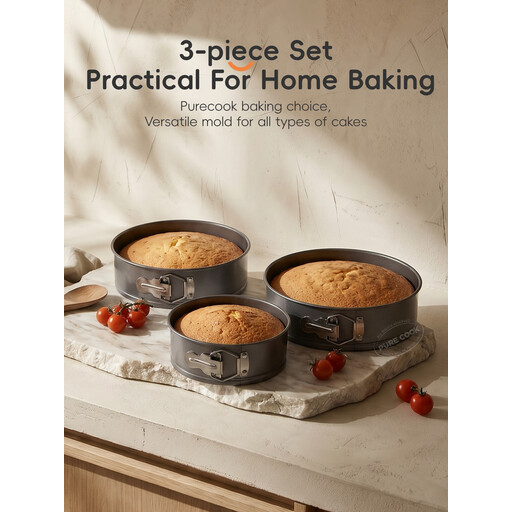
Why This Fits Their Persona: With three common sizes (18, 20, 24 cm), this baking pan set provides a flexible starter kit for beginners who want to try different cake sizes without having to invest in multiple individual pans right away.
The adjustable metal clasp ensures a tight seal and minimises the risk of leakage—a direct solution to the problem of leaky springform pans.
Versatility with three sizes in one set. The quick-release latch allows for easy, damage-free removal of the cake.
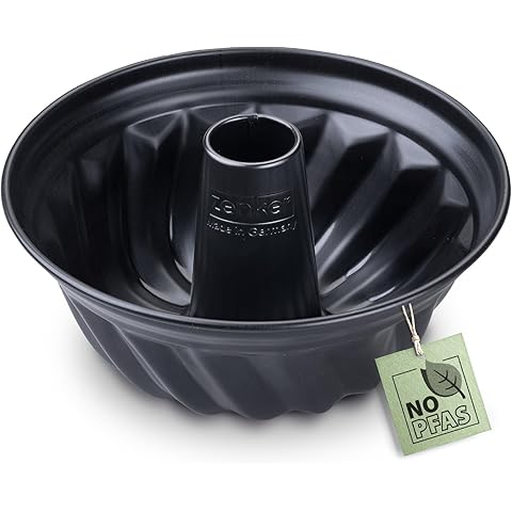
Why This Fits Their Persona: For baking enthusiasts who value durability, even baking results, and easy handling. This Bundt pan is designed for frequent use and delivers consistent results.
The double ceramic non-stick coating (KAIRAMIC) and cut-resistant enamel base are a direct answer to short-lived coatings. The thick steel material reliably prevents warping.
Very robust, long-lasting coating and a cut-resistant base. The manufacturer offers a 10-year warranty on the non-stick coating, which underscores their confidence in the product's quality.
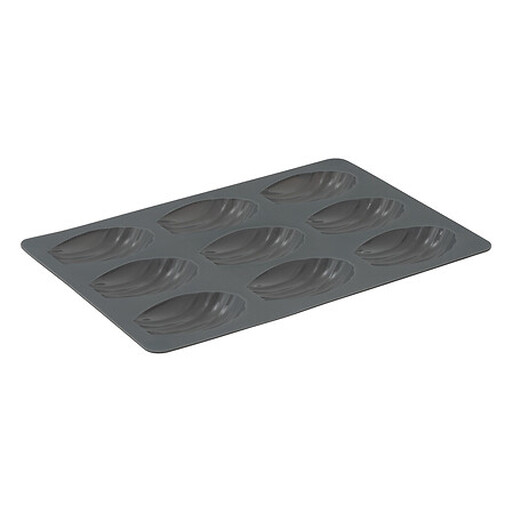
Why This Fits Their Persona: Ideal for bakers who focus on specific, delicate pastries. This mold allows for the creation of authentic madeleines with their characteristic shell shape and signature "hump."
The natural non-stick properties and high flexibility of silicone prevent the delicate pastries from sticking or breaking—a common problem with rigid metal pans.
Precisely shaped cavities for an authentic result. The flexible material allows for effortless demolding of the finished madeleines. The mold is also dishwasher-safe and stores compactly.
We have compiled a complete, up-to-date list of products that fully meet these strict selection criteria and safety regulations.
The longevity of a non-stick coating heavily depends on proper care. After the pan has cooled, clean it by hand with warm water, mild dish soap, and a soft sponge. Be sure to avoid using steel wool, abrasive sponges, or metal utensils in the pan, as these can permanently damage the coating.
No, the baking results are slightly different. Metal pans conduct heat more directly, which leads to more intense browning and a crispier crust. A silicone baking mold has an insulating effect, resulting in very even cooking but often a lighter surface. For more browning in silicone, you can place the mold on a preheated metal baking sheet.
A springform pan consists of two parts: a base and a flexible ring with a clamping latch. After baking, the latch is released, the ring expands, and it can be easily lifted off. This is ideal for delicate cakes like tortes or cheesecakes that cannot be inverted. A classic cake pan is made from a single piece; the finished cake must be inverted to be removed from the pan.