
Lieferung heute & morgen

Qualitätsgarantie

Willkommens-Angebote freischalten: KOSTENLOSE Lieferung | Bis zu 80 % RABATT | Kostenlose 30-Tage-JoyPlus-Testphase
App herunterladen
A good baking pan is the foundation for every perfect cake, crusty loaf of bread, and savory casserole. But the market is flooded with products that overpromise and underdeliver. The result is often frustration: the cake sticks, the pan warps in the oven, or cleaning becomes a test of patience. As your Joybuy Product Recommendation Officer, I'll help you identify the typical pitfalls and make an informed decision that suits your baking habits.
Before we dive into the features of a good cake pan, let's highlight the problems that often lead to a bad purchase. If you know what to look for, you can avoid them.
To avoid these traps, you should check three central aspects before buying: the material, the coating, and the specific shape for its intended use.
The material significantly influences the heat conduction and durability of your baking pan.
Not every pan is suitable for every recipe. Choosing the right type is crucial for success.
Here are some recommendations tailored to different needs and user profiles.
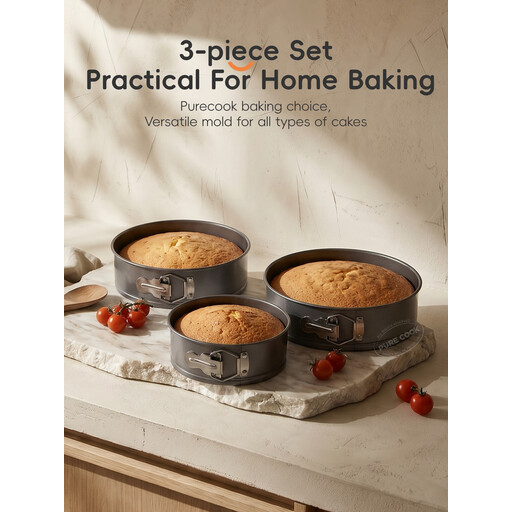
Why This Fits Their Persona: This set of three round springform pans in different sizes (18, 20, 24 cm) is ideal for families who love to bake or for beginners who want to experiment. It covers everything from small birthday cakes to larger cheesecakes.
The carbon steel construction ensures a stable pan that won't warp. The buckle mechanism is designed to seal tightly even with runnier batters, preventing leaks—a common problem with cheap springform pans.
Three popular sizes in one set; the non-stick coating makes releasing the cake and cleaning easier, which is especially helpful for baking novices.
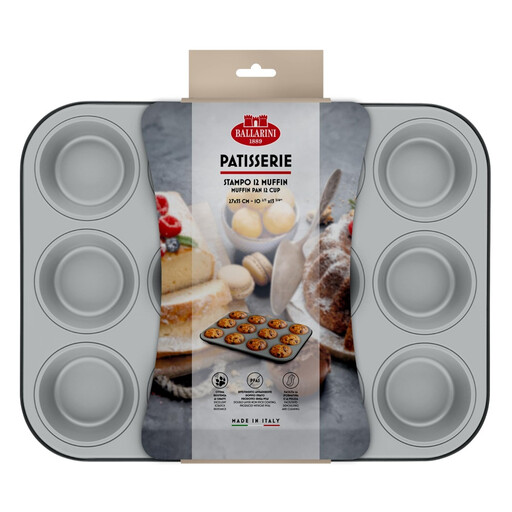
Why This Fits Their Persona: Anyone who enjoys baking muffins or cupcakes will appreciate a pan that delivers even results. This model from Ballarini is designed for home bakers who value quality and specific functionality.
The carbon steel construction prevents warping in the oven. According to the manufacturer, the double-layer non-stick coating is PFAS-free, which is an important quality feature for health-conscious users and avoids the trap of a short-lived, low-quality coating.
Even heat distribution for 12 muffins at once; the durable non-stick coating simplifies removal and hand washing.
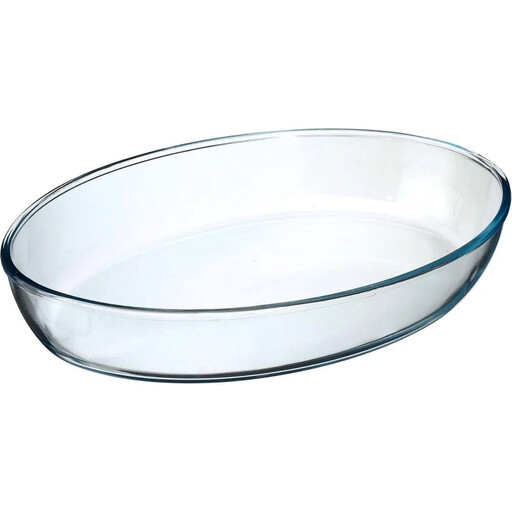
Why This Fits Their Persona: This glass dish is a true all-rounder. It's perfect as a casserole dish for lasagna or gratins, but can just as easily be used for a moist sheet cake or brownies. Ideal for anyone looking for one pan for many purposes.
Glass has no coating that can peel off. It is naturally durable, scratch-resistant, and easy to clean (dishwasher-safe). This completely bypasses the problems of short-lived non-stick coatings and complicated cleaning.
Extremely versatile; according to the manufacturer, it is oven-safe up to 300°C, microwave-safe, and dishwasher-safe. The transparent material allows for constant monitoring of the baking or cooking process.
We've compiled a full, up-to-date list of products that fully meet these strict selection criteria and German safety regulations.
To maximize the lifespan of a non-stick pan, you should avoid using metal utensils (knives, forks) and instead use tools made of wood, silicone, or plastic. Cleaning should be done by hand with a soft sponge and mild dish soap. Even if some manufacturers claim their pans are dishwasher-safe, hand washing preserves the coating in the long run.
The choice depends on your baking project. Carbon steel is an all-rounder with excellent heat conduction for cakes and bread. A glass baking dish is ideal for casseroles and dishes that are served directly from the pan. Silicone baking pans are excellent for detailed, smaller baked goods that need to be released from the pan easily.
With high-quality springform pans that have a tight-sealing latch, this is generally possible. To be completely sure, especially when baking in a water bath (e.g., for cheesecake), it is recommended to line the bottom with parchment paper and wrap the outside of the pan with one or two layers of aluminum foil. This reliably prevents any leakage.