
Lieferung heute & morgen

Qualitätsgarantie

Willkommens-Angebote freischalten: KOSTENLOSE Lieferung | Bis zu 80 % RABATT | Kostenlose 30-Tage-JoyPlus-Testphase
App herunterladen
Choosing the right baking pans can be the difference between a perfectly baked cake and a culinary disappointment. However, the market is flooded with products whose marketing promises often suggest more than their quality can deliver. Before you invest, it's helpful to understand the common flaws that often only become apparent after a few uses.
This guide focuses on the objective criteria that define a reliable baking pan and helps you avoid making the wrong choice.
To prevent these issues, you should check three key aspects before buying: the material, the coating, and the overall construction.
The material is crucial for the final baking result. The most common options are sheet steel and aluminum.
A good non-stick coating makes both baking and cleanup easier. Pay attention to information about durability and composition. Many manufacturers explicitly state if their coatings are free of controversial substances like PFOA. To maximize the coating's lifespan, it is generally recommended to avoid metal utensils and to wash the pan by hand, even if it is labeled as dishwasher-safe.
Solid craftsmanship is essential. For a loaf pan for bread or a layer cake pan for multi-layered creations, it's important that the pan remains stable and does not warp at high temperatures. On a springform pan, the latch should operate smoothly but close securely. Check that the ring sits flush against the base to ensure a leak-proof seal, whether the pan is round or square.
Here are some product suggestions tailored to different needs and baking projects.
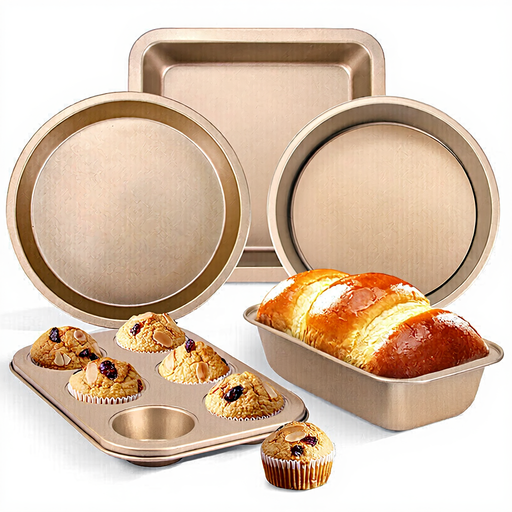
Why this set is a great fit: Ideal for hobby bakers who are just starting out and want to try different types of baking. This baking pan set covers a wide range of projects with pans for pizza, toast, and muffins, eliminating the need for multiple individual purchases.
Provides a foundational set that allows you to focus on baking rather than searching for individual, potentially mismatched pans. The non-stick coating simplifies handling for beginners.
All-in-one versatility for pizza, bread, and muffins in a single package.
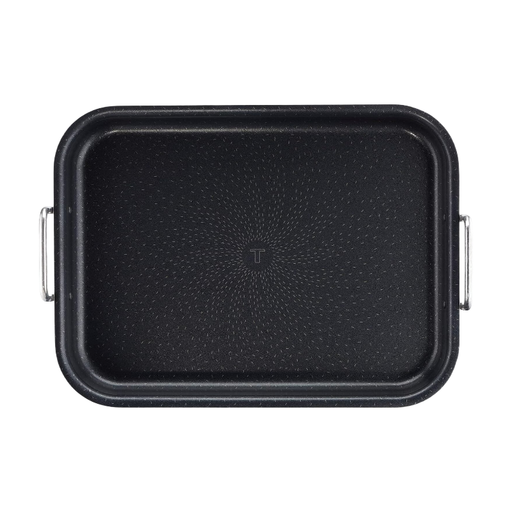
Why this pan is a great fit: For those who bake and cook regularly and need a reliable, large pan for casseroles, lasagna, or sheet cakes. The sturdy handles make it easy to handle.
The recycled aluminum material ensures excellent, even heat distribution, preventing the problem of unevenly cooked food. The ProBaking non-stick coating is designed for durability.
Even heat distribution thanks to aluminum; durable, PFOA-free coating.
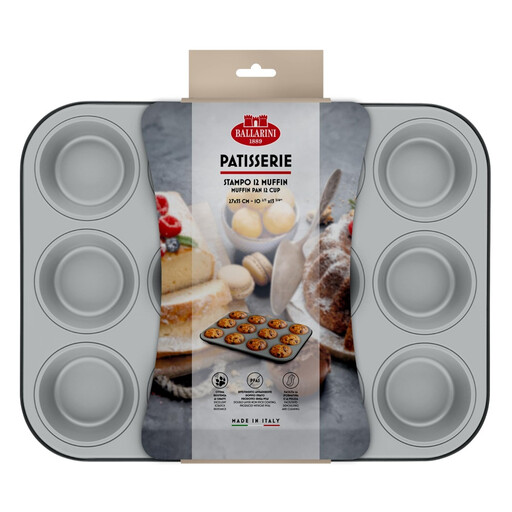
Why this pan is a great fit: This muffin pan is designed for bakers who frequently make muffins or cupcakes and value consistent results. The 12 cups are ideal for standard recipes.
The carbon steel construction ensures a stable shape and even heat distribution across all 12 cups. The PFAS-free coating, as stated by the manufacturer, addresses concerns about material quality.
PFAS-free non-stick coating; even heat conduction for consistent baking results.
We have compiled a comprehensive, up-to-date list of products that fully meet these strict selection criteria and current regulations.
To extend the life of the coating, you should clean the pan with warm, soapy water before its first use. Avoid using metal utensils or abrasive sponges. Although some pans are labeled as dishwasher-safe, hand washing with a soft cloth or sponge is gentler and recommended for long-term durability.
A higher price can indicate higher-quality materials, a more durable coating, or more solid construction, but it's not a guarantee. More important than the price are objective features like material thickness, type of coating, and structural stability. A mid-range pan that meets these criteria can often be an excellent choice.
Yes, a springform pan works well for quiches, tarts, or even thin casseroles. The removable rim makes serving easier without damaging the dish when removing it. However, ensure the latch closes tightly to prevent any liquid filling from leaking. Greasing the pan and lining it with parchment paper can provide extra security.