
Lieferung heute & morgen

Qualitätsgarantie

Willkommens-Angebote freischalten: KOSTENLOSE Lieferung | Bis zu 80 % RABATT | Kostenlose 30-Tage-JoyPlus-Testphase
App herunterladen
The choice of the right baking pans is often more crucial for a cake's success than the recipe itself. But the market is overwhelming and full of products whose quality only becomes apparent after the purchase—and often, when it's too late. A low-quality pan can not only compromise your baking results but also quickly become unusable. This guide will help you recognise the essential quality features and avoid bad buys.
Many home bakers know the disappointment when a cake doesn't turn out as expected. The cause often lies with the baking pan. Pay attention to these three typical weaknesses to make an informed decision:
To avoid the problems mentioned above, you should check three central aspects before buying. These largely determine the functionality and lifespan of your new baking pan.
The material is the foundation for every good baking result. Most high-quality baking pans are made of carbon steel. This material is characterised by excellent heat conduction, which leads to even browning of the cake. Pay attention to the material thickness: heavier pans are generally more stable and durable. Some models, particularly from brands like Kaiser bakeware, feature an enamel-coated base. This is not only extremely durable and scratch-resistant but also allows you to cut the cake directly in the pan.
A good non-stick effect makes releasing the cake and cleaning much easier. However, there are significant differences:
There is a suitable pan for every baking project. The three most common types for home bakers are:
Specialised pans like a perforated pizza pan for a crispy crust can also be a useful addition.
Based on the quality criteria mentioned, we have identified some models that are suitable for different requirement profiles.

Why this model is a great fit: Ideal for anyone looking for a reliable and durable round cake pan for regular use. The 26 cm diameter is a standard size that fits countless recipes.
According to the manufacturer, the construction is leak-proof, preventing batter from dripping. The enamel-coated base is cut-resistant and withstands abrasion, significantly extending the pan's lifespan.
The cut-resistant base allows you to cut and serve directly from the pan, eliminating the need to transfer the cake. Being made in Germany is a hallmark of high-quality materials and craftsmanship.
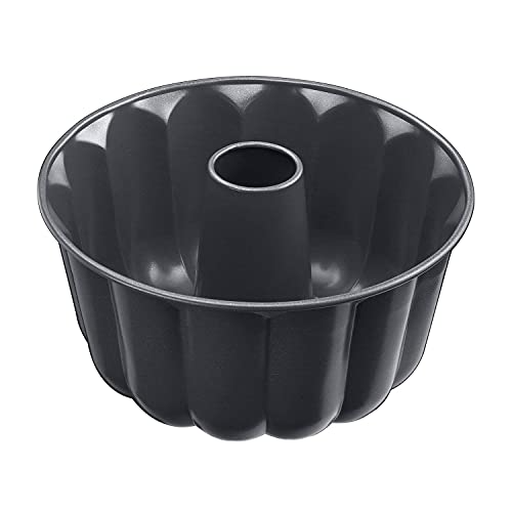
Why this model is a great fit: Perfect for anyone who loves to bake classic cakes like marble or Bundt cakes and values a perfect, even bake.
The heavy-gauge material ensures structural stability even at high temperatures. The ceramic-reinforced KAIRAMIC coating prevents batter from sticking and is exceptionally durable.
The central chimney ensures optimal heat distribution, so the tall cake bakes through evenly without burning on the outside or remaining raw inside. Its 3.6-litre capacity is designed for large, family-sized cakes.
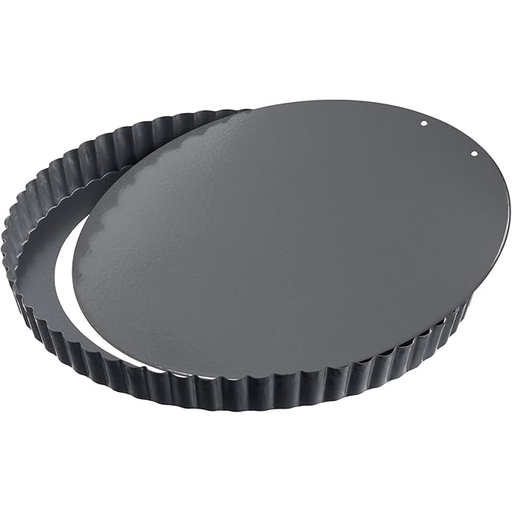
Why this model is a great fit: Indispensable for preparing fruit tarts with shortcrust pastry, Quiche Lorraine, or other flat baked goods that need to be removed from the pan without damage.
The removable bottom solves the problem of releasing fragile pastries. The sturdy steel construction prevents the pan from warping and ensures an evenly baked crust.
The enamel-coated removable bottom is cut- and scratch-resistant. The tarte or quiche can be cut and served directly on the base, which greatly simplifies handling.
We have compiled a complete list of products that meet these strict selection criteria. Whether you're looking for a complete **baking pan set** or a specialty pan, you'll find suitable models here.
1. How do I properly clean a non-stick baking pan to extend its lifespan? After it has cooled, clean the pan by hand with warm water, a mild dish soap, and a soft sponge. Avoid abrasive cleaners, steel wool, or the rough side of scouring pads. Even if some bases are dishwasher-safe, hand washing is gentler on the ring's coating and extends the life of the entire pan.
2. Is a more expensive baking pan from a brand like Kaiser or WMF worth the investment? Higher-priced baking pans often offer tangible advantages that justify the cost. These include thicker material for better heat distribution and structural stability, more durable and robust non-stick coatings, leak-proof closures, and often a longer manufacturer's warranty. For those who bake regularly and value reliable results, the investment can pay off through better baking outcomes and a longer lifespan.
3. What does "cut-resistant base" mean on a springform pan? A cut-resistant base is typically made of steel coated with a glass enamel layer. This surface is extremely hard and scratch-resistant, similar to a cooking pot. You can therefore cut and serve the cake directly on the pan's base without damaging the surface or needing to transfer the cake to a separate plate.