
Lieferung heute & morgen

Qualitätsgarantie

Willkommens-Angebote freischalten: KOSTENLOSE Lieferung | Bis zu 80 % RABATT | Kostenlose 30-Tage-JoyPlus-Testphase
App herunterladen
Choosing the right baking tin can be the difference between a perfectly baked cake and a culinary disappointment. However, the market is flooded with products whose marketing claims often fall short. Many home bakers invest in bakeware that proves to be unusable after only a short time. Before you make a decision, it's crucial to understand the typical pitfalls that lead to frustration and unnecessary expense.
This guide focuses on the objective criteria that define a durable and functional baking tin. We will highlight three of the most common flaws found in low-quality products and show you what to look for to make an informed choice.
To avoid the problems mentioned above, you should focus your attention on two core aspects: the material and the specific construction of the tin. These parameters determine its durability, baking performance, and handling.
The material of your baking tin has a direct impact on heat conduction and retention.
The shape depends on the intended use.
Based on these objective criteria, we have identified several products that are suitable for different user profiles and requirements.
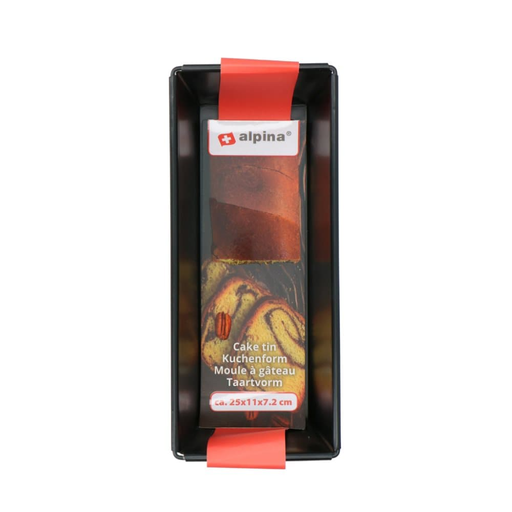
Why it's a great fit: Ideal for anyone seeking functional, basic equipment for occasional baking of loaf or pound cakes without a large investment. A solid choice for your first baking adventures.
The steel construction provides better heat conduction than very cheap sheet metal tins, reducing the risk of uneven browning. To ensure the longevity of the non-stick coating, hand washing is recommended, which counteracts premature peeling.
Offers solid, fundamental functionality for classic cake recipes. The steel construction ensures reliable heat distribution for consistent baking results.
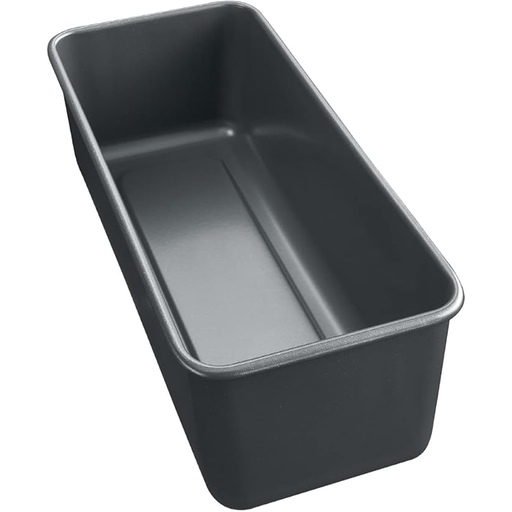
Why it's a great fit: For those who regularly bake challenging breads, especially with sourdough. Its durability and special features justify the higher investment for frequent bakers.
The cut-resistant enamel base prevents scratches and peeling of the coating. Its explicit sourdough resistance protects the material from acid, which can cause corrosion on simpler coatings. The thick steel construction prevents the tin from warping.
The combination of a cut-resistant enamel base and an acid-resistant coating makes this pan extremely durable and versatile, especially for baking bread.
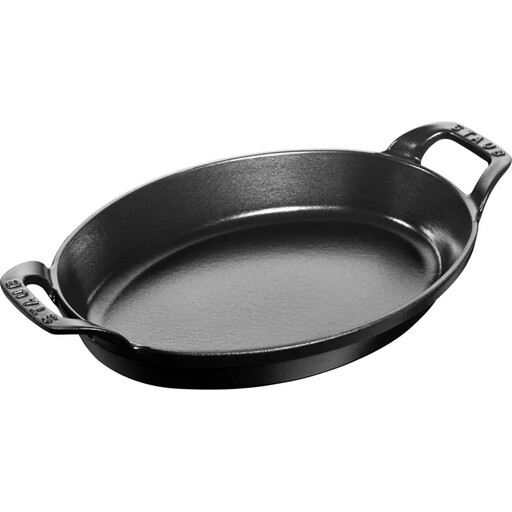
Why it's a great fit: Perfect for cooks who want a versatile oven dish that retains heat optimally and is also stylish enough for serving directly at the table. Ideal for gratins, lasagne, and braised dishes.
The solid cast iron prevents any warping from heat. It provides unmatched even heat distribution and retention, eliminating the risk of unevenly cooked food. The enamel coating prevents sticking and simplifies cleaning.
Excellent heat retention and distribution thanks to enamelled cast iron. The dish is extremely robust, durable, and can go directly from the oven to the table.
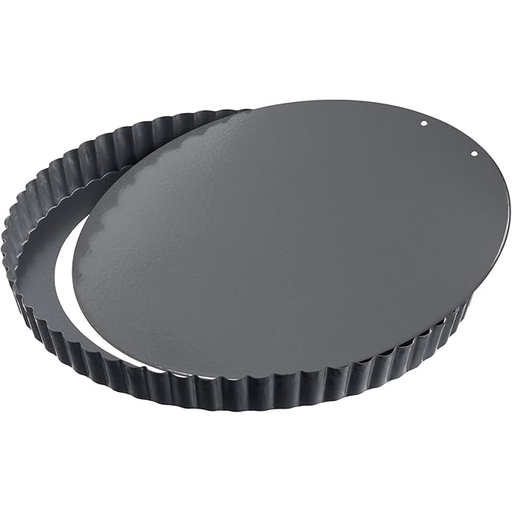
Why it's a great fit: For bakers who specialise in preparing delicate tarts and quiches and value a flawless presentation. The easy removal of the final product is the deciding factor here.
The removable base solves the problem of unmoulding delicate shortcrust pastry. Furthermore, the cut-resistant enamel base prevents the coating from being scratched during serving, ensuring the pan's longevity.
Enables damage-free removal and serving of tarts and quiches thanks to the removable, cut-resistant base.
We have compiled a complete, up-to-date list of products that fully meet these strict selection criteria and German safety regulations.
The longevity of a non-stick tin heavily depends on its care. Avoid cleaning it in the dishwasher, even if the manufacturer permits it; harsh detergents can damage the coating. Hand washing with a soft sponge and mild washing-up liquid is the gentlest method. Never use metallic or sharp-edged utensils in the tin. Silicone, wood, or plastic utensils are the right choice.
You should not cut in most baking tins, as this will irreparably damage the non-stick coating. An exception is models with a specially designated cut-resistant base, which is usually made of enamel. In these tins, you can portion the cake directly after baking. Always read the manufacturer's instructions on this matter.
The main difference lies in heat conductivity and retention. A baking tin made of steel heats up quickly and also cools down quickly. It is lightweight and ideal for cakes that require even but not overly intense bottom heat. Cast iron, on the other hand, heats up slowly but retains heat for an extremely long time and distributes it very evenly. This makes it ideal for braises, gratins, and rustic breads that need strong, continuous heat for a perfect crust.