
Lieferung heute & morgen

Qualitätsgarantie

Willkommens-Angebote freischalten: KOSTENLOSE Lieferung | Bis zu 80 % RABATT | Kostenlose 30-Tage-JoyPlus-Testphase
App herunterladen
The aroma of freshly baked bread or cake is unparalleled. But that joy can quickly turn to disappointment when your creation sticks to the pan or bakes unevenly. An unsuitable baking tin is often the culprit, leading to frustration in the kitchen. Many products overpromise and underdeliver, using marketing buzzwords that mean little in practice.
As your Joybuy Product Recommendation Officer, I'm here to help you spot these pitfalls. We'll focus on the objective features that define a durable and functional baking tin, ensuring your baking projects turn out perfectly every time.
Before you buy a new cake tin or bread tin, you should be aware of two common problems that often only appear after a few uses:
Making an informed choice based on material and construction will protect you from these costly and frustrating experiences.
To find the right baking tin for your needs, don't be swayed by advertising claims. Instead, focus on verifiable product characteristics. Three factors are crucial here.
The material is the primary factor determining a pan's baking performance and durability.
Not every pan is suitable for every recipe. The three most common types have specific uses:
Look for solid construction. A wide, sturdy rim makes it easier to safely grip the hot pan with oven gloves. For a springform pan, a smooth yet secure clasp is crucial to prevent batter from leaking. With loaf pans from brands like Kaiser, the bases are often enamelled, making them cut- and scratch-resistant—so you can slice the cake directly in the pan.
Here are some recommendations tailored to different needs and baking habits.
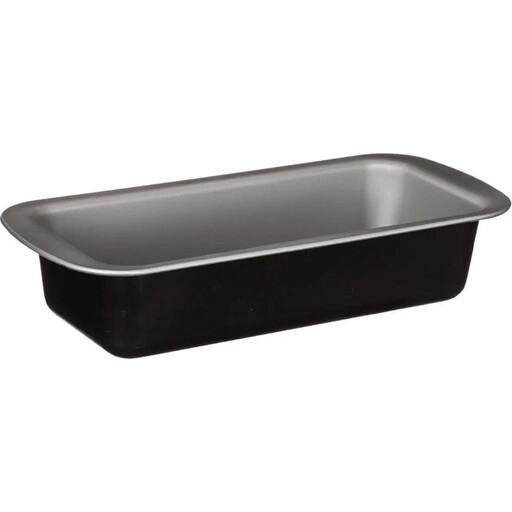
Why This Fits Their Persona: Ideal for first baking attempts or occasional baking of simple loaf cakes and breads without a large investment. A functional starter piece.
Although inexpensive, the pan offers a solid metal construction that retains its shape and won't warp immediately with proper handling and care (hand washing).
Classic loaf pan size (25 cm) for a variety of standard recipes. Good value for money for beginners.

Why This Fits Their Persona: Perfect for home bakers who regularly bake bread and need a durable, reliable pan that can handle demanding sourdoughs.
The glass-hard enamelled base is explicitly sourdough-resistant and cut-resistant. This prevents the coating from peeling due to acidity and mechanical stress.
Excellent dimensional stability due to thick-gauge steel and a high-quality KAIRAMIC non-stick coating on the rim for easy release. Suitable for loaves up to 1 kg.

Why This Fits Their Persona: For anyone who regularly bakes delicate cakes, tortes, or cheesecakes and relies on a leak-proof base and easy release.
The construction is designed to be leak-proof, which is crucial for runny batters. The cut-resistant enamel base prevents scratches and coating damage when serving.
Excellent dimensional stability and heat conduction for even baking results. The robust locking mechanism ensures a long service life.
We've curated a comprehensive selection of products that meet our criteria for quality, durability, and functionality.
1. How do you properly clean a non-stick baking tin? To maximise the life of the coating, you should wash the pan by hand with a soft sponge and mild washing-up liquid. Avoid abrasive scouring pads and harsh cleaning agents. Most manufacturers advise against cleaning in the dishwasher, as the salts and high temperatures can damage the coating.
2. Why does my baking tin warp in the oven? Warping occurs when the metal of the baking tin is too thin to withstand the thermal stress at high temperatures. Rapid heating or cooling (e.g., quenching with cold water) can intensify this effect. When buying, look for a thicker material and a more substantial weight.
3. Can I bake sourdough bread in any loaf pan? Theoretically, yes, but it's not recommended. The acid in sourdough can attack and damage simple, dark non-stick coatings (often PTFE-based) over time. For regular sourdough baking, a bread tin with an enamelled surface or a special ceramic coating is the much safer and more durable choice.