
Lieferung heute & morgen

Qualitätsgarantie

Willkommens-Angebote freischalten: KOSTENLOSE Lieferung | Bis zu 80 % RABATT | Kostenlose 30-Tage-JoyPlus-Testphase
App herunterladen
A good baking tin is the foundation for countless successful cakes, breads, and tarts. But the market is filled with products whose marketing promises often fall short in practice. A glossy appearance on the shelf is no guarantee of durability or functional superiority. Before you make a decision, it's crucial to understand the typical pitfalls that often lead to disappointment and unnecessary expense.
This guide focuses on the objective criteria that separate a functional baking tin from a flawed one. We'll highlight three common defects that can quickly sour the joy of baking:
To avoid these problems, you should focus your attention on two core parameters: the material and the specific design of the tin. These are the primary factors that determine heat conduction, durability, and handling.
The material is crucial for heat distribution and the robustness of your baking tin.
Every baking tin is optimized for a specific purpose. The choice between a round baking tin and a rectangular baking tin is just the beginning.
Based on these objective criteria, we have identified some products that represent a suitable solution for specific requirement profiles.
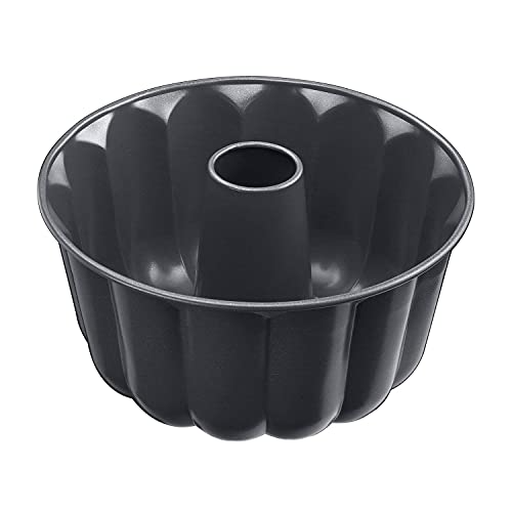
Why This Fits Their Persona: For bakers who value durability and precise results. This pan is designed for regular use and, thanks to its material properties, delivers consistent outcomes for demanding recipes.
The thick steel material prevents warping under heat. The dual ceramic non-stick coating and the cut-resistant enamel base counteract the problems of a short-lived coating and a lack of robustness.
Excellent structural integrity and an extremely durable, cut-resistant base. The KAIRAMIC coating ensures easy cake release. According to the manufacturer, it comes with a 10-year warranty on the coating.
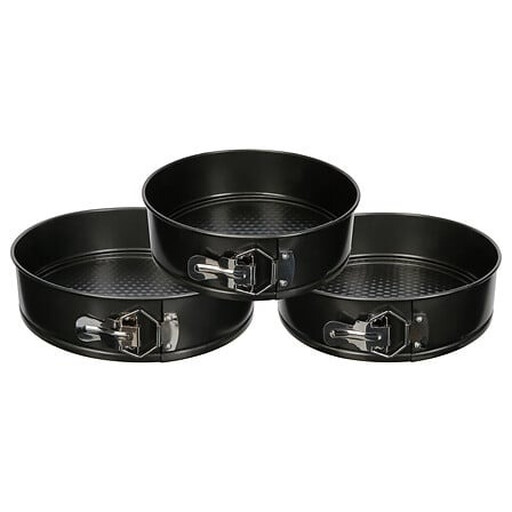
Why This Fits Their Persona: This set offers a flexible and cost-effective starter kit for anyone beginning to bake cakes or looking to replace an old collection. It covers the most common cake sizes.
It solves the "one-size-fits-all" problem by providing three different diameters (22, 24.5, and 26 cm). This ensures you always have the right size on hand for different recipe quantities and occasions.
High versatility thanks to three graduated sizes. The pans are stackable for space-saving storage. The hinge mechanism makes it easy to release the cakes.
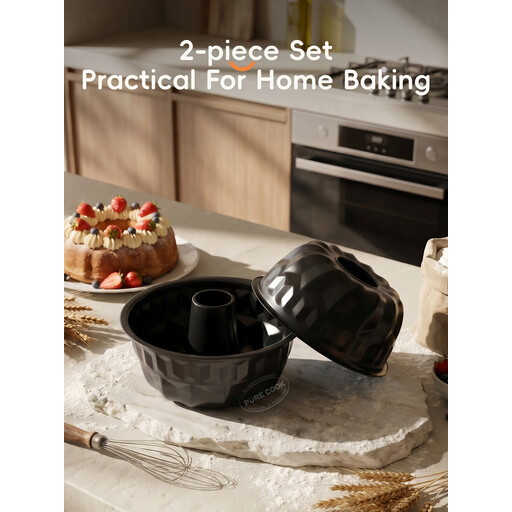
Why This Fits Their Persona: Ideal for bakers who enjoy creating seasonal or themed baked goods. This pan allows you to make a visually appealing cake without complex decoration—perfect for autumn festivals or Halloween.
This is a highly specialized pan that bypasses the "one-size-fits-all" problem. It is optimized for a specific purpose: creating a decorative cake. The non-stick coating is designed for batters rich in sugar and oil.
Creates a detailed pumpkin shape directly during baking. The carbon steel construction ensures even heat distribution, which helps prevent cracks in the cake and allows for easy release after cooling.
We have compiled a complete, up-to-date list of products that fully meet these strict selection criteria and relevant safety standards.
1. How do you properly clean a non-stick baking tin to extend its lifespan? The longevity of a non-stick coating heavily depends on its care. Clean the tin by hand with a soft sponge and mild dish soap. Absolutely avoid abrasive cleaners, steel wool, or metal kitchen utensils. Most manufacturers advise against cleaning in the dishwasher, as the harsh detergents and high temperatures can damage the coating. Dry the tin thoroughly after cleaning.
2. Do you need to grease a silicone baking mould? For the first few uses, light greasing or spraying with baking spray can be helpful to ensure a perfect release. High-quality silicone develops a natural non-stick patina over time, so it can often be omitted later. However, for very sticky or sugar-rich batters, a thin layer of grease remains a sensible precaution. Important: Always place the flexible silicone mould on a solid baking sheet before filling it with batter.
3. What does "sourdough-safe" mean for a baking tin? Sourdough is naturally acidic (low pH value). This acidity can attack and corrode unprotected metal surfaces and simple non-stick coatings over time. A loaf pan declared as sourdough-safe has a special, resistant surface—usually made of enamel or a high-quality ceramic coating. This not only prevents damage to the pan but also stops a metallic taste from transferring to the bread. For ambitious bread bakers, this is a key quality feature.