
Lieferung heute & morgen

Qualitätsgarantie

Willkommens-Angebote freischalten: KOSTENLOSE Lieferung | Bis zu 80 % RABATT | Kostenlose 30-Tage-JoyPlus-Testphase
App herunterladen
The right baking tin is the foundation for every successful cake, every crusty loaf of bread, and every batch of perfect muffins. Yet the market is flooded with products whose marketing promises often suggest more than the material quality can deliver. Many home bakers invest in tins that warp after a short time, have coatings that peel off, or were unsuitable for the intended baking project from the start. As your Joybuy Product Recommendation Officer, I'll help you recognise these pitfalls and make an informed decision.
Before we turn to the ideal features, it's important to know the most common problems that lead to frustration in the kitchen.
To avoid a bad purchase, you should focus on two fundamental, objective criteria: the material and the construction.
The choice of material has a direct impact on the heat conduction and longevity of your baking tin.
In addition to the material, the craftsmanship determines the practicality of the tin.
Based on these objective criteria, we have identified several products that offer a suitable solution for specific requirement profiles.
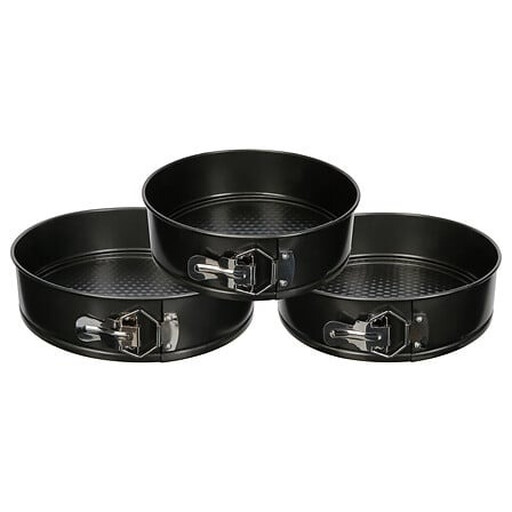
Why This Fits Their Persona: This set provides a basic kit with three common diameters (22, 24.5, and 26 cm), making it ideal for those starting out with baking who want to try different cake sizes without immediately investing in multiple individual pans.
The steel construction offers more solid structural stability than the thinnest sheet metal pans, thus avoiding the trap of poor stability. The locking mechanism is designed for standard applications.
Versatility: Three different sizes in one package. Space-Saving: The pans are stackable and easy to store.
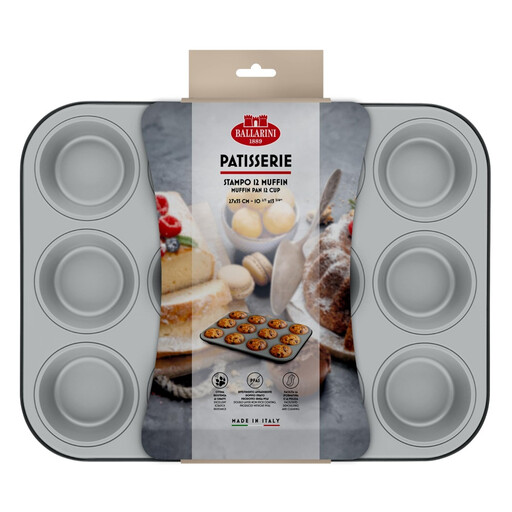
Why This Fits Their Persona: For frequent bakers who value durability and performance. The Ballarini brand is known for its cookware, and this muffin pan is designed for regular use where even browning and easy cleaning are paramount.
Directly addresses the trap of short-lived coatings with a PFAS-free, two-layer non-stick coating. The carbon steel construction provides the necessary stability and prevents warping.
Even Heat Distribution: The carbon steel ensures uniformly baked muffins. Specified Coating: The "PFAS-free" label offers transparency for health-conscious users.
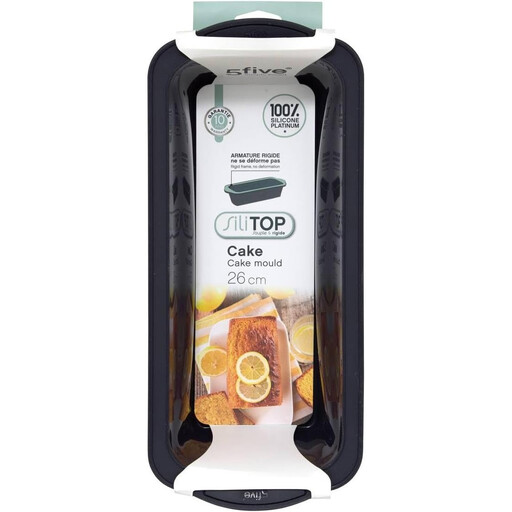
Why This Fits Their Persona: Perfect for bakers looking for a hassle-free solution for everyday use, whether for a quick bread or a simple pound cake. The focus is on easy handling, effortless cleaning, and versatility.
Solves the problem of poor stability in pure silicone moulds by using an integrated steel frame. This ensures the mould remains stable even when filled and can be safely placed in the oven.
Hybrid Design: Combines the non-stick properties and flexibility of silicone with the stability of steel. Easy Care: The mould is dishwasher, microwave, and freezer safe.
We have compiled a complete, up-to-date list of products that fully meet these strict selection criteria and local regulations.
1. How do I properly care for a non-stick baking tin to extend its lifespan? Always avoid contact with metallic or sharp-edged objects. For cleaning, warm water, a mild washing-up liquid, and a soft sponge are usually sufficient. Even if some manufacturers state their products are dishwasher-safe, hand washing significantly extends the life of most coatings. Lightly greasing the tin before use can also help maintain its non-stick properties.
2. Can I place a silicone baking mould directly on the oven rack? It is recommended to place a silicone mould on a solid baking sheet for stability. This not only makes it easier to transport the filled mould but also ensures more even heat distribution from below and prevents the flexible mould from sagging between the rack bars. An exception is models with an integrated, stabilising frame.
3. What does "PFAS-free" mean for baking tins, and why is it relevant? PFAS (per- and polyfluoroalkyl substances) is a group of chemicals used in many conventional non-stick coatings. A "PFAS-free" label means that the coating was manufactured without these specific substances. Some consumers prefer such products for precautionary health and environmental reasons.