
Lieferung heute & morgen

Qualitätsgarantie

Willkommens-Angebote freischalten: KOSTENLOSE Lieferung | Bis zu 80 % RABATT | Kostenlose 30-Tage-JoyPlus-Testphase
App herunterladen
A baking tin set can replace several individual tins, saving space in your kitchen cupboard. However, having a wide selection does not automatically guarantee the right purchase. Material, dimensions, temperature range and care instructions are all important. Comparing these details before buying helps you avoid unsuitable purchases when choosing baking tins for cakes, muffins, bread or bakes.
A non-stick baking tin is often easier to remove baked goods from, but it is not automatically suitable for the dishwasher. Several coated tins in this selection are explicitly intended for hand washing. Harsh detergents, scouring pads and metal utensils can damage the surface.
Always check the following separately:
A tin with a maximum temperature of 220 °C is suitable for many cakes, but not for every type of preparation. The manufacturer’s instructions must be followed for high baking temperatures, bakes or heavily preheated ovens. Silicone baking tins, carbon steel, glass and ceramic also differ in how quickly they heat up and cool down.
Important: baking tins are generally not suitable for hobs, naked flames or grills unless the manufacturer expressly permits this. The relevant temperature range must also be taken into account when moving a tin between the freezer and the oven.
A baking tray measuring 42 × 29 cm may be too large for small or compact ovens. With rectangular tins, you should distinguish between internal dimensions, external dimensions and height. With a springform tin set, the largest tin may be versatile, but it still needs sufficient clearance from the oven walls and heating elements.
Before buying, measure:
Carbon steel baking tins transfer heat relatively directly and are often lighter than cast-iron tins. A coating can make it easier to remove baked goods. At the same time, coated carbon steel tins require gentle cleaning and should not be treated with sharp objects.
Silicone baking tins are flexible and particularly suitable for muffins, small cakes and frozen desserts. For greater stability, a reinforced frame can be useful. When filling the tin, a firm base is recommended so that the soft tin can be placed safely in the oven.
A ceramic baking dish or a tin made from enamelled stoneware is suitable for bakes, gratins and desserts that are served directly in the dish. Ceramic heats up differently from thin carbon steel and should not be exposed to sudden temperature changes.
Glass dishes offer the advantage of keeping the contents visible. However, the manufacturer’s instructions regarding microwave use, freezer storage, dishwasher suitability and maximum oven temperature must still be followed.
For classic gateaux and cheesecakes, round springform tins in several diameters are practical. A set with 22 cm, 24.5 cm and 26 cm tins covers different household sizes. A 12-cup muffin tin is designed for evenly sized individual portions and can be used for both sweet and savoury recipes.
For bakes, lasagne, gratins or desserts, a baking dish set with various rectangular sizes is recommended. Small dishes are suitable for side dishes or individual portions, while larger versions are designed for family meals.
Specialist tins such as a tartelette tin, ramekins or Christmas biscuit cutters are mainly worthwhile if these recipes are prepared regularly. The largest possible set is not automatically the most economical choice if several of the tins will rarely be used.
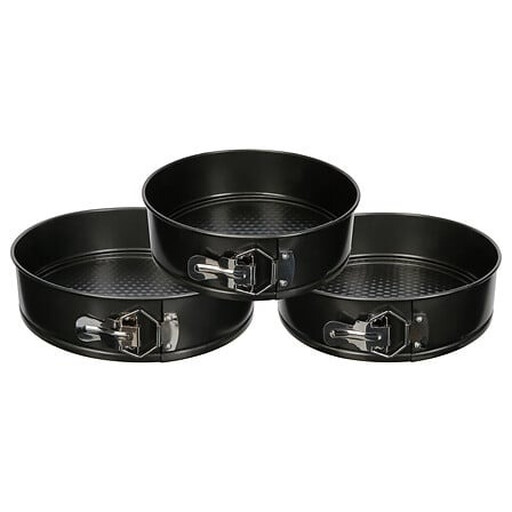
Why this product suits this profile: Three sizes – 22 cm, 24.5 cm and 26 cm – cover a range of cake sizes and offer an accessible introduction to baking.
The sizes are clearly specified, so you can check before buying whether they suit your recipes and oven.
Stackable design, steel construction with non-stick coating and removable bases.
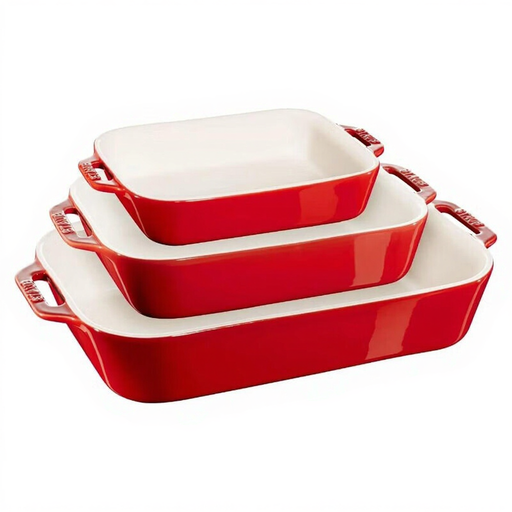
Why this product suits this profile: Three rectangular ceramic dishes measuring 20 × 16 cm, 20 × 27 cm and 24 × 34 cm are suitable for bakes, gratins, vegetable dishes and desserts.
The product details specify the material, sizes, total capacity of 4.5 litres, dishwasher suitability and oven use up to 260 °C.
Enamelled ceramic surface, ergonomic handles and stackable dishes.
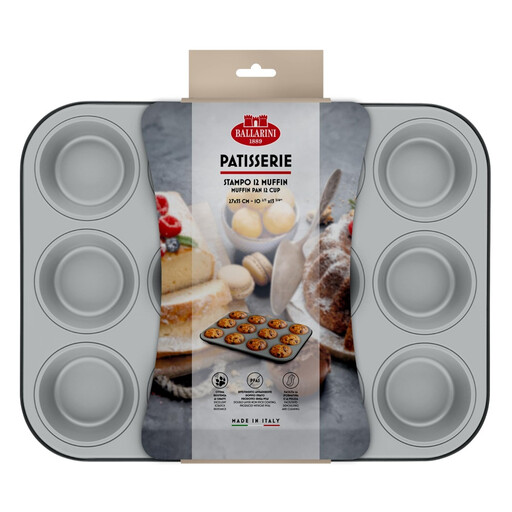
Why this product suits this profile: The 12-cup muffin tin is designed for regular baking sessions with evenly sized muffins or cupcakes.
The care instructions specify “hand wash”, avoiding any false expectations about cleaning; metal utensils should not be used.
12 cups, carbon steel, two-layer PFAS-free non-stick coating according to the product details, and oven suitability up to 230 °C.
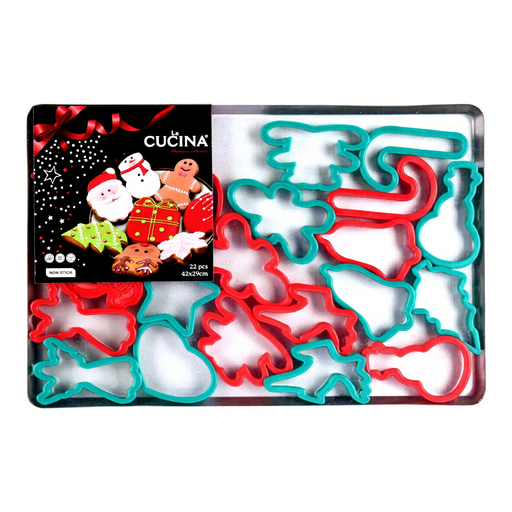
Why this product suits this profile: The set combines 21 Christmas biscuit cutters with a 42 × 29 cm baking tray, making it ideal for baking together.
The contents are clearly listed, so buyers know that both biscuit cutters and a baking tray are included.
22-piece set with non-stick baking tray and a range of festive Christmas designs.
We have put together a complete, regularly updated list of products that fully meet these strict selection criteria and the safety regulations applicable in the EU.
For many households, a springform tin, a muffin tin, a baking tray and a rectangular baking dish are enough to start with. If you bake bread, you can also choose a loaf tin. Specialist items such as ramekins or a tartelette tin are worthwhile if you use them regularly.
Lifespan depends heavily on the material thickness, coating, temperature and care. Silicone is flexible and easy to store, but it needs a stable base when being filled. Carbon steel retains its shape and transfers heat directly; coated versions should be washed gently by hand. Without specific manufacturer and usage conditions, it is not possible to make a general statement about durability.
Start with the intended use and your oven’s dimensions. Then compare the material, internal and external dimensions, temperature range, coating, contents and cleaning requirements. If you want to buy a baking tin set, you should also check that the tins included are genuinely suitable for your recipes and preferred portion sizes.