
Lieferung heute & morgen

Qualitätsgarantie

Willkommens-Angebote freischalten: KOSTENLOSE Lieferung | Bis zu 80 % RABATT | Kostenlose 30-Tage-JoyPlus-Testphase
App herunterladen
A baking tin set can replace several individual tins, saving valuable space in your kitchen cupboard. At the same time, sets differ significantly in material, dimensions, coating and care. If you only focus on the number of pieces or terms like "premium", you might end up with tins that don't suit your oven or your favourite recipes.
A large set isn't automatically versatile. Several similarly sized tins won't help much if you're missing a loaf tin, a springform tin or a muffin tin for your recipes. So before you buy, think about what you bake regularly: cakes, bread, muffins, tartlets, quiche or savoury bakes.
Non-stick baking tins can make releasing your bakes easier, but they aren't necessarily dishwasher-safe. For several of the products featured here, hand washing with warm water and a soft sponge is either required or recommended. Abrasive cleaners, metal scouring pads and sharp utensils can damage the coating.
Baking tins made from carbon steel are suitable for the oven, but not automatically for hobs, induction cooktops, microwaves or open flames. The maximum permitted temperature varies by model, for example up to 220 °C, 230 °C, 240 °C or 250 °C. What matters is the specific manufacturer's instruction, not just the material.
Carbon steel is relatively lightweight and can transfer heat evenly to your batter. A thicker construction can also help with shape stability. Thin or poorly made tins, on the other hand, are more likely to warp or heat unevenly.
Look out for:
A non-stick coating can make it easier to release delicate batters. With a springform tin, a reliable clasp and a removable base are also important. For a muffin tin, the inside surface should be as smooth as possible so that muffins and cupcakes come out with minimal residue.
Even with coated tins, a light greasing before first use can be a good idea. Knives or sharp objects should never be used directly on the surface.
Measure the inside of your oven before buying, especially for rectangular baking tins. A 12-hole muffin tray, for example, can be around 40 × 30 cm. A 20 cm springform tin is ideal for smaller cakes, while a 24 cm loaf tin is better suited to bread, banana bread or pound cake.
Also consider:
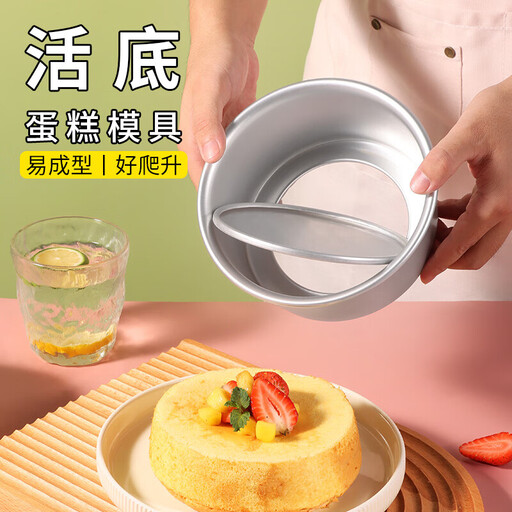
Why this product fits the profile: The round tin at 6 inches (around 15 cm) is ideal for smaller cakes, tartlets and individual baking projects, without requiring a large set.
The compact size makes its purpose clear. The active bottom is designed for easier release; temperature and care instructions should be checked before use.
Round 6-inch design with described non-stick surface and active bottom.
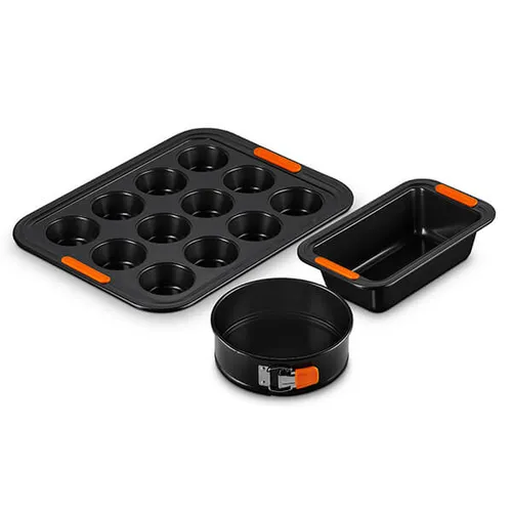
Why this product fits the profile: This three-piece baking tin set combines a 12-hole muffin tray, a 24 cm loaf tin and a 20 cm springform tin for frequent sweet and savoury recipes.
The included tins cover different recipe types rather than bundling similar sizes. The stated oven limit is 240 °C; cleaning is by hand.
Heavy carbon steel, non-stick coating inside and out, plus three clearly named formats.
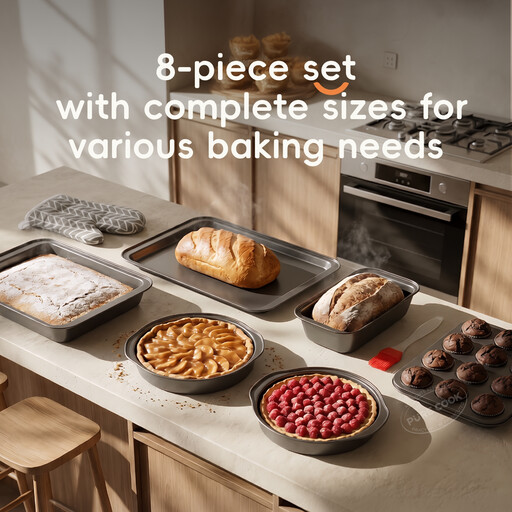
Why this product fits the profile: Several square and rectangular tins are suitable for small cakes, brownies, pizza, toast and savoury bakes in different quantities.
The different formats can be chosen according to recipe and portion size. The set is intended for the oven, not for hobs, open flames or the microwave.
Eight-piece set, stackable tins and coated carbon steel construction.
We've put together a full, regularly updated list of products that fully meet these strict selection criteria and the safety regulations in force in the EU.
For many households, a springform tin, a loaf tin and a muffin tin make a practical base. If you enjoy baking quiche or small tartlets, you might also want a flan tin or tartlet tin. For homemade bread, a separate bread tin in a suitable size is a good idea.
That depends on the individual product. For the tins described here, hand washing with warm water and a soft sponge is mostly recommended. The manufacturer's instructions should take priority, as dishwasher detergent, heat and friction can affect the non-stick coating.
It's impossible to give a fixed lifespan. It depends on material thickness, frequency of use, temperature and care. If you stick to the permitted temperature, avoid sharp objects and wash the tins by hand, you'll reduce typical causes of wear. The condition of the coating and the shape stability are the deciding factors.