
Lieferung heute & morgen

Qualitätsgarantie

Willkommens-Angebote freischalten: KOSTENLOSE Lieferung | Bis zu 80 % RABATT | Kostenlose 30-Tage-JoyPlus-Testphase
App herunterladen
A baking tin set can replace several individual cake tins, muffin trays or baking sheets, saving you valuable storage space. At the same time, sets differ significantly in material, sizes, coating and cleaning. If you only focus on the number of pieces or an attractive design, you may end up with tins that rarely get used in daily life.
This buying guide shows you which details matter before purchasing a baking tin set and which selection suits different households.
A set with numerous tins sounds versatile at first. What really counts, however, is whether the dimensions match your own recipes and your oven. Very small cake tins are better suited to individual portions, whereas a springform tin with a diameter of 22 to 26 cm is more practical for classic cakes and tortes.
So check:
A non-stick coating makes it easier to release cakes and to clean the tin. However, it is not automatically suitable for metal utensils, harsh abrasives or the dishwasher. For coated baking tins, the product description should therefore include specific details about cleaning and the maximum permitted temperature.
With metal tins, it is often advisable to use wooden, silicone or heat-resistant plastic utensils. A damaged coating can make releasing baked goods more difficult and shorten the tin's lifespan.
Not every ovenproof baking tin is suitable for the microwave, hob, open flame or freezer. Silicone baking tins are often flexible in their uses, whereas carbon steel tins may be intended exclusively for the oven. Ceramic tins retain heat well but are sensitive to sudden temperature changes.
Always read the specifications before buying for:
Silicone is lightweight, flexible and space-saving. It is ideal for muffins, small cakes, jelly, chocolate and frozen desserts. A sturdy baking sheet underneath makes it easier to slide in and out. You must observe the temperature limit: the heart-shaped baking tin set from Joybuy, for example, is specified for -40 °C to 230 °C and is suitable for the oven, microwave and freezer.
Carbon steel conducts heat relatively directly and offers a shape-stable alternative for bread, brownies, cakes and tray bakes. Coated varieties should be cleaned with warm water and a soft sponge after cooling. Some models are rated by the manufacturer for 220 °C, 230 °C or 280 °C. These values apply to the specific product.
Ceramic and stoneware suit casseroles, gratins and desserts that are served directly in the dish. They are heavier than silicone or steel and should not be moved abruptly from the freezer into a hot oven unless the product description explicitly allows it.
A set with stackable tins takes up less space. For coated tins, soft sponges and mild cleaning agents protect the surface. Dishwasher-safe products offer extra convenience, but this feature should be explicitly stated in the product details. With ceramic, handles and glazes can make handling easier, while silicone tins are usually particularly easy to store.
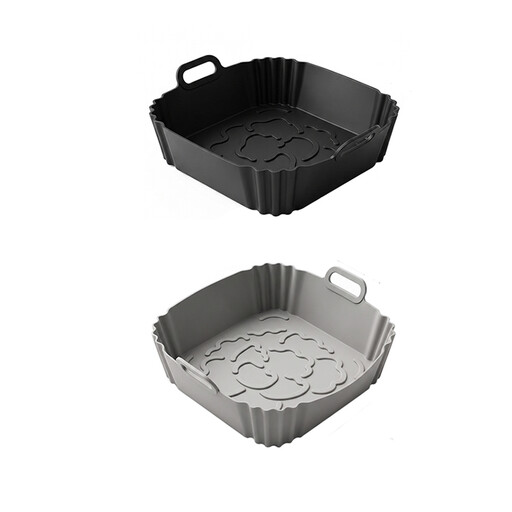
Why this product suits the profile: Two square silicone baking tins with a side length of 21.5 cm cover small cakes, brownies and portion-sized bakes without taking up much storage space.
The number of pieces remains manageable and the identical measurements make selection easier compared to overloaded sets with few usable sizes.
Flexible silicone and two tins; the material is rated for -40 °C to 230 °C according to the product details.
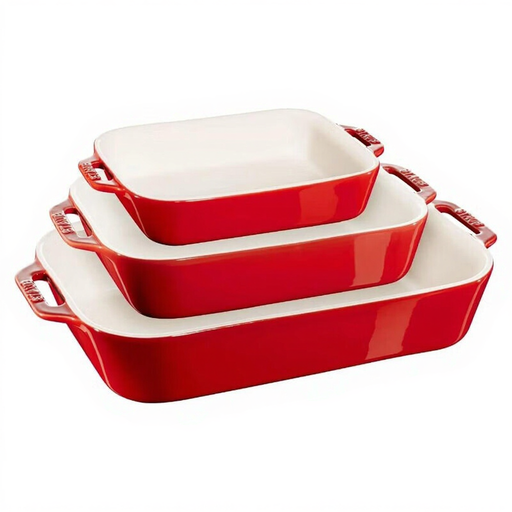
Why this product suits the profile: Three rectangular ceramic dishes in 20 × 16 cm, 20 × 27 cm and 24 × 34 cm cover everything from individual portions to larger family meals.
The three clearly stated sizes make it easy to match recipes and household needs; the dishes are ovenproof up to 260 °C according to the specifications.
Enamelled ceramic, handles, stackability and suitability for dishwasher, microwave and freezer according to the product details.
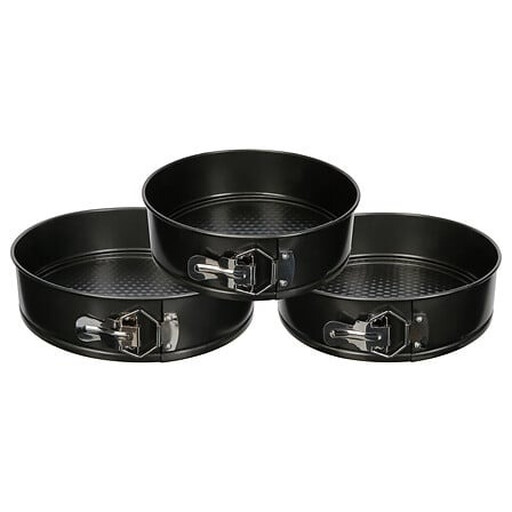
Why this product suits the profile: The three diameters – 22 cm, 24.5 cm and 26 cm – are ideal for different cake quantities and classic torte recipes.
Instead of vague universal sizes, this springform tin set offers three clearly named sizes and a removable base with a locking mechanism.
Stackable design, non-stick coating and oven use up to 280 °C according to the product details.

Why this product suits the profile: Six tins, each measuring 8 × 7.5 × 3.1 cm, are designed for small cakes, cupcakes, jelly and chocolate desserts at parties or family baking sessions.
The individual measurements and number of pieces are clearly stated, making it easier to judge portion sizes before buying.
Flexible silicone, non-stick surface, dishwasher-safe according to the product details and rated for temperatures from -40 °C to 230 °C.
We have put together a full, regularly updated list of products that fully meet these strict selection criteria and the safety regulations in force in the EU.
For beginners, a springform tin of around 24 to 26 cm, a muffin tin, a baking sheet and a small loaf or bread tin are sensible choices. If you regularly make desserts, you can add ramekins. A large set is particularly worthwhile when you will actually use several different types of tin.
Silicone baking tins are generally suitable for the oven, provided you stick to the temperature limit specified by the manufacturer. They should not be placed on an open flame or a hob. For soft tins, a sturdy baking sheet underneath is recommended.
The lifespan depends on temperature, cleaning, storage and how you treat the surface. Do not use metal utensils or abrasive sponges, allow the tin to cool before cleaning and follow the dishwasher instructions. This way you can avoid typical damage to the non-stick coating.