
Lieferung heute & morgen

Qualitätsgarantie

Willkommens-Angebote freischalten: KOSTENLOSE Lieferung | Bis zu 80 % RABATT | Kostenlose 30-Tage-JoyPlus-Testphase
App herunterladen
The aroma of a freshly baked cake is unparalleled. But the journey to get there can be a challenge if you have the wrong baking accessories in your cupboard. Batter that sticks to the tin, a cake that browns unevenly, or a springform pan that leaks—these problems can often be traced back to ill-considered purchases. As your Joybuy Product Recommendation Officer, I'll help you identify the common pitfalls and find the right accessories for your baking projects.
Before investing in new equipment, it's helpful to know the most common marketing promises and product flaws that often lead to disappointment.
To avoid these mistakes, you should check three key aspects before buying. These will help you make an informed decision based on objective criteria.
The choice of material is fundamental to the success of your baked goods. Each material has specific properties regarding heat conduction and distribution.
The selection of shapes is vast. However, a solid core collection will cover most needs.
What good is the most beautiful cake if it doesn't stay fresh or can't be presented appealingly? A good biscuit tin should be airtight to preserve the freshness of biscuits and pastries. A cake stand should be one thing above all: stable. A wobbly stand can quickly ruin all your hard work.
Here are some product recommendations tailored to different needs and use cases.
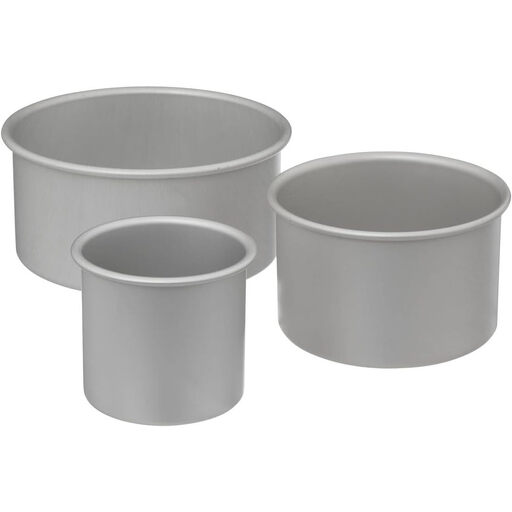
Why it's a great match: With three different sizes (20, 15, and 10 cm diameters), this set provides a flexible basic collection. It's ideal for anyone who enjoys trying out multi-layered cakes or simply wants to have the right size on hand for various occasions without having to buy many individual tins.
This set avoids the trap of having the wrong size. Instead of a single tin that is often too large or too small, it offers flexibility. The aluminium material ensures very good and even heat distribution, which prevents unevenly baked cakes.
Three practical sizes in one package. The lightweight, heat-conductive aluminium allows for predictable baking results.
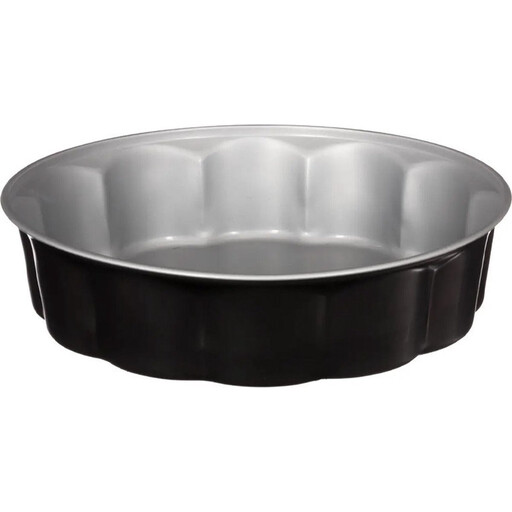
Why it's a great match: A 26 cm springform pan is a cornerstone of traditional baking. This model focuses on the core function: to be a reliable tin for classic cheesecakes, fruit tarts, and layered cakes. It's a workhorse for tried-and-true family recipes.
This product avoids the trap of superfluous features. It is a simple, functional springform pan in the most common size. The non-stick coating directly addresses the problem of sticking, which simplifies handling.
Standard diameter of 26 cm, suitable for a wide range of recipes. The coating makes it easier to release the cake.
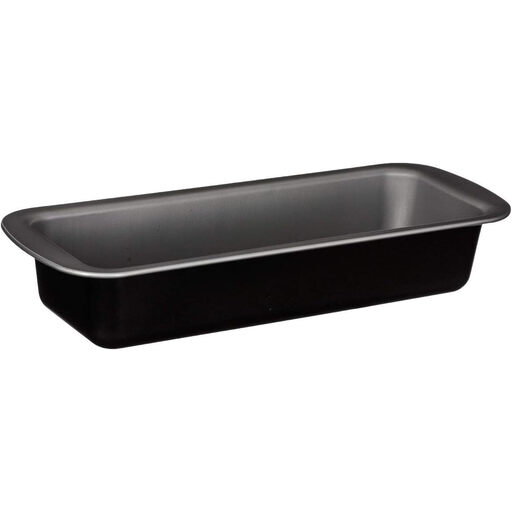
Why it's a great match: Perfect for anyone who regularly bakes bread or classic loaf cakes. The robust metal construction and common size make it a reliable tool for heavy doughs and moist cakes.
This tin addresses the problem of unstable, thin-walled tins. Its solid metal construction prevents it from deforming under the weight of bread dough—a common frustration with cheaper models.
Robust quality for shape retention. The dimensions (total length 35 cm, internal length approx. 30 cm) and a volume of 1.65 litres are designed for many standard recipes.
We have compiled a complete, up-to-date list of products that fully meet these strict selection criteria and the German safety regulations.
1. How do I clean a non-stick baking tin properly to extend its lifespan? The longevity of a coating heavily depends on its care. It is recommended to clean the tin by hand with warm water, mild washing-up liquid, and a soft sponge. Avoid abrasive cleaners, steel wool, and cleaning in the dishwasher, even if the manufacturer permits it. Likewise, no metallic or sharp-edged kitchen utensils should be used in the tin.
2. Do I still need to grease silicone baking moulds? Although silicone has good non-stick properties, light greasing is advisable before the first use or for very low-fat batters. This ensures that the baked goods can be removed from the mould effortlessly. For subsequent uses, it is often no longer necessary.
3. What size should a springform pan be for most standard recipes? A springform pan with a diameter of 26 cm is a widely used standard in Germany. Many recipes in German cookbooks and on recipe websites are designed for this size. It offers a good balance and is versatile for tall cakes and flat bases. A 28 cm tin is a good alternative for slightly larger gatherings.