
Lieferung heute & morgen

Qualitätsgarantie

Willkommens-Angebote freischalten: KOSTENLOSE Lieferung | Bis zu 80 % RABATT | Kostenlose 30-Tage-JoyPlus-Testphase
App herunterladen
When you buy baking tins and oven dishes, you often look first at price, colour or a claimed non-stick coating. For practical use, however, other factors are far more important: Does the tin fit in your oven? Is it easy to clean? Is it suitable for cakes, casseroles or the hob? Choosing the wrong one can mean your bake sticks, the tin warps, or cleaning takes far longer than you expected.
This buying guide shows what British households should look for when choosing a 26 cm cake tin, a 28 cm baking tin, a loaf tin or a baking dish.
A non-stick baking tin can make it easier to release cakes or quiches. However, that does not automatically mean it is suitable for metal utensils, harsh cleaners or the dishwasher. Some coatings last longer if you wash the tin by hand with a soft sponge.
Before you buy, you should check three details separately:
The manufacturer’s care instructions are more important here than general advertising claims.
A measurement like “26 cm” usually describes the diameter of round tins. For rectangular tins, the length, width and height may be listed separately. What matters is whether the tin fits on your baking tray and leaves enough space around the oven walls.
The height also affects the result. A shallow tart tin is ideal for tarts or quiches, while a loaf tin needs more depth for bread and sponge cakes. For a large baking dish, the capacity also counts, especially for family portions.
An aluminium baking tin or ceramic baking dish is not automatically suitable for hobs. Many baking tins may only be used in the oven. An induction-compatible pan or roasting dish must be explicitly approved for induction.
Equally important is the maximum temperature. With delicate coatings, this can be lower than the temperature needed for bread, gratins or well-browned casseroles.
The tin should match your actual baking routine:
A dishwasher-safe baking tin saves time in everyday use. Even so, hand washing coated products can help extend the life of the surface. If you bake often, look for a removable base, sturdy handles and a clear temperature rating.
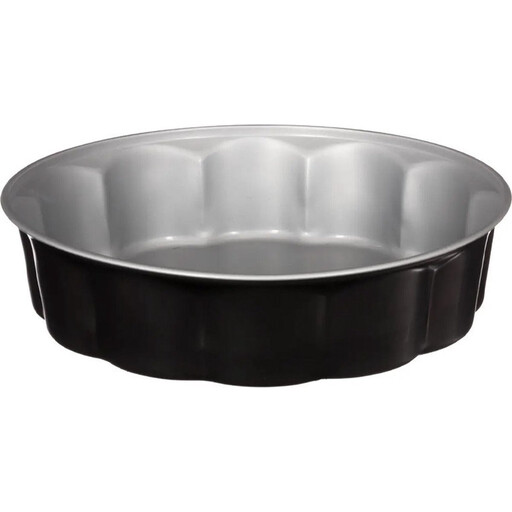
Why this product fits the profile: The round metal tin with a 26 cm diameter is designed for classic cakes and offers a straightforward introduction to baking at home.
The product details state the specific size and a non-stick coating. At the same time, it is clearly indicated that the tin is not suitable for the dishwasher.
26 cm diameter, 6.5 cm height, 300 g weight and hand washing recommended by the manufacturer.

Why this product fits the profile: The 28 cm tin with a removable base is aimed at users who want to make tarts, quiches and fruit bases with precision.
The SafeClick mechanism and removable base address the risk of damaging delicate bakes when releasing them. The tin is not dishwasher-safe according to the information.
28 cm diameter, 1.8 l capacity, heat-resistant up to 250 °C and ceramic KAIRAMIC coating.
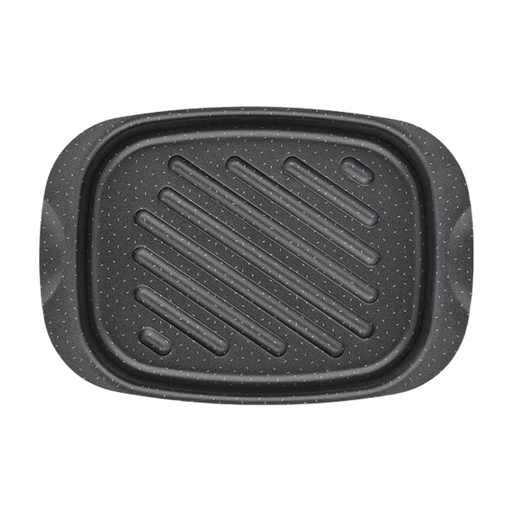
Why this product fits the profile: The rectangular roasting dish is designed for larger portions, vegetables, gratins and oven dishes for several people.
The external dimensions and capacity help with size planning. The coating must not be used with sharp or metallic kitchen utensils.
39 × 27 cm, recycled aluminium, reinforced ProBaking non-stick coating and suitability for oven and dishwasher according to product information.
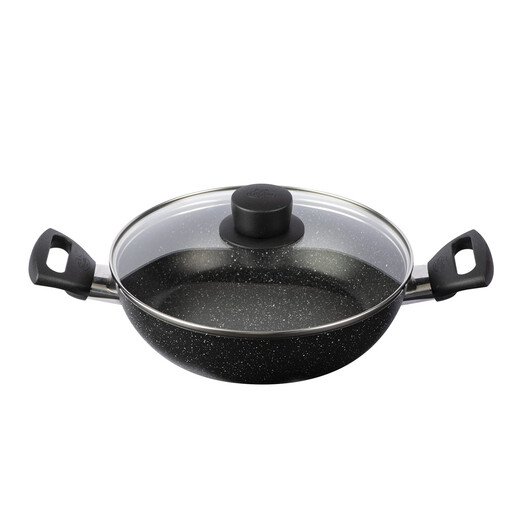
Why this product fits the profile: If you want to combine a roasting dish and a hob pan, this model works on gas, electric, ceramic and induction hobs.
Suitability for all common hob types including induction is explicitly stated. For oven use, you should follow the manufacturer’s instructions on the permitted temperature.
24 cm diameter, glass lid, four-layer Nerolite coating and dishwasher suitability according to the product description.
We have put together a complete, regularly updated list of products that fully meet these strict selection criteria and the safety regulations in force in the EU.
A 26 cm cake tin is a common size for many classic recipes. A 28 cm baking tin offers a bit more surface area. Since the amount of batter and baking time can change, you should not transfer a recipe between the two sizes without adjustment.
That depends on the individual product. Some aluminium tins are suitable for the dishwasher according to the manufacturer, while others should only be washed by hand. With coated tins, hand washing with a soft sponge can protect the surface.
A baking dish is usually used for lasagne, gratins and other layered dishes. A roasting dish can also be designed for meat, vegetables or larger oven dishes. If you want to use it on the hob as well, you must specifically look for a hob-compatible and, if necessary, induction-compatible pan or roasting dish.