
Lieferung heute & morgen

Qualitätsgarantie

Willkommens-Angebote freischalten: KOSTENLOSE Lieferung | Bis zu 80 % RABATT | Kostenlose 30-Tage-JoyPlus-Testphase
App herunterladen
Whether you’re baking cakes, bread, quiches or savoury casseroles, baking tins affect the shape of your bake, cooking time, ease of use and cleaning. Many disappointing purchases aren’t down to the recipe, but to unclear information about the coating, the wrong measurements or using a tin for something it wasn’t designed for.
A non-stick baking tin can make it easier to remove cakes and pastries. Even so, it’s often a good idea to grease it lightly. Metal knives, sharp-edged utensils and scouring pads can damage the surface. Several coated models are also intended for hand-washing, even if they seem easy to clean at first.
A cake tin with an external diameter of 24 cm doesn’t necessarily offer 24 cm of usable baking space. The height of the sides and the shape of the base affect its capacity. Height is particularly important for layer cakes, bread and casseroles. A deep model that’s 90 mm high will suit different quantities of mixture from a shallow baking tray.
Not every tin can be used on the hob, under the grill or at very high temperatures. An oven-safe baking tin should come with a specific temperature rating and clear instructions for use. Coated tins generally shouldn’t be used over an open flame. A baking tin set may also contain different tins that aren’t suitable for the microwave, induction hob or grill.
A steel baking tin distributes heat evenly, depending on its construction, and is often lighter than cast iron. Carbon steel is used in many baking tins because it’s relatively lightweight and conducts heat well. A coating can make it easier to remove your bake, but it needs to be cleaned gently.
304 stainless steel is rust- and corrosion-resistant and can be cleaned with a soft sponge. According to the product information, the Maxcook product is made from 304 stainless steel and is suitable for conventional ovens, steam ovens and induction hobs. When using it on a hob, follow the relevant safety instructions, such as using medium to low heat and avoiding boiling it dry.
Look out for the following information:
A baking tray is useful for flat bakes, biscuits and larger portions. A deep cake tin is better suited to sponge cakes, bread and casseroles. A tartlet tin with several wells is designed for individual tarts, mini quiches and small desserts. If you’re making savoury shortcrust recipes, choose a quiche tin based on its depth and the layout of its wells, not just its appearance.
If you make a variety of recipes, a baking tin set may be more cost-effective than buying several tins separately. Check whether it really includes different sizes, and whether all the tins have the same temperature and care instructions.
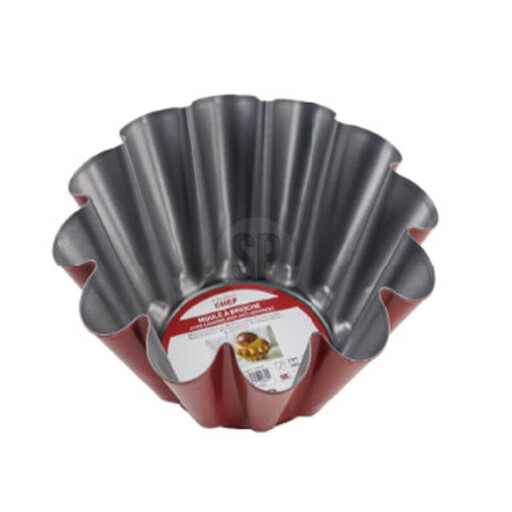
Why it’s a good fit: Measuring 230 × 230 × 90 mm, this square tin is suitable for cakes, bread and casseroles, making it a versatile choice for a basic baking collection.
The product information specifies the material, dimensions, non-stick coating and recommended hand-washing. This makes it easier to assess how much storage space it will need and how to care for it before you buy.
Steel construction, a square shape and a stated non-stick surface; soft cleaning utensils are recommended.
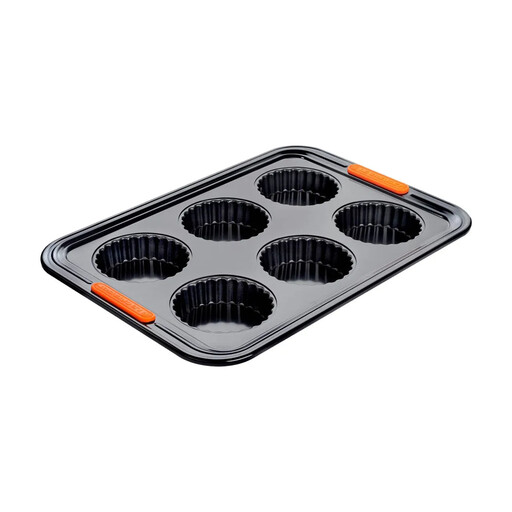
Why it’s a good fit: The six fluted wells are designed for individual tarts, quiches and mini pastries, making this tin ideal for baking individual portions.
The product information gives a maximum oven temperature of 240 °C and specifies hand-washing. These clear limits help prevent you from accidentally putting the tin in the dishwasher or using it at an unsuitable temperature.
Carbon steel body, fluted wells, reinforced rim with silicone inserts, and a stated oven-safe temperature of up to 240 °C.
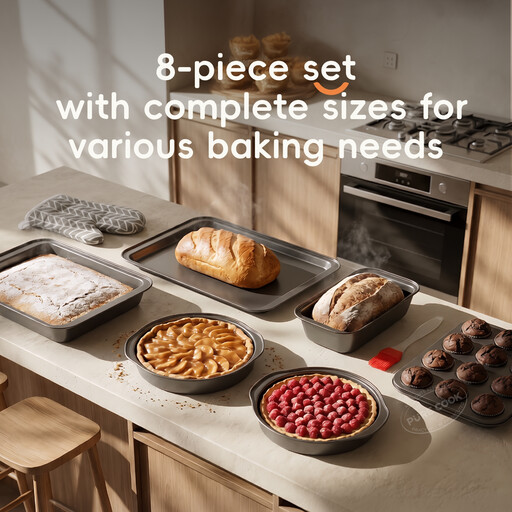
Why it’s a good fit: This eight-piece set includes a range of square and rectangular tins. It’s suited to households, baking classes and small dessert businesses working with a variety of recipes.
The product description clearly defines how the tins can be used: in an oven only, not in a microwave, over an open flame or on an induction hob. They should be washed by hand.
An eight-piece set made from carbon steel, with a non-stick coating and stackable tins in a range of shapes for sweet and savoury bakes.
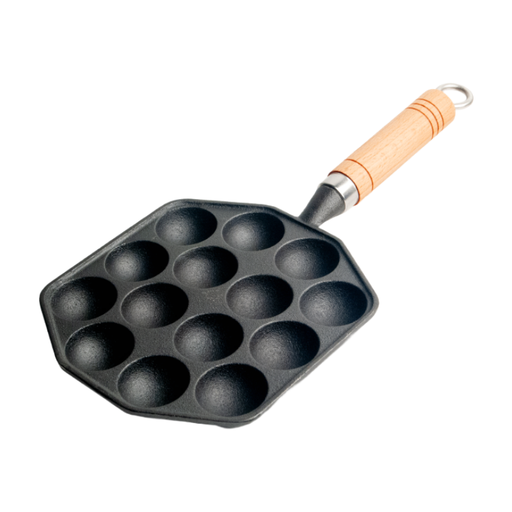
Why it’s a good fit: This takoyaki pan is designed for cooking Japanese batter balls on the hob. It’s a space-saving specialist option to complement your traditional baking tins.
The product information clearly states that it’s for hob use and should be washed by hand and dried thoroughly after use. Don’t soak the wooden handle.
Cast iron body, wooden handle and dimensions of 27,5 × 18 × 1,5 cm; depending on its condition, it may need seasoning before first use.
We’ve put together a complete, regularly updated list of products that meet these strict selection criteria and fully comply with the safety regulations in force in the EU.
For beginners, a tin with clear dimensions, a moderate depth and straightforward care instructions is a good choice. A non-stick cake tin or a compact baking tin set can accommodate a range of recipes. The key is to choose a tin that suits your oven and the amount of mixture you usually make.
It depends on the recipe and how you want to care for the tin. Steel and carbon steel conduct heat well and are often lightweight. 304 stainless steel is rust-resistant, durable and usually easy to clean. A coating can make it easier to remove your bake, but calls for more careful handling.
There’s no single answer, as lifespan depends on temperature, cleaning, storage and the utensils you use. Avoiding overheating, metal utensils and ignoring the care instructions will help reduce the risk of premature damage to the surface.