
Lieferung heute & morgen

Qualitätsgarantie

Willkommens-Angebote freischalten: KOSTENLOSE Lieferung | Bis zu 80 % RABATT | Kostenlose 30-Tage-JoyPlus-Testphase
App herunterladen
Whether it’s cake, bread, quiche or a casserole: the right baking tin affects handling, baking results and how easy it is to clean. If you only look at colour, price or the word “non-stick”, you often miss important details. Baking tins differ significantly in material, rim height, closure, coating and care.
This buying guide shows what hobby bakers, families and budget-conscious shoppers should look out for before making a purchase.
A non-stick coated baking tin can make removing cakes and cleaning easier. However, that doesn’t automatically mean it’s scratch-resistant or dishwasher-safe. Some models may only be cleaned by hand with a soft sponge. Metal knives, abrasive cleaners and hard brushes can damage the surface.
So always check the specific care instructions. “Easy to clean” and dishwasher-safe baking tin are not the same thing.
A cake tin with a 26 cm diameter holds significantly more batter than a springform tin with 20 cm. If you use a recipe for a smaller tin without adjusting it, the cake can turn out too flat, too tall or still raw in the middle. With a baking tray or a rectangular baking tin, the length, width and rim height also affect the baking time.
Check the internal dimensions before you buy, not just the external measurements. Especially in ovens with a narrow interior, a few centimetres can make all the difference.
A springform tin with a leaky closure can be problematic with runny batter. With a baking tin with a removable base, the base should sit firmly and release in a controlled way after baking. A high rim, a secure closure and easy-to-grip elements are often more important in daily use than decorative details.
Aluminium is relatively light and conducts heat evenly. Steel or carbon steel is dimensionally stable and suitable for frequent use, but can be heavier. An enamelled surface can offer additional cut resistance for certain tins.
What matters isn’t just the material, but also the wall thickness and the maximum temperature allowed. The manufacturer’s information on oven suitability should match your own recipe and oven. Baking tins should generally not be used on hobs, induction zones or open flames, unless expressly stated.
Compare whether the tin is dishwasher-safe and which utensils you can use. Even with a coating described as robust, it’s advisable to use wooden or plastic utensils. Let hot tins cool down before they come into contact with water. This reduces material stress and makes cleaning easier.
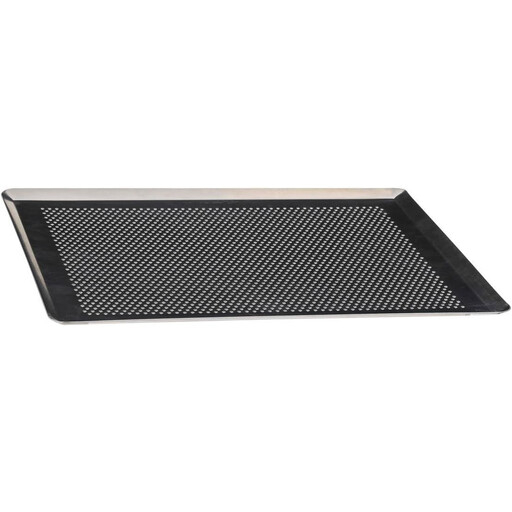
Why this product fits the profile: The aluminium baking tray offers a practical 40 × 30 cm size for biscuits, flat cakes and oven dishes. It is suitable for the oven and the dishwasher.
The clear dimensions and the dishwasher-suitability information prevent wrong purchases caused by unclear size or care details.
Aluminium construction, 40 × 30 cm, oven suitability and dishwasher-safe cleaning.
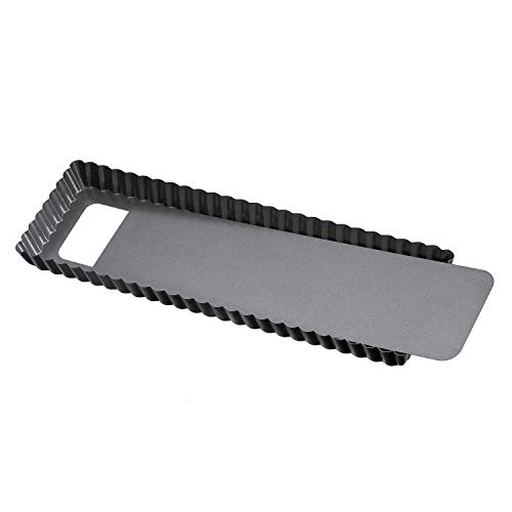
Why this product fits the profile: The steel tin with an enamelled base is designed for tarts, quiches and cakes. The removable base makes serving easier.
The rectangular dimensions, the 1-litre capacity and the stated temperature resistance up to 250 °C make its intended use clear.
Removable base, enamelled surface, 35 × 13 cm and, according to product information, dishwasher-safe.
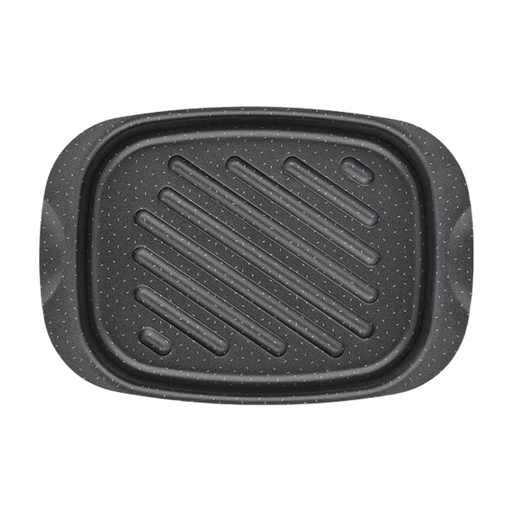
Why this product fits the profile: The larger roasting pan is aimed at households that want to prepare meat, vegetables, gratins or larger portions in the oven.
The 39 × 27 cm format clearly distinguishes its intended use from a small cake tin. The care instructions explicitly mention dishwasher suitability.
Recycled aluminium according to product information, reinforced non-stick coating and dishwasher cleaning.
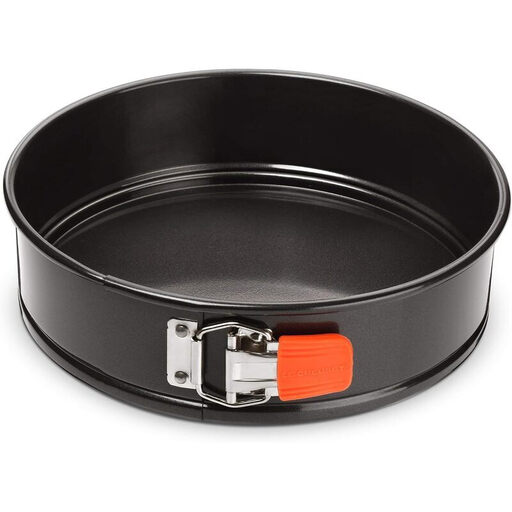
Why this product fits the profile: The 20 cm springform tin is suitable for smaller tortes, sponge bases and delicate cakes. The side clip and removable base help with releasing.
The diameter is clearly stated. The manufacturer also recommends hand washing, a maximum oven temperature of 240 °C and checking the coating.
Carbon steel, non-stick coating, removable base and side clip; oven-safe up to 240 °C according to product information.
We’ve put together a complete, regularly updated list of products that fully meet these strict selection criteria and the safety regulations in force in the EU.
For many classic cakes, a springform tin or round cake tin is practical. A springform tin with a removable base makes releasing delicate cakes easier. The diameter and rim height are crucial, as they affect the amount of batter and the baking time.
The lifespan depends on the material, use and care. Coated tins should not be used with sharp or metal utensils. Hand washing can protect the surface, even if the manufacturer allows the dishwasher. If there are scratches, deformations or a closure that no longer secures properly, the tin should be replaced.
This depends on the model. Some aluminium tins are dishwasher-safe according to product information, while others require hand washing. Always check the care instructions from the respective manufacturer and, regardless of this, avoid abrasive cleaning products.