
Lieferung heute & morgen

Qualitätsgarantie

Willkommens-Angebote freischalten: KOSTENLOSE Lieferung | Bis zu 80 % RABATT | Kostenlose 30-Tage-JoyPlus-Testphase
App herunterladen
The right baking tin affects more than just the appearance of your bake. The material, size, temperature range and cleaning requirements all influence whether cake slices come out neatly, bread bakes evenly and the tin remains reliable after frequent use. If you are looking to buy baking tins, you should therefore look beyond the colour, brand name or an apparently versatile description.
A non-stick baking tin can make it easier to remove cakes and bread. However, the coating will only remain intact if you avoid using sharp knives, metal turners and abrasive cleaning products. In addition, ‘dishwasher-safe’ does not mean exactly the same thing for every coated tin: some are not suitable for unrestricted cleaning in the dishwasher.
Check the manufacturer’s specific information:
A cake tin with a diameter of 24 cm can hold noticeably different quantities of batter depending on its height. With a loaf tin, the length, width and height are all important. For bread recipes, the stated loaf size or capacity is also relevant.
Check before buying:
A bread tin that is too large can result in flat loaves, while one that is too small may overflow.
A silicone baking tin is easy to remove bakes from and can be stored compactly. Without a stabilising frame, however, it may become misshapen when being carried to the oven. With glass and stoneware, you need to consider the weight and the risk of thermal shock. A hot baking dish should never be placed directly on a cold or wet surface.
Steel and carbon steel heat up relatively quickly and are suitable for cakes, bread, tarts and quiches. A coating makes it easier to remove the bake, but requires gentle cleaning.
Silicone is flexible and is often suitable for use in the oven, microwave or freezer. Even so, you should check the permitted temperature range. An integrated steel frame, as found on the 5five Silitop tin, can improve stability.
Stoneware retains heat and can go from the oven straight to the table. However, it is heavier than metal and more sensitive to sudden temperature changes. Information such as ‘up to 260 °C’ refers to use in accordance with the manufacturer’s instructions and does not automatically mean that the dish is suitable for hobs or naked flames.
The stated temperature is a binding guideline. A tin with a limit of 220 °C, 240 °C, 250 °C or 260 °C must not be used above that temperature. Suitability for microwaves, freezers and dishwashers should be stated separately in each case.
Even when a baking tin is dishwasher-safe, the rule still applies: coated surfaces can be subjected to greater wear by strong detergents and frequent dishwasher cleaning. For several products, hand washing is therefore the gentler option for the material.
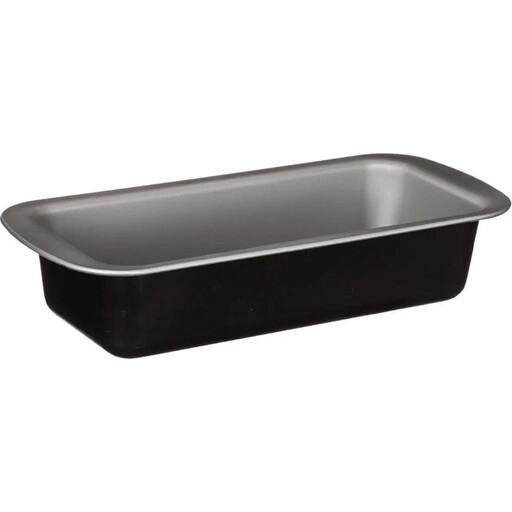
Why this product suits this profile: This 25 cm metal tin is designed for simple cakes and smaller loaves in a family kitchen. It has a stated capacity of 1.3 litres.
The clearly stated dimensions and oven suitability make recipe planning easier. The tin is not dishwasher-safe, which should be taken into account before buying.
Lightweight metal weighing 230 g; compact 25 cm design for everyday baking recipes.
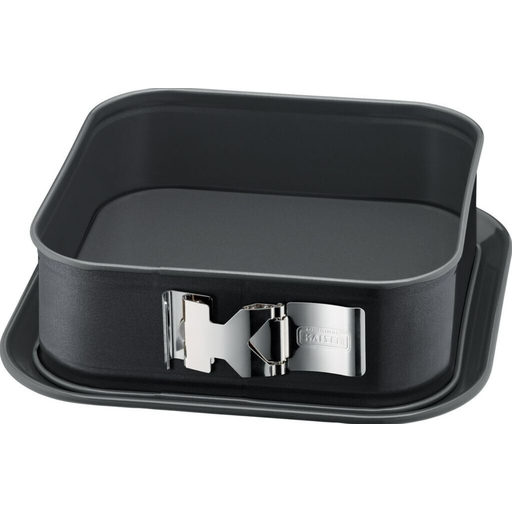
Why this product suits this profile: This square steel springform tin has a 2.9-litre capacity and is suitable for brownies, layered cakes, tarts and savoury bakes.
The temperature limit of 250 °C is clearly stated. Only the base is dishwasher-safe; the ring and clasp should be cleaned by hand.
Square 24 cm base; 2.9-litre capacity; made in Germany according to the product information.
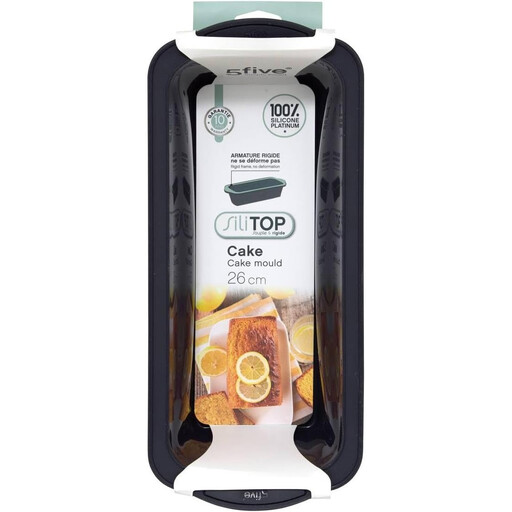
Why this product suits this profile: The combination of steel and silicone brings together flexibility and an integrated stabilising frame. The tin is designed for bread and cakes, and for use in the oven, microwave and freezer.
The sturdy frame reduces the risk of the flexible tin becoming misshapen when filled. The temperature range of -20 °C to 220 °C is clearly defined.
1.59-litre capacity; dishwasher-safe; steel and silicone construction with a stabilising frame.
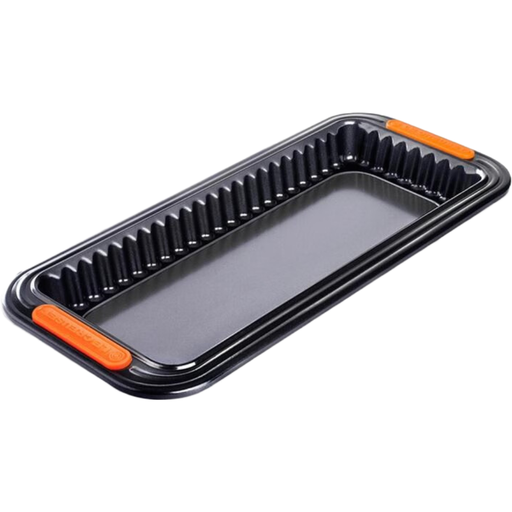
Why this product suits this profile: This rectangular carbon-steel tart tin is designed for quiche, gratins, biscuits and sweet or savoury tarts.
The removable base makes it easier to release the bake. The reinforced rim is designed to improve stability; the coated surface should be cleaned gently.
33 × 13 × 3 cm; removable base; heat-resistant up to 240 °C according to the product information.
We have put together a complete, regularly updated list of products that fully meet these strict selection criteria and the safety regulations applicable in the EU.
For long loaves and loaf cakes, a bread tin or loaf tin is a sensible choice. The key considerations are capacity, internal dimensions and the permitted temperature. For sourdough, you should also check whether the tin is described as acid-resistant or suitable for sourdough.
Both materials have different properties. Silicone is flexible, making it easy to release bakes and store the tin compactly. Metal heats up directly and often provides a more stable construction. With silicone, a sturdy frame is helpful; with metal, you need to take care of the coating.
Its lifespan depends on the material thickness, temperature, cleaning method and utensils used. Where possible, use wooden, plastic or silicone utensils, avoid abrasive cleaners and do not exceed the temperature limit. If the coating becomes visibly damaged, cracked or starts to peel away, the tin should no longer be used.