
Lieferung heute & morgen

Qualitätsgarantie

Willkommens-Angebote freischalten: KOSTENLOSE Lieferung | Bis zu 80 % RABATT | Kostenlose 30-Tage-JoyPlus-Testphase
App herunterladen
A baking tin needs to do more than simply look good. Home bakers, families and keen cooks often look first at the colour, brand or an attractive price. In everyday use, however, other differences become apparent: a coating may react sensitively to metal utensils, a tin may not fit in the oven you have, or cleaning may prove more time-consuming than expected.
These three buying misconceptions are particularly common with baking tins:
Steel and carbon steel conduct heat relatively directly and are suitable for cakes, bread, brownies or savoury dishes. A non-stick baking tin makes it easier to remove your bake. However, it should not be handled with sharp or metal objects.
Aluminium is lightweight and is often used for rectangular baking tins, baking trays and roasting dishes. According to the product information, the body of the Tefal Success models is made from recycled aluminium. The reinforced ProBaking non-stick coating is dishwasher-safe according to the manufacturer; hand washing is also recommended to protect the coating.
Silicone is flexible and can be stored in a space-saving way. A silicone baking tin should stand securely on a baking tray when it contains a liquid mixture. Check the temperature rating and cleaning instructions before buying. The available product information for the BJ silicone baking tins does not include detailed temperature or care specifications. This information should be checked on the product page before placing your order.
Ceramic or stoneware retains heat and is suitable for cakes, bread, lasagne or bakes. At the same time, the material is heavier and can be damaged by sudden changes in temperature. A stoneware dish should therefore not be placed directly from the freezer onto a hot surface unless the manufacturer expressly permits this.
The right tin depends on the recipe and your household:
Pay attention to the height: a deep baking tin holds more batter and is suitable for tall cakes or bakes. Shallow tins can be filled more quickly and are often easier to store. Capacity helps when comparing products: the Le Creuset baking tin measuring 23 centimetres is specified as holding 1.4 litres, while the red version has a capacity of 2.8 litres according to the product description.
Three details are particularly important when choosing a baking tin: maximum oven temperature, permitted heat sources and cleaning method. According to the product information, the Le Creuset stoneware models are oven-safe up to 260 °C, suitable for freezer temperatures down to −23 °C, and suitable for use in the microwave and dishwasher. Use on a hob or direct heat source is expressly excluded.
For coated tins, it is advisable to check the care instructions before first use. Even if a baking tin is described as dishwasher-safe, regular hand washing with a soft sponge can help protect the surface. Allow the tin to cool sufficiently before removing the bake.
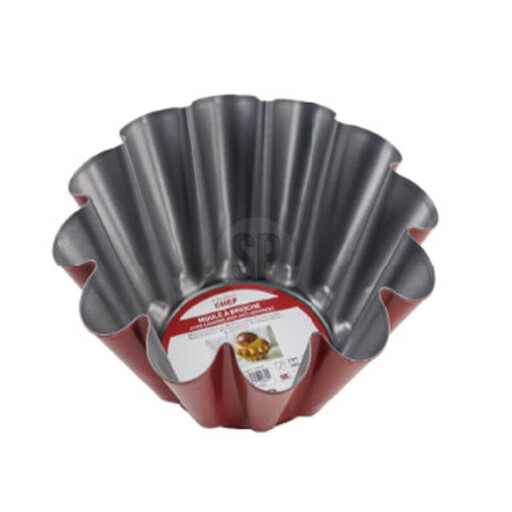
Why this product suits this profile: The square steel tin measuring 230 × 230 × 90 mm covers typical recipes for cakes, bread and bakes, making it an uncomplicated introduction to baking.
The product information specifies the dimensions, steel material and a non-stick coating. Lightly greasing the tin is also recommended, rather than relying solely on the coating.
Deep design, steel body and clearly defined dimensions; hand washing is recommended to protect the surface.
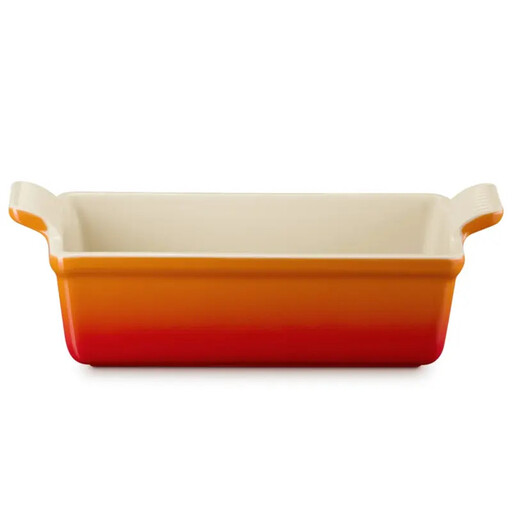
Why this product suits this profile: With a capacity of 1.4 litres, this stoneware model is aimed at households looking for a versatile dish for bread, cakes, lasagne and meatloaf.
The temperature limits from −23 °C to 260 °C and the exclusion of direct heat are clearly stated. This makes it easier to use the dish with the appropriate heat source.
Stoneware, scratch-resistant glaze, and suitability for the oven, freezer, microwave and dishwasher according to the product information.
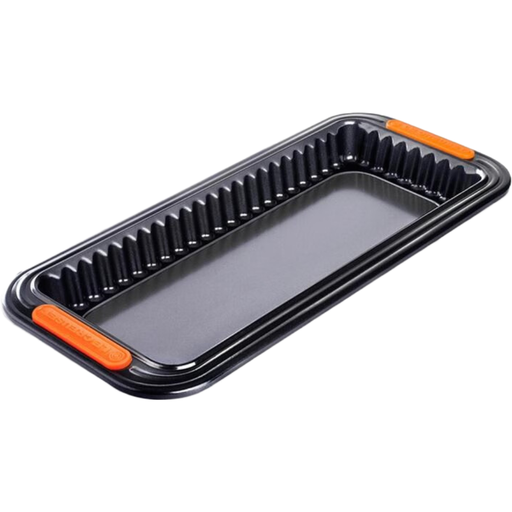
Why this product suits this profile: The long, narrow quiche tin is designed for tarts, quiches, gratins and biscuits. Its removable base provides an additional specialist benefit.
The tin specifies a maximum heat resistance of 240 °C and sets out the care requirements, including gentle cleaning and avoiding scouring agents.
Carbon steel body, PFOA-free coating, removable base and reinforced rim according to the product description.
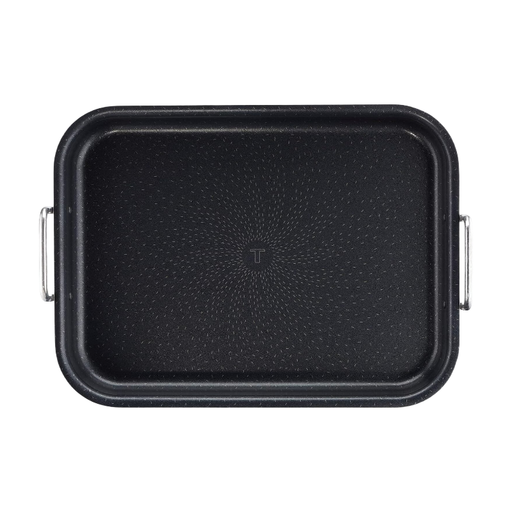
Why this product suits this profile: Measuring 37 × 27 × 4.5 cm and holding approximately 4.5 litres, this rectangular oven dish is designed for larger portions such as lasagne, gratins or roasted vegetables.
The product description specifies the dimensions, capacity, oven and dishwasher suitability, as well as heat-resistant handles. Check the instructions for the temperature limit before use.
Recycled aluminium, ProBaking non-stick coating, carry handles and stated dishwasher suitability.
We have put together a complete, regularly updated list of products that fully meet these strict selection criteria and the safety regulations applicable in the EU.
When buying a baking tin set, it is also worth checking the sizes actually included. According to the product description, the PURECOOK set contains eight different tins and is suitable for use in the oven and air fryer, but not in the microwave, on the hob or over an open flame. It must be washed by hand.
For several people, a rectangular baking dish or oven dish with a capacity of around four litres is practical. It is suitable for lasagne, gratins, vegetable dishes and larger desserts. For cakes and bread, however, you will generally need a loaf tin or a deeper cake tin.
Silicone baking tins are flexible and save space. Metal tins made from steel, carbon steel or aluminium are sturdy and conduct heat differently. It is therefore not useful to make a blanket judgement. The key considerations are the recipe, temperature specification, stability when filling and your preferred cleaning method.
Its service life depends on the material thickness, frequency of use and care. Metal utensils, abrasive cleaners, overheating and sudden changes in temperature can affect a coating more quickly. Hand washing and following the manufacturer’s instructions can help extend its service life, but cannot guarantee it.