
Lieferung heute & morgen

Qualitätsgarantie

Willkommens-Angebote freischalten: KOSTENLOSE Lieferung | Bis zu 80 % RABATT | Kostenlose 30-Tage-JoyPlus-Testphase
App herunterladen
A baking tin needs to do more than simply fit in the oven. It must suit the recipe, the quantity you want to make and your cleaning routine. Many disappointing purchases happen because product descriptions only provide key details in abbreviated form. A non-stick baking tin, for example, may make it easy to remove your bake, but that does not automatically mean it is dishwasher-safe. The stated size does not always reflect the actual capacity either.
This buying guide explains what home bakers in Germany should look out for – from springform tins and bread tins to oven dishes.
“Non-stick” primarily describes the surface and how easily the bake can be removed. It does not mean that the tin is suitable for metal utensils or the dishwasher. With several coated steel tins, only the base is dishwasher-safe, or hand washing is recommended.
Sharp knives, metal scrapers and abrasive cleaners can damage the surface. Before buying, you should therefore check the care instructions, whether the tin is dishwasher-safe and which kitchen utensils may be used.
An ovenproof baking tin with a temperature rating of 240 or 250 °C is not automatically suitable for hobs, open flames or induction. Ceramic baking tins, glass and coated steel in particular have different usage limits depending on the model.
How you handle changes in temperature is also important. A hot ceramic or cast-iron baking tin should not be placed straight into cold water. Otherwise, thermal shock may damage the material.
A 20 cm baking tin is suitable for smaller cakes and recipes with a correspondingly adjusted quantity of batter. A 28 cm baking tin holds considerably more batter. If a recipe for a 20 cm diameter is baked in a 28 cm springform tin, the cake may be flatter and require a shorter baking time.
The height, shape of the base and capacity also affect the result. For families, rectangular oven dishes or larger round tins are often more practical, while individual portions can be prepared in small ceramic dishes.
The term “ovenproof” should always be considered together with the maximum temperature range. A model may be suitable for the oven and grill but not for hobs. For oven dishes, freezer and microwave suitability are also relevant.
If you choose a quiche tin or tart tin with a removable base, you should also look for a sturdy rim and a secure connection. With a springform tin, the fastening must be fully closed before it is placed in the oven.
A dishwasher-safe baking tin saves time, provided the manufacturer explicitly states that the entire product is dishwasher-safe. With some springform tins, only the base may be placed in the dishwasher. Washing by hand with warm water, mild washing-up liquid and a soft sponge helps protect coatings and enamel.
For many tins, washing them before first use and lightly greasing them if necessary is recommended. Depending on the recipe, even a non-stick surface may benefit from a little fat or baking paper.
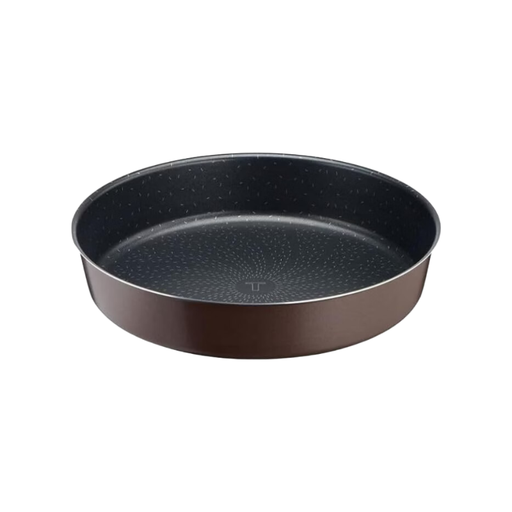
Why this product suits the profile: The round 26 cm tin covers typical cake and tart recipes and, according to the product information, is suitable for the oven and dishwasher.
The specifications state the material, diameter and a PFOA-, lead- and cadmium-free coating. This makes it easier to compare important buying information in advance.
26 cm diameter, recycled aluminium, non-stick coating and, according to the product information, dishwasher-safe.
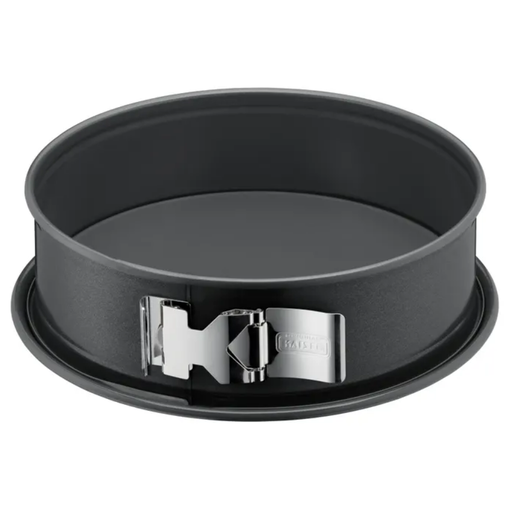
Why this product suits the profile: The 20 cm springform tin combines a SafeClick fastening with an enamelled, cut-resistant base and is ideal for small cakes and cake bases.
The care instructions clearly distinguish between the base and the ring: only the base is dishwasher-safe, while the complete tin should be washed by hand.
20 cm diameter, leakproof base, SafeClick fastening and heat resistance up to 250 °C according to the product information.

Why this product suits the profile: The 30 cm bread tin is designed for loaves weighing up to around 1 kg and can also be used for cakes as well as sweet and savoury baked goods.
The product information expressly recommends hand washing and avoiding metal utensils. This prevents the coating from being mistaken for completely hassle-free care.
Steel construction, enamelled base, acid-resistant finish and heat resistance up to 250 °C according to the product description.
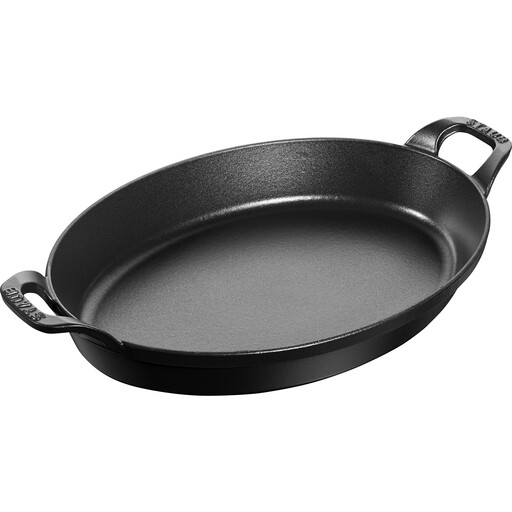
Why this product suits the profile: With a capacity of 3.7 l, this oval oven dish is suitable for gratins and baked dishes and, according to the specifications, can be used on all types of hob, including induction, as well as in the oven.
The technical specifications state the capacity, temperature range, hob types and weight. This lets you check in advance whether the dish suits your household and storage space.
Enamelled cast iron, 3.7 l capacity, two side handles and, according to the product information, dishwasher-safe and stackable.
We have put together a complete, regularly updated list of products that fully meet these strict selection criteria and the safety regulations applicable in the EU.
A round springform tin between 20 and 26 cm is versatile enough for many cake recipes. For beginners, a secure fastening, sturdy base and clearly stated care instructions are more important than additional design features. The recipe size should match the diameter.
Not necessarily. The manufacturer’s instructions for the specific product are what matter. With some models, only the base may go in the dishwasher, while the ring, fastening or entire tin must be washed by hand. Soft sponges and mild cleaning products help ensure gentle care.
Its lifespan depends on the material, temperature, frequency of use and care. Coated tins should not be scratched or used above the stated temperature. Ceramic and cast-iron tins need protection from sudden changes in temperature. Before each use, check the tin for cracks, warping or damaged coating.