
Lieferung heute & morgen

Qualitätsgarantie

Willkommens-Angebote freischalten: KOSTENLOSE Lieferung | Bis zu 80 % RABATT | Kostenlose 30-Tage-JoyPlus-Testphase
App herunterladen
Whether you are making cake, bread, quiche, gratin or a bake, the right baking tin affects how easy it is to use, cooking time and cleaning. However, many shoppers focus mainly on colour, brand name or an advertised non-stick finish. This can lead to unsuitable purchases – for example, if the tin does not fit in the oven, the coating is delicate or the capacity is not large enough for the recipe you want to make.
This buying guide from the Joybuy Product Recommendation Officer explains which details really matter when choosing baking tins and which models are suitable for different households and uses.
A non-stick baking tin can make it easier to remove cakes and tarts. However, it remains vulnerable to metal utensils, abrasive cleaners and temperatures above the manufacturer’s recommendations. Even for products labelled as dishwasher-safe, hand washing can help extend the life of the coating.
It is therefore important to check the following details:
A cake tin with a diameter of 26 cm is not automatically suitable for every recipe with the same quantity stated. With a rectangular baking dish, the internal dimensions, side height and capacity can be much more important than the overall external length. Also check whether the tin fits on your existing baking tray or in your oven.
An ovenproof baking dish made from ceramic or stoneware often must not be used on a hob or over an open flame. Moving a ceramic dish directly from the freezer into a hot oven can also cause thermal shock. Statements such as “ovenproof up to 260°C” refer to the use described by the manufacturer and do not replace the safety instructions.
Steel is dimensionally stable and is often used for springform tins, loaf tins and quiche tins. A coating can make it easier to remove baked goods, but it requires gentle cleaning.
Aluminium distributes heat relatively quickly and evenly. With a non-stick baking tin made from recycled aluminium, users should still pay attention to the maximum oven temperature and how the surface is handled.
Ceramic baking dishes retain heat and are ideal for bakes, gratins and serving at the table. They are heavier than many metal tins and must not be used on the hob unless the manufacturer expressly permits this.
Cast iron retains heat for a long time. An enamelled oval baking dish can therefore be suitable both for baking and for oven-cooked dishes. Its greater weight and the need to take care with sudden temperature changes should be considered when making your choice.
Choose your tin according to how you use it most often:
Look for a specific temperature rating, such as up to 240°C, 250°C or 260°C. With ceramic, the permitted cold temperature and resistance to temperature changes are also important. Follow the relevant manufacturer’s care instructions. A tin with dishwasher-safe components is not necessarily approved for the dishwasher as a whole.
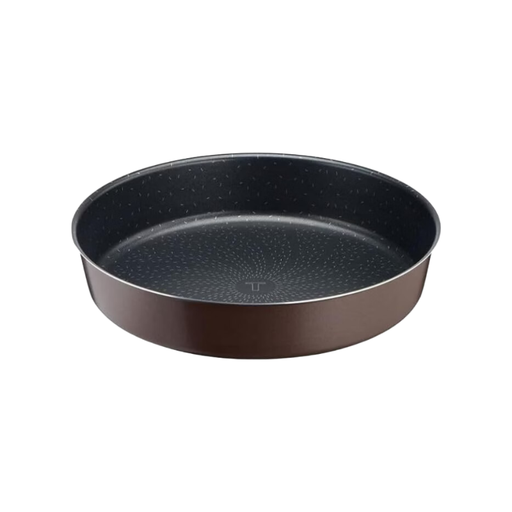
Why this product suits this profile: This round baking tin is designed for everyday cakes, tarts and bread and, according to the product details, is made from 100% recycled aluminium.
The product description clearly states the diameter, material, coating and care instructions. This makes it easier to check the tin against your oven and recipe quantities before buying.
26 cm diameter, PFOA-, lead- and cadmium-free coating according to the product details, plus dishwasher suitability.
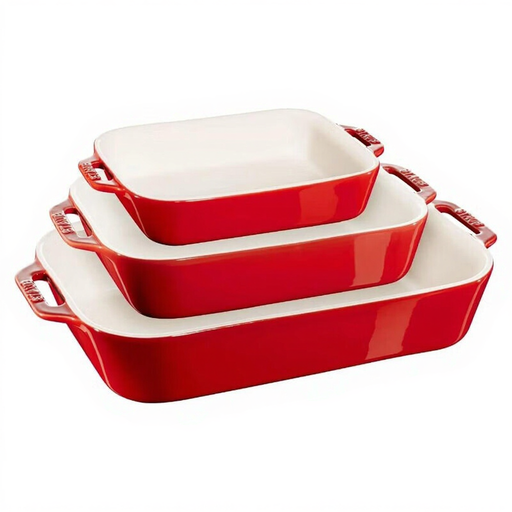
Why this product suits this profile: Three rectangular ceramic dishes measuring 20 × 16 cm, 20 × 27 cm and 24 × 34 cm cover a range of portion sizes.
The set reduces the risk of relying on one dish that is too large or too small for every recipe. According to the product description, the dishes are stackable and ovenproof up to 260°C.
Enamelled surface, three sizes, total capacity of 4.5 litres and dishwasher suitability according to the product details.
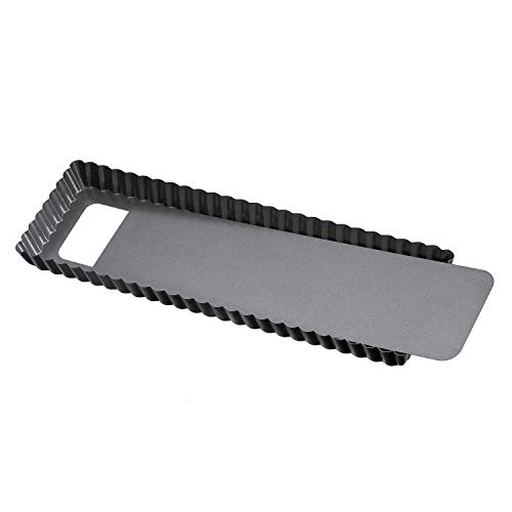
Why this product suits this profile: This rectangular tin with a removable base is designed for quiches, tarts and cakes up to 35 cm long.
The removable base makes it easier to release delicate bakes. The maximum temperature of 250°C and the hand-washing recommendation are clearly stated.
35 × 13 cm, 1 litre capacity, steel construction with non-stick coating and enamelled base according to the product description.
We have put together a complete, regularly updated list of products that fully meet these strict selection criteria and the safety regulations applicable in the EU.
For lasagne, gratins and larger oven-cooked dishes, a rectangular baking dish with high sides and sufficient capacity is a sensible choice. For several people, a capacity of around 2 to 5 litres may be suitable, for example. The quantity of ingredients and internal dimensions remain the deciding factors.
There is no universal answer for the service life. It depends on how often the tin is used, the temperature, cleaning and the utensils used. Hand washing, soft sponges and kitchen tools made from wood, plastic or silicone can help protect the coating. The tin should be replaced if it develops scratches or areas where the coating is flaking.
That depends on how you intend to use it. Metal tins usually heat up quickly and are practical for cakes, bread and quiche. A ceramic baking dish is particularly suitable for bakes and serving food straight at the table, but it is heavier and more sensitive to sudden changes in temperature. Always check the temperature range, capacity and care instructions before buying.