
Lieferung heute & morgen

Qualitätsgarantie

Willkommens-Angebote freischalten: KOSTENLOSE Lieferung | Bis zu 80 % RABATT | Kostenlose 30-Tage-JoyPlus-Testphase
App herunterladen
The right baking tin doesn't just determine how your cake looks. The material, coating, size and cleaning method all affect whether the mixture releases cleanly, the tin stays sturdy, and you actually use it day to day. If you only focus on a shiny non-stick surface or a large set, you can easily overlook important details.
A non-stick coating can make it easier to release cakes, quiches or muffins. However, it doesn't replace proper cleaning. Metal knives, scouring pads and harsh cleaners can damage the surface. What's more, many non-stick baking tins are not dishwasher-safe. So before you buy, it's worth checking the care instructions.
A comprehensive baking tin set looks versatile at first glance. But if you rarely use several of the specialist tins, they just take up unnecessary storage space. For beginners, a combination of a loaf tin, a round cake tin and a baking tray is often enough. Families or small home bakeries, on the other hand, benefit more from having several sizes and matching tins.
Not every tin is designed for the same maximum temperature. The temperature stated in the product details refers to that particular construction and coating. Also, a baking tin made from carbon steel or coated steel cannot automatically be used on the hob, on an induction plate or over a direct flame.
Baking tins made from carbon steel are shape-retaining and conduct heat evenly. This material is usually lighter than cast iron and is suitable for cakes, bread and savoury oven dishes. Coated steel can combine a sturdy construction with easier release. Recycled aluminium is also lightweight and distributes heat evenly, but should be used with suitable kitchen tools to avoid scratching the coating.
Look out for:
A springform tin with a 20 cm diameter is ideal for smaller cakes and tortes. Larger models offer more surface area, but also need a suitable baking time and quantity of mixture. A bread tin that is 30 cm long may be designed for around 1 kg of bread, depending on its capacity, while a 35 cm loaf tin is intended for larger loaves.
For typical recipes, the following tins are practical:
A dishwasher-safe baking tin can reduce the cleaning effort. However, that doesn't necessarily mean frequent washing in the machine will preserve the coating in the long term. For coated tins, the product details often recommend hand washing with warm water, mild washing-up liquid and a soft sponge.
Also important:
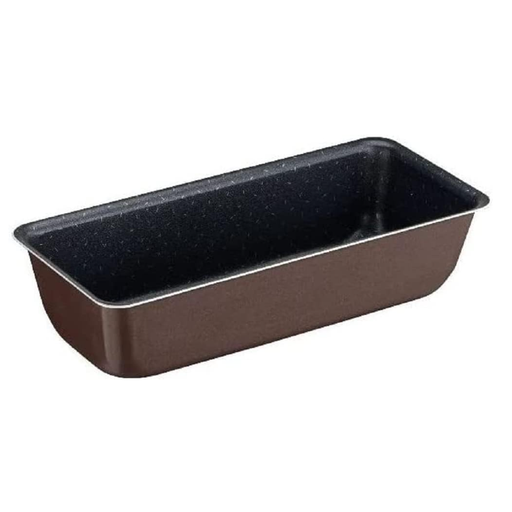
Why this product suits the profile: The rectangular tin covers cakes, brownies and traybakes without needing to buy several specialist tins. Recycled aluminium and a ProBaking non-stick coating are specified in the product details.
The product description explicitly states it is dishwasher-safe. Nevertheless, hand washing is recommended to preserve the coating.
28 cm rectangular format, recycled aluminium, even heat distribution and ProBaking coating.
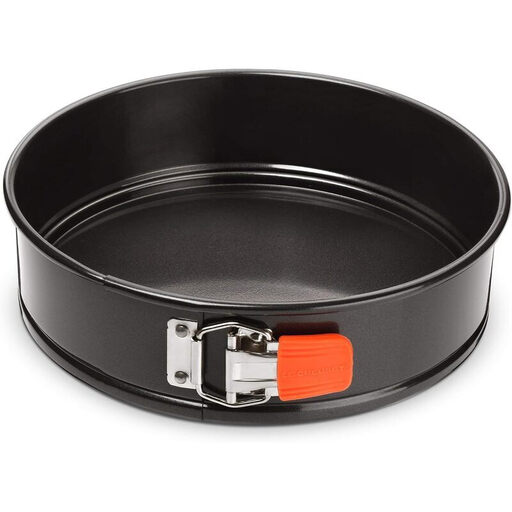
Why this product suits the profile: The combination of heavy carbon steel, a removable base and a side clip is designed for delicate cakes, tortes and cheesecakes.
The details mention a secure clip lock, a removable base and a maximum oven temperature of 240 °C. The tin is not dishwasher-safe.
20 cm diameter, carbon steel construction, non-stick coating and removable base for controlled release.

Why this product suits the profile: According to the description, this model is designed for loaves up to 1,500 g and is also suitable for cakes and savoury bakes.
The product data mention an extra-thick steel body, an enamelled base and a maximum oven temperature of 250 °C. Hand washing is required.
35 cm loaf tin, capacity stated for 1,500 g loaves, coated steel and enamelled, cut-resistant base.
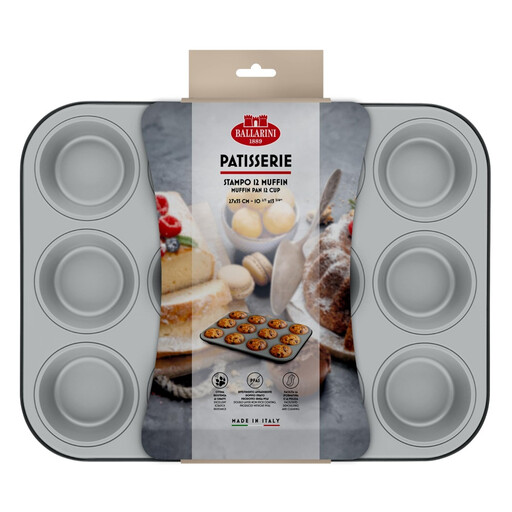
Why this product suits the profile: Twelve cups allow you to batch-bake muffins or cupcakes, and they are also suitable for savoury individual portions.
The details indicate a PFAS-free, two-layer non-stick coating. Hand washing is recommended; the tin is not intended for use on the hob, in the microwave or over an open flame.
12 cups, carbon steel, oven-safe up to 230 °C and two-layer PFAS-free coating according to the product description.
We've put together a full, regularly updated list of products that fully meet these strict selection criteria and the safety regulations in force in the EU.
For most households, a round springform tin, a loaf tin and a baking tray are sufficient. If you bake bread regularly, add a suitable bread tin. A muffin tin or tart tin is worth it if you make those recipes often.
The lifespan depends on the material, coating, temperature and care. Gentle release, hand washing and avoiding metal tools can protect the surface. If you notice scratches, warping or flaking coating, the tin should no longer be used.
Carbon steel tins are generally designed for many domestic ovens, provided the product details confirm this. The key factors are the maximum temperature, the dimensions of your oven and the permitted use. Hobs, open flames, microwaves or grills are only allowed if the manufacturer expressly permits them.