
Lieferung heute & morgen

Qualitätsgarantie

Willkommens-Angebote freischalten: KOSTENLOSE Lieferung | Bis zu 80 % RABATT | Kostenlose 30-Tage-JoyPlus-Testphase
App herunterladen
The right baking tin affects more than just appearance. It also influences ease of use, baking time and cleaning. Many disappointing purchases happen because product descriptions focus on terms such as “non-stick”, “heat-resistant” or “versatile” without providing important details. If you are looking for a cake tin, a baking tin set or a tin for bread for your home, you should therefore pay closer attention to the material, dimensions and care instructions.
A non-stick baking tin can make it easier to release your bake. However, this does not automatically mean that it is scratch-resistant or suitable for the dishwasher. Hand washing is recommended for many metal tins. Scouring pads, harsh cleaning products and metal utensils can damage the coating.
It is therefore important to:
A cake tin with a diameter of 26 cm is not suitable for every recipe, while a tall ring cake tin needs sufficient clearance from the heating elements. The height of the sides can also be important with a springform tin, particularly for cheesecakes or tall cakes.
Before buying, compare the internal space of your oven with the recipe specifications. Baking tin sets offer a range of diameters, which is practical, but they require more storage space than a single tin.
Not every baking tin is suitable for use in a microwave, on a hob, induction hob or over an open flame. Traditional metal and carbon steel tins are generally designed for use in the oven. A tin that the product information states is suitable for oven use only must not be used on the hob or barbecue.
Carbon steel conducts heat quickly and is comparatively lightweight. It is suitable for cake, bread and muffin tins, although coated versions require gentle cleaning.
Steel provides a rigid construction. This is particularly useful for a springform tin, as the sides should remain stable when opening and closing it. A coating can make it easier to release your bake, but it does not replace proper care.
Stoneware retains heat for longer and, depending on the manufacturer, may be suitable for the oven, freezer, microwave and dishwasher. When moving between very hot and cold conditions, you must observe the specified temperature range to avoid thermal shock.
Silicone is flexible, lightweight and space-saving. A silicone baking tin should be placed on a sturdy baking tray before filling. With large quantities of runny batter, the flexible tin can otherwise be difficult to move.
Compare the stated maximum temperature with your recipes. Examples from the selection include:
These values apply to the specific product in each case. They cannot automatically be applied to other tins made from the same type of material.
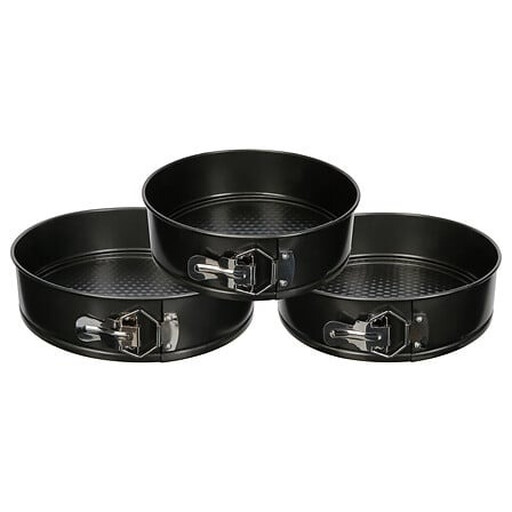
Why this product suits this profile: Three sizes – 22, 24.5 and 26 cm – cover different recipe quantities and make it easier to get started with gateaux and cakes.
The exact diameters and side heights are specified. This reduces the risk of buying a set with sizes that are unsuitable for your recipes.
Stackable design, three sizes and a fastening mechanism with a removable base.
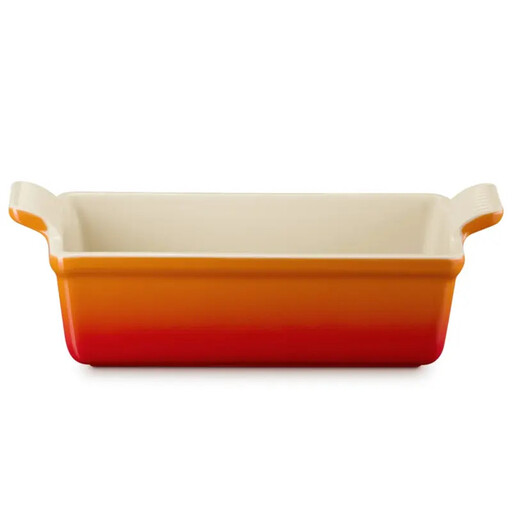
Why this product suits this profile: The 23 cm stoneware loaf tin combines baking and storage when you need one tin for bread, cakes and savoury dishes.
The product details specify a temperature range of -23 °C to 260 °C, as well as suitability for the oven, freezer, microwave and dishwasher.
Stoneware construction, a 1.4 l capacity and scratch-resistant enamel according to the product description.
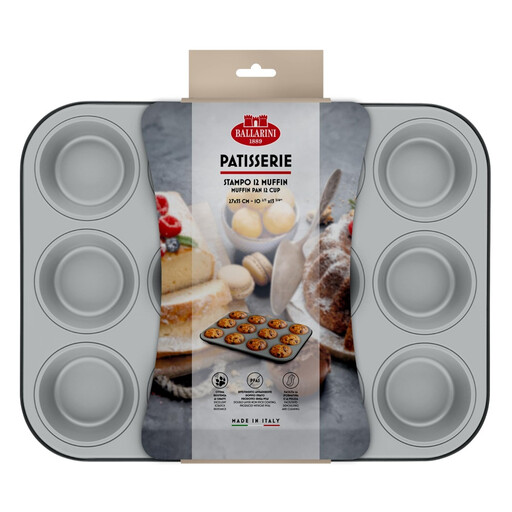
Why this product suits this profile: Twelve cups are ideal for families, meal prep and regularly baking sweet or savoury muffins.
The number of cups, external dimensions and maximum temperature of 230 °C are clearly stated. The tin is not designed for microwave use or direct heat.
Carbon steel, twelve round cups and a two-layer PFAS-free non-stick coating according to the product details.
We have put together a complete, regularly updated list of products that fully meet these strict selection criteria and the safety regulations applicable in the EU.
Even robust baking tins need to be handled correctly. Coated metal tins should be cleaned with warm water and mild washing-up liquid before first use. For many models, applying a small amount of fat afterwards is sufficient, depending on the recipe and the manufacturer’s instructions.
Also bear the following in mind:
For beginner bakers, a springform tin with a removable base is often practical because cakes do not need to be turned out. A baking tin set with several diameters offers additional flexibility. The key considerations are an easy-to-use fastening mechanism, clear size specifications and care requirements that suit your everyday routine.
It depends on the recipe. A silicone baking tin is lightweight, flexible and space-saving. Metal or carbon steel tins, on the other hand, are rigid and easier to handle when filling. A sturdy baking tray is generally recommended as a base for large silicone tins.
Their service life depends on the material, coating, temperature and cleaning method. Uncoated or enamelled stoneware can be used for many years with careful handling. With coated tins, scratches and overheating are common causes of wear. Hand washing and suitable kitchen utensils help keep the surface in good condition for as long as possible.