
Lieferung heute & morgen

Qualitätsgarantie

Willkommens-Angebote freischalten: KOSTENLOSE Lieferung | Bis zu 80 % RABATT | Kostenlose 30-Tage-JoyPlus-Testphase
App herunterladen
The right baking tin does more than just determine how your bake looks. Material, rim height, temperature range and cleaning all affect whether a cake bakes evenly, releases cleanly and remains practical in the long run. With budget-friendly offers in particular, unclear specifications can quickly lead to a poor purchase.
A tin described as "non-stick" won't necessarily handle every recipe without preparation. Sugar-rich batters, sticky fruits or delicate cakes can still stick despite the coating. With metal tins, a light greasing or using baking paper is often a good idea. What's more, metal utensils and abrasive scourers can damage the coating.
For ovenproof baking tins, the temperature range should be clearly stated. A container may be suitable for the oven, while a plastic lid is only intended for the fridge, freezer or microwave. Switching from very cold to very hot can also put stress on glass and ceramic. Information about temperature changes and open flames is therefore more important than marketing terms like "heat-resistant".
A cake tin with a large external length can hold significantly less batter than expected due to thick walls or a particular shape. For recipes, the internal measurement, height and volume are what matter. With a springform tin, you should also check whether the clasp seals tightly and whether the tin is suitable for liquid fillings.
Silicone baking tins are flexible, lightweight and space-saving. They can often be rolled or stacked and, depending on the product, are suitable for the oven, freezer and microwave. For tall or heavy batters, a sturdy tray or baking sheet is recommended. The specific temperature limit must be checked in the product description.
Carbon steel conducts heat directly and is relatively light compared to cast iron. A coating can make release easier, but requires gentle cleaning. Metal tins should generally not be used on a hob or over an open flame unless expressly stated.
Ceramic and porcelain retain heat and are ideal for individual desserts, casseroles and cream-based desserts. Before using in the oven, check the information on temperature resistance and sudden temperature changes. Plastic lids do not belong in a hot oven unless the manufacturer explicitly allows it.
A dishwasher-safe tin can save time in daily use. However, for coated carbon steel tins, hand washing with warm water and a soft sponge is often recommended. Silicone is usually straightforward to clean, but can absorb odours from strongly aromatic foods. Ceramic glazes should not be treated with harsh abrasives.
For families and small bakeries, a baking tin set is worth considering if you regularly need multiple portions or different formats. What matters is whether the tins are stackable and whether the quantity matches your actual needs.
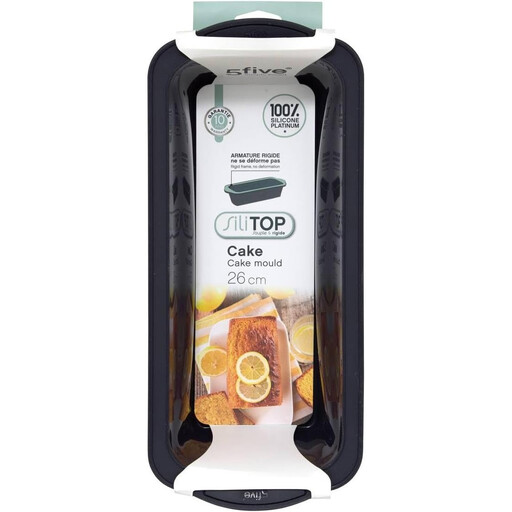
Why this product suits the profile: This loaf tin covers typical beginner recipes such as bread, pound cake and loaf cake, and requires little storage space.
The integrated steel frame stabilises the flexible silicone mould. This reduces deformation when transporting to the oven.
Capacity 1.59 litres; according to the product information, suitable for ovens up to 220 °C, freezers down to -20 °C and dishwasher-safe.
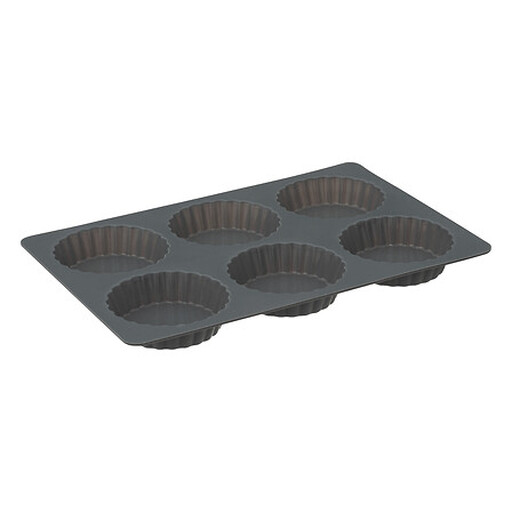
Why this product suits the profile: The shallow, rectangular shape measuring 37 × 22 × 3 cm is aimed at those who want to make tarts, quiches and shallow desserts with precision.
The specific internal dimensions make recipe selection easier. The flexible construction can be stored away to save space.
100% food-grade silicone according to the product description; stated as dishwasher-safe and suitable for the oven and freezer.
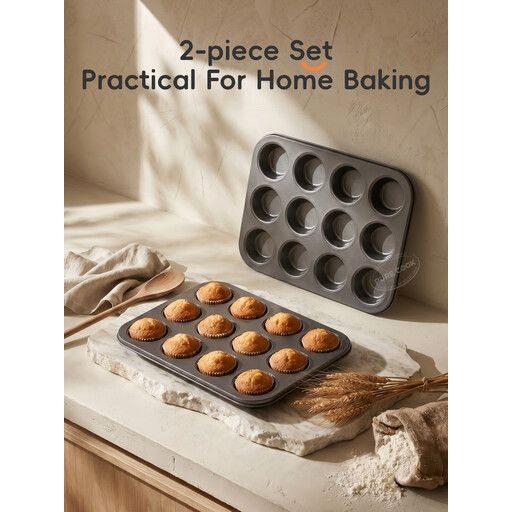
Why this product suits the profile: Two tins, each with twelve cavities, are designed for families, small dessert productions and catering with lots of individual portions.
The number of cavities is clearly stated. Hand washing with a soft sponge is recommended for the coating, which avoids abrasive cleaning.
Carbon steel, 12 cavities per tin and stackable design; suitable for muffins, mini cakes and small desserts.

Why this product suits the profile: The six larger porcelain dishes are ideal for individual portions, desserts, casseroles and storing prepared food.
The product information clearly separates the use of the porcelain dishes from the use of the plastic lids. The lids are not suitable for the oven and sudden temperature changes should be avoided.
Six pieces with a 12 oz capacity; dishes are suitable for the oven, microwave, freezer and dishwasher according to the product information.
We've put together a complete, regularly updated list of products that fully meet these strict selection criteria and the safety regulations in force in the EU.
For getting started, a versatile cake tin or loaf tin with clear size specifications is practical. Silicone is lightweight and space-saving, while carbon steel offers more stable handling. For delicate batters, a springform tin can be useful if the clasp closes properly.
The lifespan depends on the material, coating, temperature and cleaning. Coated tins should not come into contact with knives or metal spatulas. Silicone tins should not be pulled over sharp edges. If you notice visible cracks, peeling coating or warping, the tin should no longer be used for food.
This depends on the product. The temperature limits and appliances stated on the product are what matter. A tin that can be used in the oven up to 220 °C according to the description is not automatically approved for open flames or every microwave. Before buying, you should therefore check material, temperature range, capacity and care instructions together.