
Lieferung heute & morgen

Qualitätsgarantie

Willkommens-Angebote freischalten: KOSTENLOSE Lieferung | Bis zu 80 % RABATT | Kostenlose 30-Tage-JoyPlus-Testphase
App herunterladen
A baking tin needs to suit the recipe, the oven and the cleaning effort involved. In practice, however, unclear size specifications, overrated coatings and a lack of information about temperature resistance often lead to the wrong purchase. If you want to buy baking tins online, you should therefore pay attention not just to colour or brand name, but to verifiable product data.
The stated length does not always describe the actual usable baking surface. Handles, rim reinforcements and tapered sides can reduce the internal measurement. With a rectangular baking tin for traybakes or casseroles, it is therefore crucial to know whether the usable area and capacity are given.
A baking tin with a non-stick coating can make releasing baked goods easier. However, this does not protect the surface from metal utensils, abrasive scourers or excessive heat. Hand washing is often the more material-friendly choice, despite advertising claims to the contrary. Statements such as "dishwasher safe" should always be accompanied by the manufacturer's specific care instructions.
A tin may be suitable for the oven, but not for the microwave, hob or grill. Likewise, moving between the freezer and a hot oven depends on the material. With ceramic and stoneware, you should also avoid extreme temperature changes, as these can create stress.
A loaf tin with around 1 to 1.6 litres is suitable for smaller loaves, pound cakes or households with lower demand. For larger loaves or family portions, models with around 2.4 litres or a stated dough quantity of 1,000 to 1,500 grams are more appropriate. The tin should not be filled to the brim, as the dough rises during baking.
Look for specific information on:
A springform tin is particularly suitable for delicate cakes and tortes, while a quiche tin with a removable base can make transferring easier. For lasagne, gratins and casseroles, on the other hand, a spacious baking dish with a sufficiently high rim is sensible.
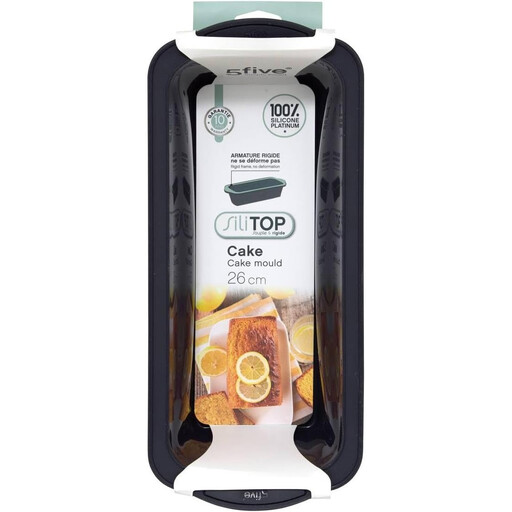
Why this product suits the profile: The combination of steel and silicone combines flexible release with an integrated sturdy frame. With 1.59 litres, this loaf tin is suitable for bread, pound cakes and similar baked goods.
The frame reduces the risk of the flexible tin distorting when filled. According to the product description, the temperature range is from -20 °C to 220 °C.
Dishwasher safe according to product information; intended for oven and microwave use.
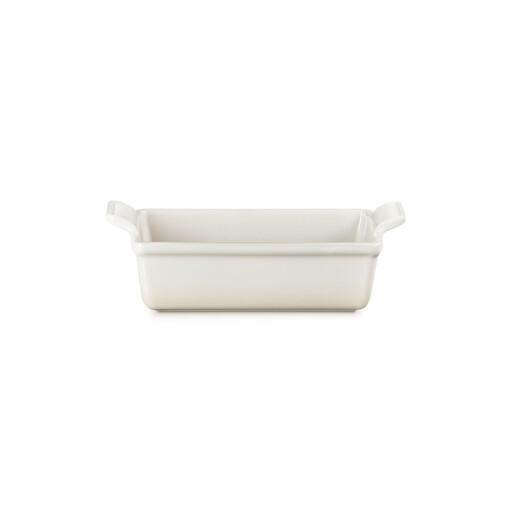
Why this product suits the profile: The glazed stoneware is designed for oven, microwave and freezer use. With a stated capacity of 1.25 litres, this rectangular baking dish is suitable for smaller oven dishes and desserts.
The temperature range is stated as -23 °C to 260 °C. Nevertheless, strong temperature changes should be avoided, as is usual with stoneware.
Glazed surface; integrated handles; dishwasher safe according to the product description.

Why this product suits the profile: According to the product information, this bread tin is designed for loaves up to 1,500 grams and, with a length of 35 cm, offers a larger volume for regular bread baking and cakes.
The shape stability is supported by extra-strong steel material. The stated heat resistance up to 250 °C provides a clear framework for use in a conventional oven.
Coated steel with an enamelled base; suitable for sweet and savoury baked goods; hand washing is recommended.
We have compiled a complete, regularly updated list of products that fully meet these strict selection criteria and the safety regulations in force in the EU.
For loaf bread and pound cakes, a loaf tin with the appropriate dough quantity is sensible. For smaller households, around 1 to 1.6 litres is often sufficient. If you bake loaves of 1,000 or 1,500 grams, you should compare the capacity and internal dimensions stated by the manufacturer.
That depends on the individual model. Some tins are expressly dishwasher safe, while others should only be cleaned by hand. Even with suitable products, hand washing can protect the coating in the long term. The care information on the product page takes precedence.
A baking dish usually has a higher rim and is designed for gratins, lasagne or savoury oven dishes. A cake tin is more specialised for batter, releasing and a specific cake shape. For quiche and tart, a quiche tin with a removable base can be more practical.