
Lieferung heute & morgen

Qualitätsgarantie

Willkommens-Angebote freischalten: KOSTENLOSE Lieferung | Bis zu 80 % RABATT | Kostenlose 30-Tage-JoyPlus-Testphase
App herunterladen
The right baking tin does more than determine how your bake looks. The material, temperature range, care requirements and storage space all affect whether a cake tin, muffin tin or silicone baking mould remains dependable for everyday use. Focusing only on attractive design or particularly easy cleaning often means overlooking important details.
A non-stick coating can make it easier to remove your bake. However, it will only remain intact if the manufacturer’s instructions are followed. Metal knives, forks, abrasive sponges and harsh cleaning products can damage the surface. Not all coated baking tins are suitable for the dishwasher either.
You should therefore look for specific information on hand washing, dishwasher suitability, maximum temperature and permitted kitchen utensils. A tin that requires hand washing is not automatically unsuitable – it simply needs different care.
“Heat-resistant” does not always describe the full range of possible uses. A baking tin may be suitable for the oven but not for hobs, induction, open flames or the grill. Silicone moulds usually also need a stable rack or baking tray underneath.
Check the following before buying:
A Bundt tin with a tall rim needs more space than a shallow tart tin. With a springform tin, the diameter must also match the recipe. A baking tin set with several sizes is practical if you regularly bake different types of cake, but it requires more storage space.
Stackable tins or flexible silicone models are worth considering for small kitchens. The key is to make sure that the external dimensions, internal capacity and height suit your oven and the quantities used in your usual recipes.
Carbon steel and steel conduct heat relatively directly and are particularly suitable for cakes, bread and muffins. Coated models should not be used with sharp or metal objects. Some tins must be washed by hand.
Silicone is flexible, lightweight and space-saving. Depending on the manufacturer’s instructions, a silicone baking mould can often be folded or rolled up and used in the oven, freezer or microwave. A firm support is useful when filling it, so that the mould does not lose its shape.
Ceramic and stoneware retain heat and can be used for both baking and serving. However, they are heavier and more susceptible to impact damage. Strong temperature changes should be avoided with ramekins and other ovenproof ceramic baking dishes.
A non-stick coating reduces the need for grease or baking paper, but it does not replace every preparation step. With intricate shapes such as a Bundt tin, lightly greasing it can be helpful. With silicone moulds, the result also depends on the batter, cooling time and careful release.
Follow the manufacturer’s cleaning instructions. According to the product description, the Ballarini PATISSERIE muffin tin features a PFAS-free, two-layer non-stick coating, is oven-safe up to 230 °C and is intended for hand washing.
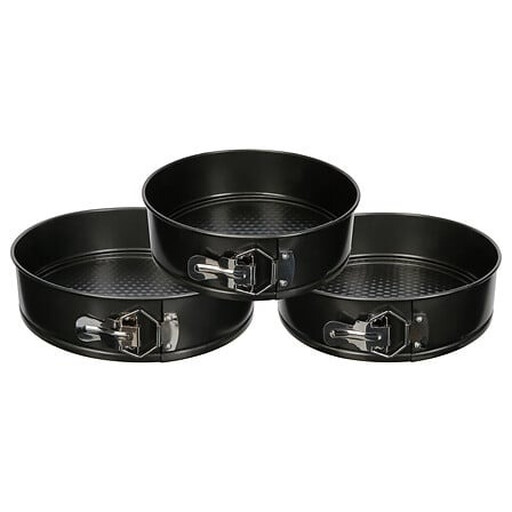
Why this product suits this profile: Three diameters of 22, 24.5 and 26 cm cover different cake quantities without requiring three separate purchases.
The sizes are clearly stated, making it easier to compare the tins with recipes and existing baking trays. The tins are stackable.
Steel construction with a non-stick coating, removable base and oven suitability up to 280 °C according to the product information.
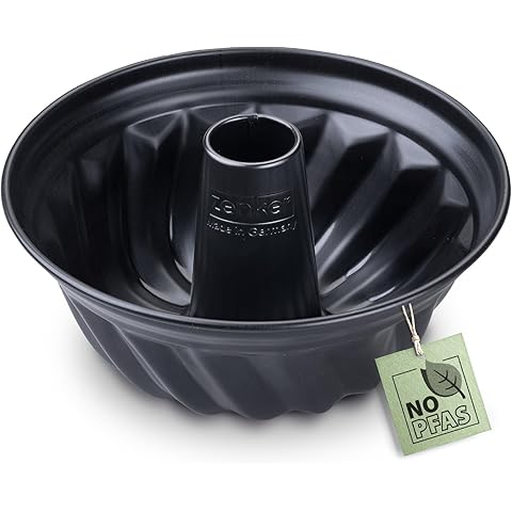
Why this product suits this profile: The 22 cm Bundt tin is designed for people who prefer a sturdy tin for tall cakes and consistently follow the care instructions.
The product information states a maximum temperature of 250 °C and requires hand washing. This makes the key usage limits clear and easy to understand.
22 cm diameter, 2.8 l capacity, enamelled base and KAIRAMIC non-stick coating according to the manufacturer’s information.
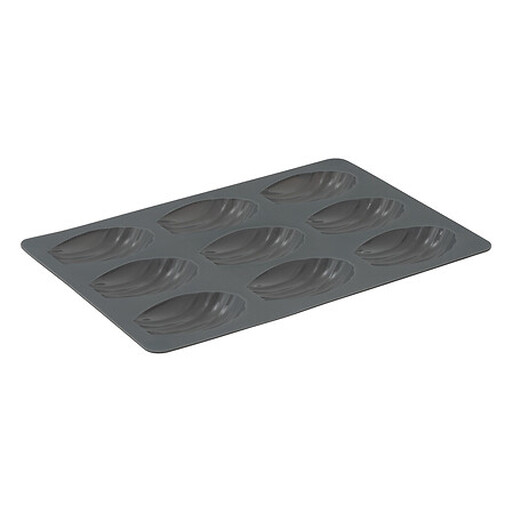
Why this product suits this profile: The shell-shaped mould is designed for madeleines, adding a specialised pâtisserie format to a collection of classic baking tins.
The dimensions of 36 × 21.5 × 2 cm are stated clearly. This lets you check in advance whether the model will fit on your baking tray and in your oven.
Food-grade silicone, a low weight of 50 g and, according to the product description, suitability for the oven, freezer and dishwasher.
We have put together a complete, regularly updated list of products that fully meet these strict selection criteria and the safety regulations applicable in the EU.
Wash new baking tins with warm water and mild washing-up liquid before using them for the first time. Allow metal tins to cool after baking before cleaning them. For coated models, soft sponges and heat-resistant plastic, wooden or silicone utensils are recommended.
Ceramic ramekins should be checked for cracks before use. Avoid moving them directly from the freezer into a hot oven unless the manufacturer expressly permits it. For all materials, the same rule applies: only handle hot tins with suitable oven gloves.
For a versatile introduction to baking, a springform tin with a standard diameter is a practical choice, as it can be used for many cake recipes. If you often prepare individual bakes, you could choose a 12-cup muffin tin instead. A baking tin set offers more sizes, but requires more storage space.
That depends on how you intend to use them. Silicone baking moulds are flexible, lightweight and space-saving. Metal tins offer a rigid construction and are particularly suitable when a firm edge or stable support is needed. The key factors are the temperature range, recipe and care instructions.
There is no universal lifespan. It depends on the material, coating, frequency of use and cleaning method. Coated baking tins should be replaced if the surface visibly flakes or starts to peel away. With ceramic, cracks and chips are important warning signs; undamaged silicone moulds can be used for a long time when cared for properly.