
Lieferung heute & morgen

Qualitätsgarantie

Willkommens-Angebote freischalten: KOSTENLOSE Lieferung | Bis zu 80 % RABATT | Kostenlose 30-Tage-JoyPlus-Testphase
App herunterladen
Whether you need a springform tin, a loaf tin or a baking accessories set, the range of baking tins and baking accessories is vast, and the differences are often in the details. Hobby bakers, families and baking beginners often look first at the price or an appealing product image. However, what really matters for everyday use is the material, dimensions, care instructions and whether the tin is suitable for your own oven.
A non-stick coated baking tin can make it easier to release cakes and bread. Nevertheless, the coating should not come into contact with metal utensils, scouring pads or harsh cleaning agents. For several of the tins included in this selection, hand washing with warm water and a soft sponge is recommended. Dishwasher suitability must therefore be explicitly stated in the product details.
Many carbon steel baking tins and silicone baking moulds are intended exclusively for the oven. They should not be used on gas hobs, induction hobs or open flames. Likewise, an ovenproof ceramic dish is not automatically suitable for extreme temperature changes. If a cold tin is placed directly into a heavily preheated oven, or subsequently placed on a cold work surface, the material can be damaged.
A comprehensive baking tin set offers various sizes and shapes. However, it requires more storage space and individual pieces may rarely be used. Before buying, it’s worth asking: do you mainly bake round cakes, bread, desserts or small savoury portions? For a clear purpose, a single baking tin can be more sensible than a complete set.
Carbon steel conducts heat relatively evenly and is lighter than cast iron. This material is suitable for bread, cakes and savoury baked goods, provided the tin is explicitly approved for oven use. For coated models, the stated maximum temperature should be observed.
Ceramic and porcelain retain heat and are suitable for casseroles, soufflé dishes, crème brûlée dishes and portion desserts. Ramekins are particularly versatile, but should be protected from sudden temperature changes.
Silicone can be stored space-savingly and can make releasing baked goods easier. For a silicone baking mould, check the temperature range, shape stability and suitability for your own oven. For very runny batters, a sturdy baking tray underneath can be helpful.
A tin with a 26 cm diameter won’t automatically fit on every baking tray or into every small compact oven. For rectangular models, the length, width and height all matter. The rectangular springform tin from 5five, for example, measures 31 × 12 cm and is suitable for oblong cakes, cheesecakes and brownies.
Even with a loaf tin set, you should measure the interior of your oven. There should be enough space between the tin and the oven wall for air circulation.
Before buying, the following details should be clear:
For cast iron, such as a takoyaki pan, seasoning or care with a suitable oil may be required before first use. Wooden handles should not be soaked.
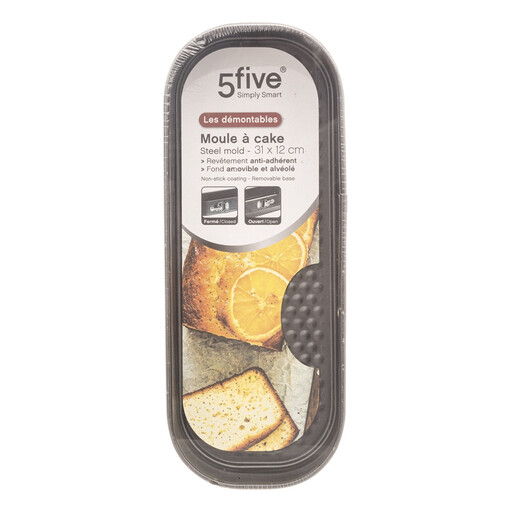
Why this product suits the profile: The oblong springform tin is designed for cakes, cheesecakes and brownies, and doesn’t require extensive accessories to get started.
The removable base and locking mechanism help with controlled release of delicate baked goods. The care instructions recommend hand washing, which helps protect the coating.
31 × 12 cm; non-stick coated surface; rectangular shape for oblong cakes and desserts.
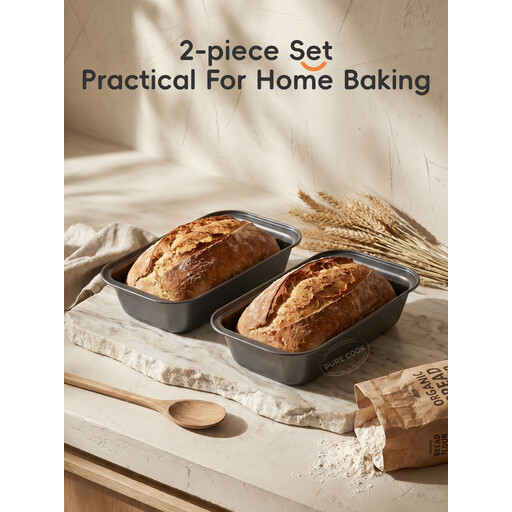
Why this product suits the profile: Two square loaf tins support regular baking of toast, wholemeal bread, cakes or meatloaf in your home oven.
The product details clearly limit use to the oven. The tins are not intended for microwave, hob, induction or charcoal grill.
Carbon steel; set of 2 tins; stated coating resistance up to 220 °C; hand wash.
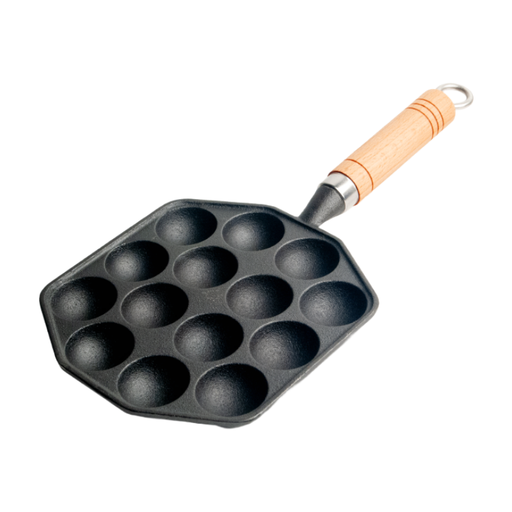
Why this product suits the profile: The cast iron takoyaki pan is aimed at households wanting to prepare Japanese snacks, filled dough balls and small portions.
The details state the hob as the usage area and mention seasoning and thorough drying. The wooden handle should not be soaked.
Cast iron; even heat distribution; natural wooden handle; dimensions 27.5 × 18 × 1.5 cm.

Why this product suits the profile: The porcelain dishes are suitable for crème brûlée, soufflés, quiches, casseroles and storing individual portions.
The product description distinguishes between ovenproof porcelain dishes and plastic lids. The lids are not intended for open flames; extreme temperature changes should be avoided.
6 porcelain dishes with 12 oz; lids with date indicator; according to product details, suitable for oven, microwave, dishwasher and freezer.
A baking accessories set with a scraper, brush and whisk covers the basic steps of mixing, portioning and spreading. For households with limited storage space, a compact three-piece set can be a sensible choice. If you regularly try out different recipes, you might also look for measuring jugs, baking paper, cooling racks and heat-resistant oven gloves.
For smaller desserts, 8 oz ramekins are more manageable than larger dishes. The 12 oz version with lids, on the other hand, is designed for larger portions and prepared meals. With a springform tin, a securely closing rim is important; with a loaf tin, the internal dimensions and maximum temperature are particularly crucial.
We have compiled a complete, regularly updated list of products that fully meet these strict selection criteria and the safety regulations in force in the EU.
A springform tin with a removable base is suitable for many classic cakes. A clear size specification and easy-to-understand care instructions make getting started easier. For coated tins, avoid using metal utensils.
The lifespan depends on the material, usage and cleaning. Coated baking tins can remain functional for longer with gentle hand washing, moderate temperatures and suitable kitchen tools. Ceramic and cast iron need protection from knocks and extreme temperature changes.
Not as a rule. Some products are explicitly dishwasher safe, while others should only be cleaned by hand. The respective manufacturer’s instructions are decisive. If in doubt, hand washing with warm water and a soft sponge is the more material-friendly approach.