
Lieferung heute & morgen

Qualitätsgarantie

Willkommens-Angebote freischalten: KOSTENLOSE Lieferung | Bis zu 80 % RABATT | Kostenlose 30-Tage-JoyPlus-Testphase
App herunterladen
Whether it’s cake, torte, bread, muffins or steamed dishes: with baking tins and baking accessories, it’s not just the design that determines everyday practicality. Material, dimensions, coating and care instructions all influence whether a tin gets regular use or ends up gathering dust in the kitchen cupboard.
Home bakers, families, baking beginners, as well as small bakeries and baking courses, should pay particular attention to three typical pitfalls before making a purchase.
“Non-stick” doesn’t mean every tin is scratch-resistant or dishwasher-safe. Metal kitchen tools, scouring pads and harsh cleaners can damage the surface. Without clear care instructions, it’s hard to assess how long the tin will last.
Look for specific guidance such as hand wash only, soft sponge and a maximum temperature. With coated tins, you should also avoid cutting the batter directly in the tin using sharp knives.
A springform tin works well for many tortes and cheesecakes, but it isn’t automatically suitable for every recipe. A cake tin with a removable base makes it easier to release delicate bases, while a loaf tin is designed for bread, toast or pound cakes.
Height also matters: a shallow tin may be fine for brownies, whereas a tall pound cake needs more volume. So always check length, width, diameter and height, and compare these with your oven.
A set of baking tins may offer several sizes, but it won’t always include the baking utensils you need. Conversely, a baking accessory set with a whisk, dough scraper and brush may seem practical, but it doesn’t replace a suitable tin.
Before buying, be clear about what tasks you need to cover: baking cakes, shaping bread, portioning muffins, lining baking trays, or using steaming paper for steamed doughs.
Carbon steel conducts heat relatively evenly and is lighter than cast iron for many baking tins. With coated versions, releasing baked goods can be easier. However, the coating only lasts with proper care.
With a non-stick coated baking tin, you should bear the following in mind:
A tin should only be used within its specified range. For the products listed below, different limits apply depending on the model: the 5Five set of three springform tins is suitable for the oven up to 280 °C according to the product details. The PURECOOK loaf tin set states a maximum coating temperature of 220 °C. The eight-piece PURECOOK set is described as suitable for the oven and not for microwave, hob, induction or charcoal grill.
Such details are more important than general marketing claims. Additionally, buyers should check whether an EU responsible person and manufacturer information are provided. The instructions on the respective product page remain definitive.
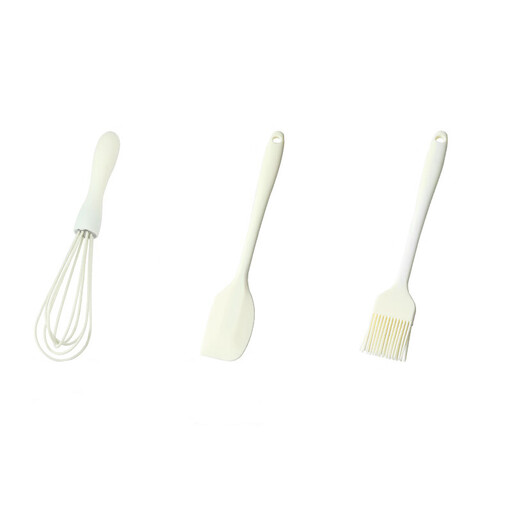
Why this product suits the profile: The set brings together three essential baking utensils for dough, glazes and greasing tins. It’s ideal for households that want practical tools first, rather than a large collection.
The individual items are clearly named. This means beginners don’t buy an accessory set with an unclear composition.
Three clearly described tools; suitable as a compact starter set.
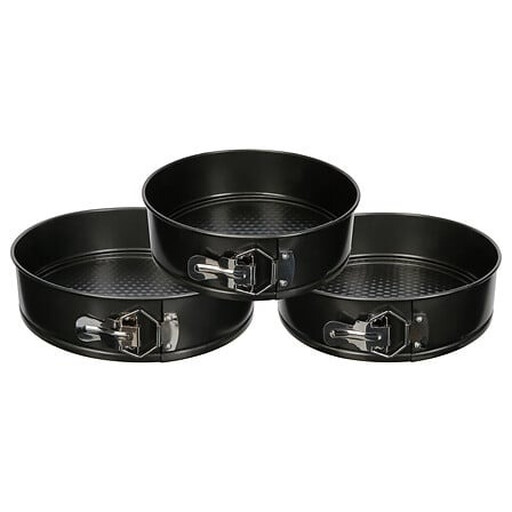
Why this product suits the profile: Three sizes – 22 cm, 24.5 cm and 26 cm – cover different cake quantities. The clamp mechanism and removable base are practical for delicate cakes.
The three diameters and the stated oven suitability up to 280 °C make the choice clear, rather than just advertising with a vague set promise.
Three stackable sizes; steel with non-stick coating and removable base.
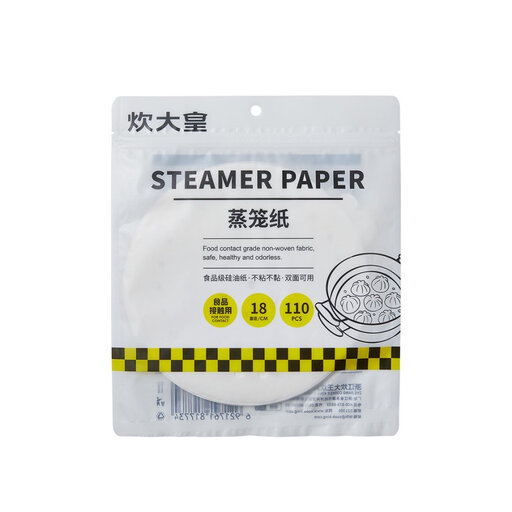
Why this product suits the profile: The round liners with an 18 cm diameter are designed for steamed dishes such as baozi or yeast dumplings. The pack of 110 is suitable for regular use.
Diameter, quantity and disposable nature are clearly stated. Before use, buyers should check suitability for their own steamer basket.
110 liners; stated diameter of 18 cm; practical for steamed doughs.
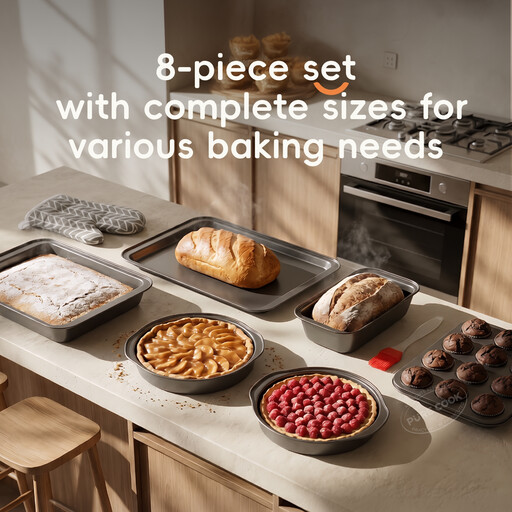
Why this product suits the profile: The set includes several square and rectangular tins for cakes, brownies, toast, pizza and savoury bakes. The stackable design allows for space-saving storage.
The description clearly states the included tins, usage limits and hand washing. This reduces the risk of buying a set for unsuitable hob types.
Eight pieces; stackable; designed for both sweet and savoury oven dishes.
For everyday household use, a 30 cm wide, 10 m long roll of baking paper can be a flexible addition. It can be cut to size for baking trays, loaf tins, air fryers and steamer baskets. Always check the temperature limit of the product before use, and avoid direct contact with heating elements.
For families, baking courses or small sales events, 500 muffin cases are worth considering if you regularly bake individual portions. With a loaf tin, however, the focus should be on internal dimensions, shape stability and cleaning. The PURECOOK set of two square loaf tins is described as suitable for toast, pound cakes and other oven dishes, and should be hand washed with warm water and a soft sponge.
We’ve put together a full, regularly updated list of products that fully meet these strict selection criteria and the safety regulations in force in the EU.
A springform tin with a removable base is versatile and makes releasing many cakes easier. For beginners, clear size specifications, a clear temperature limit and simple hand washing are also important. A small baking accessory set with a dough scraper, brush and whisk can complement the basic equipment.
The lifespan depends on the material, usage temperature and care. Use soft sponges, avoid metal tools and allow the tin to cool before unmoulding. Visible scratches, peeling coating or warping are signs that the tin should no longer be used for food.
Not every paper is approved for both uses. Baking paper should only be used within the stated temperature range. Steaming paper must be suitable for the specific steaming method and the size of the steamer basket. The instructions on the product packaging and product page are definitive.