
Lieferung heute & morgen

Qualitätsgarantie

Willkommens-Angebote freischalten: KOSTENLOSE Lieferung | Bis zu 80 % RABATT | Kostenlose 30-Tage-JoyPlus-Testphase
App herunterladen
The right baking tin doesn’t just determine how your cake looks. The material, closure, coating and size all affect whether your bake releases cleanly, bakes evenly, and whether the tin stays in good shape after repeated use. If you focus solely on a bargain price or a glossy product description when buying, you can easily overlook important details.
A round baking tin with a 26 cm diameter doesn’t automatically hold the same amount as a rectangular tin with a similar external width. The height and volume will alter the baking time and the amount of batter you need. With a cake tin or springform tin, you should also check whether the measurement refers to the inside or the outside.
A baking tin with a non-stick coating can make releasing and cleaning easier. However, it will only stay functional if the coating isn’t damaged by metal knives, scouring pads or excessively high temperatures. Claims like “dishwasher-safe” should also be read carefully: on some models, this only applies to the base, not the ring or the entire tin.
A baking tin with a removable base is practical for tarts and quiches, as delicate bases are easier to release. However, with runny batter, a leaky seal can become a problem. For cheesecakes, sponge mixtures or other wet batters, a springform tin with a secure closure or an additional seal is usually a better choice.
Steel and carbon steel are dimensionally stable and conduct heat reliably for most baking applications. Aluminium is lightweight and responds quickly to temperature changes, but can be more delicate if cleaned incorrectly. Silicone moulds are flexible and space-saving; for very runny batters, a sturdy baking tray underneath is recommended.
A thicker material construction can improve stability. However, the manufacturer’s specific heat resistance rating remains the deciding factor. An oven-safe baking tin is not automatically suitable for hobs, open flames or induction hobs. The oven, microwave, hob and grill function must be considered separately.
Before buying, it’s worth checking the care instructions. Hand washing with mild washing-up liquid and a soft sponge often protects coatings better than harsh cleaning agents. For tins with a removable base or closure, all individual parts should be dried thoroughly after washing.
Manufacturer information on warranty, temperature limits and materials is more reliable than general advertising claims. If you notice visible cracks, peeling or deep scratches in the coating, the tin should no longer be used.
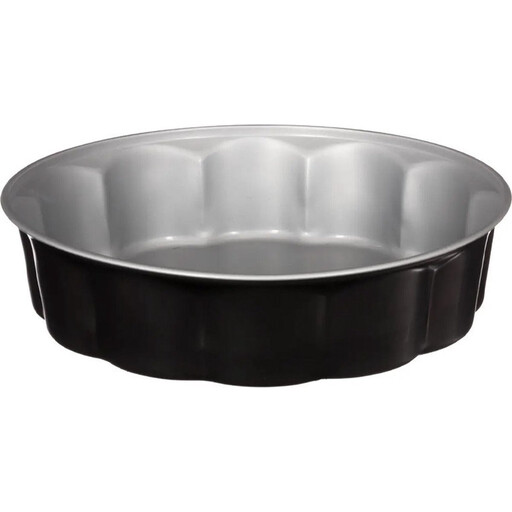
Why this product fits the profile: This round 26 cm cake tin covers typical household recipes and requires no complicated mechanism. It’s ideal for everyday family cakes.
The product details state 26 cm diameter, 6.5 cm height, steel and a non-stick coating. The care instructions explicitly recommend hand washing.
Standard round size, steel construction and designated oven use; not intended for microwave or dishwasher.

Why this product fits the profile: This 28 cm springform tin is designed for classic tortes and cakes. The SafeClick closure, leak-proof design and enamelled base are relevant functional features.
The specifications state a temperature limit of 250 °C and note that only the base is dishwasher-safe. This reduces misuse caused by unclear care promises.
28 cm diameter, 3.4 l capacity, coated steel and a scratch-resistant base according to the product description.

Why this product fits the profile: This 30 cm loaf tin is designed for loaves of bread up to around 1 kg, as well as pound cakes. It’s aimed at households that regularly bake bread and sweet bakes.
The product description states steel, an enamelled base, hand washing and heat resistance up to 250 °C. This clearly defines usage and care.
30 × 10 × 8.51 cm, capacity for approximately 1 kg of bread and coated steel with an enamelled base according to the product data.
We’ve put together a complete, regularly updated list of products that fully meet these strict selection criteria and the safety regulations in force in the EU.
For sponge cakes, cheesecakes and cake layers, a round baking tin or a springform tin with a diameter of 24 to 28 cm are standard sizes. You should try to stick to the tin size specified in a recipe, otherwise the height and baking time will change.
The lifespan depends on the material thickness, coating, temperature and care. Wooden, silicone or plastic utensils protect coated surfaces. A tin should not be used above its stated temperature and should be checked for damage after each use.
This depends on the model. Some tins can go fully in the dishwasher, while on others only the removable base is suitable. The manufacturer’s instructions take priority. Hand washing with a soft sponge is often the gentler option for coated baking tins.