
Lieferung heute & morgen

Qualitätsgarantie

Willkommens-Angebote freischalten: KOSTENLOSE Lieferung | Bis zu 80 % RABATT | Kostenlose 30-Tage-JoyPlus-Testphase
App herunterladen
Baking tins are part of the basic equipment in many German households. Even so, buying one often leads to problems: the tin does not fit in the oven, the coating loses its effectiveness after a short time or the stated size does not match the actual usable baking surface. If you are looking for baking tins for regular use, you should therefore consider more than just the colour, brand or a low price.
A rectangular baking tin measuring 36 × 24 cm does not automatically provide a baking surface of this size. The rim height, rounded corners and a removable base can affect the usable volume. Before buying, you should therefore compare the external dimensions, internal dimensions and capacity.
The size of your oven is also important. A large cake tin or baking tray may come into contact with the oven walls, shelf runners or door. For households with more compact appliances, smaller dimensions are often more practical.
A non-stick baking tin can make it easier to remove cakes, bread or gratins. However, the coating remains sensitive to metal utensils, abrasive cleaners and sudden changes in temperature. Some tins are intended for hand washing only, while others are labelled as dishwasher-safe.
It is important to follow the care instructions for the individual product. Even a dishwasher-safe tin may last longer if it is cleaned with a soft sponge and mild washing-up liquid.
The maximum temperature generally refers to use in the oven. This does not mean that the tin can be used on a hob, gas flame or induction hob. Coated steel tins in particular require a clear distinction between oven use and suitability for use on a hob.
Steel is dimensionally stable in many baking tins and is suitable for bread, cakes and savoury baked goods. Aluminium is often lighter and can distribute heat evenly. A steel tin with an enamelled base combines a robust bottom surface with a coated interior. Stainless steel is corrosion-resistant and, depending on the design, may be dishwasher-safe.
For a bread tin, sturdy sides and a suitable height are also important. A very thin tin may give way more easily when used with heavy dough. For gratins and bakes, capacity, rim height and even heat distribution are particularly important.
With a rectangular baking tin, you should also check whether the rim is straight or slightly sloped. A removable base makes it easier to release delicate baked goods, but very runny mixtures may require additional sealing or baking paper.
Coatings make it easier to remove baked goods and reduce cleaning time. However, they do not always eliminate the need for greasing. With delicate mixtures, a thin layer of fat or baking paper may still be useful.
The following simple rules will help extend the product’s service life:
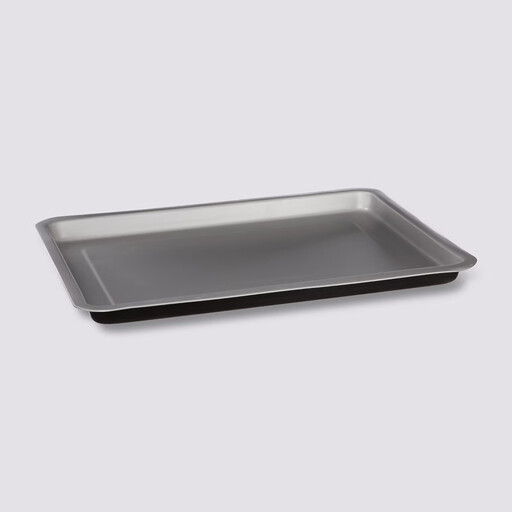
Why this product suits this profile: This rectangular baking tray is ideal for households looking for a simple option for biscuits, flat cakes or oven-baked dishes. According to the product details, it measures 40 × 35 × 2,5 cm and is intended for use in the oven.
The stated dimensions and metal construction make it easier to compare the tray with your own oven. The recommended hand washing takes the delicate surface into account.
Rectangular design, metal construction and a height of 2,5 cm for flat baked goods and oven dishes.

Why this product suits this profile: This loaf tin is designed for loaves weighing up to 1.000 g and, according to the product details, can also be used for cakes. The enamelled base and KAIRAMIC coating are designed for regular use.
The maximum oven temperature of 250 °C is clearly stated. Hand washing is also expressly recommended, making it easier to assess the care requirements realistically before buying.
Dimensions of 30 × 10,01 × 8,51 cm, steel with an enamelled base and a manufacturer’s stated 10-year guarantee on the non-stick coating.
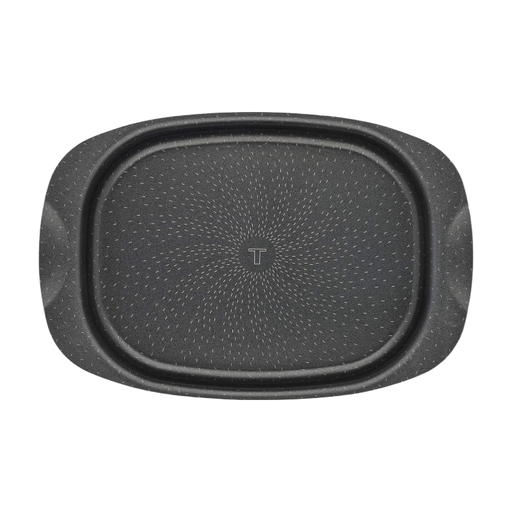
Why this product suits this profile: With a capacity of 4,75 litres, this rectangular baking dish is designed for lasagne, gratins, pasta bakes and larger portions. The lid is useful for storage and transport.
The capacity is clearly stated, preventing a shallow cake tin from being confused with a deep baking dish. Hand washing is recommended for the coating.
Made from 100% recycled aluminium according to the product details, measuring 36 × 24 × 5,5 cm and supplied with a matching lid.
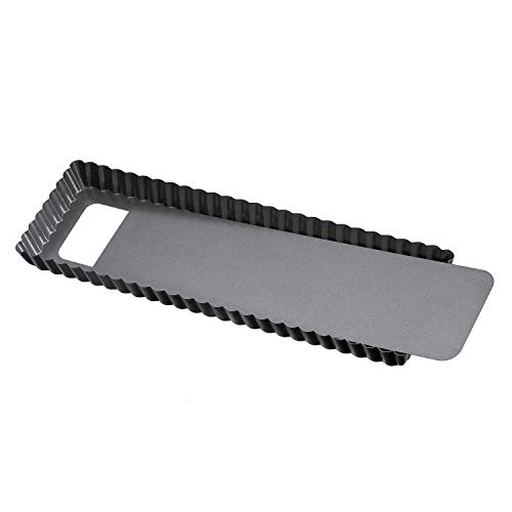
Why this product suits this profile: Measuring 35 × 13 cm and featuring a removable base, this elongated tart tin is designed for quiches, tarts and flat cakes.
With a capacity of one litre and a height of around 3 cm, this tin is clearly a shallow baking tin. This prevents it from being bought accidentally for tall cakes or bread.
Enamelled removable base, steel construction and stated heat resistance up to 250 °C.
We have compiled a complete, regularly updated list of products that fully meet these strict selection criteria and the safety regulations applicable in the EU.
Before baking for the first time, new bread and cake tins should be cleaned with warm water and mild washing-up liquid. With coated models, light greasing is often advisable despite the non-stick function. The tin should be allowed to cool completely before it is washed. Soaking can help remove stubborn residue, whereas sharp tools may damage the surface.
If you often bake for several people, you should also consider stackable dimensions and suitable capacity. Larger baking dishes or trays are practical for families, while a loaf tin can often be used more flexibly in smaller households.
A sufficiently tall loaf tin or a dedicated bread tin is suitable for baking bread. The key considerations are the internal dimensions, capacity and permitted oven temperature. A dimensionally stable construction is recommended for heavy doughs.
This depends on the individual product. Some tins can be put in the dishwasher, while others are expressly intended for hand washing only. The care instructions should be checked before buying. Hand washing with a soft sponge can help protect the coating regardless of the manufacturer’s approval.
It is not possible to give a general service life. This depends on the material, coating, temperature, frequency of use and cleaning method. Avoiding metal utensils, abrasive cleaners and naked flames helps reduce typical damage to coatings and the body of the tin.