
Lieferung heute & morgen

Qualitätsgarantie

Willkommens-Angebote freischalten: KOSTENLOSE Lieferung | Bis zu 80 % RABATT | Kostenlose 30-Tage-JoyPlus-Testphase
App herunterladen
Whether you need a cake tin, bread tin or gyoza mould, choosing the right mould affects ease of use, baking results and cleaning. Many disappointing purchases are not caused by missing features, but by unclear information about the material, size and care requirements. Flexible moulds without sufficient stability are a common choice, as are coated models that are later put in the dishwasher despite the manufacturer’s instructions.
This guide explains what home bakers in Germany should look for when choosing baking tins and kitchen moulds. Rather than making blanket quality judgements, it focuses on clear criteria and suitable use cases.
Silicone baking moulds are easy to store and often make it easier to release baked goods. However, a soft mould can tip or become misshapen when being carried to the oven if it contains a heavy batter. A sturdy rim, steel reinforcement or a baking tray underneath provides greater stability.
This is particularly important with a muffin tin featuring several cavities: the mould should already be standing securely while you are pouring in the batter. A solid base is always recommended for very runny mixtures.
A non-stick baking tin can make it easier to remove baked goods. This does not automatically mean that the entire product is dishwasher-safe. With some springform tins, for example, only the base may be suitable for the dishwasher, while the ring and fastening mechanism must be washed by hand.
Silicone moulds, on the other hand, are often dishwasher-safe baking moulds. The specific care instructions always take priority. Harsh detergents, abrasive sponges and metal utensils can damage coatings.
A 30 cm loaf tin holds considerably more batter than a smaller model. If you use a recipe intended for a different size, the baking time and filling height may vary. With a springform tin, tart tin or Madeleine mould, you should therefore consider the internal dimensions, external dimensions and capacity separately.
Steel conducts heat differently from silicone. A steel tin can help maintain a stable shape when baking bread, sponge cakes and products with a substantial crust. Silicone is flexible and lightweight, making it practical for chilled desserts, mousses and delicate cakes.
Look for a clearly stated temperature range. Examples from the product selection include:
These limits should not be exceeded. A mould designed for oven use is not automatically suitable for a hob, open flame or induction hob.
The mould should suit both the recipe and the portion size you want:
Japanese dishes require different dimensions: a gyoza mould should match the size of the pastry wrappers. A sushi mould helps you make evenly shaped maki rice rolls, while an onigiri mould creates triangular rice snacks in different portion sizes.
Before buying, check whether the product is intended for hand washing or dishwasher cleaning. With coated steel tins, gentle handling often extends their service life. Use wooden, plastic or silicone utensils and allow the tin to cool before cleaning it.
Silicone also benefits from thorough cleaning, as traces of fat and sugar can remain in textured cavities. Although the material can be folded or rolled, it should not be stored in a permanently deformed position beneath heavy objects.
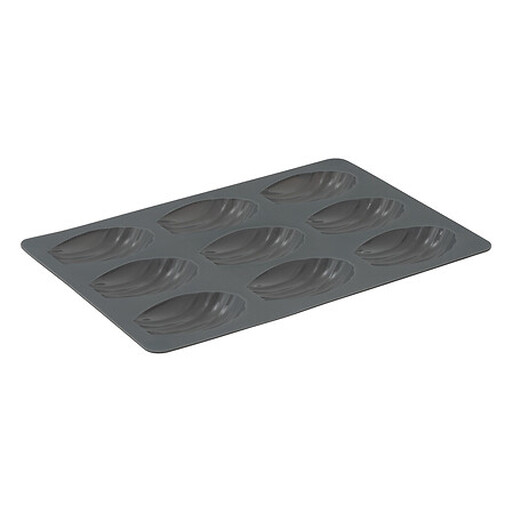
Why this product suits this use case: The compact mould features several shell-shaped cavities for Madeleines, as well as small chocolate or pastry creations.
The flexible silicone mould is designed for easy release and, according to the product information, is dishwasher-safe. For greater stability, it should be placed on a baking tray.
100% food-grade silicone according to the product description; dimensions of 36 × 21,5 × 2 cm and flexible storage.
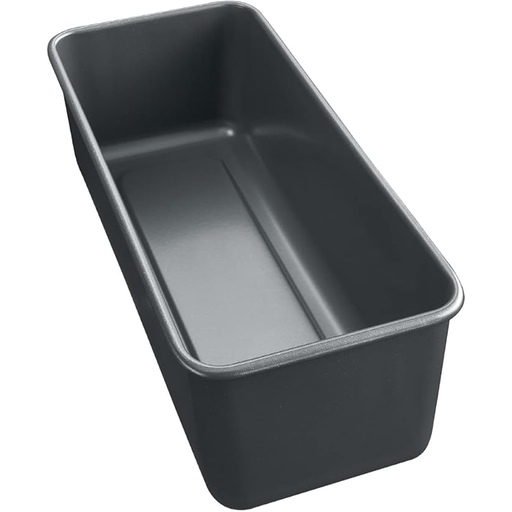
Why this product suits this use case: This sturdy loaf tin is aimed at people who regularly bake bread, sourdough products or loaf cakes.
The steel body provides stability. The manufacturer’s information specifies an enamelled base, acid resistance and hand washing rather than dishwasher cleaning.
Dimensions of 30 × 11 × 8 cm, capacity of 2,4 l, non-stick coating and oven suitability up to 250 °C according to the product information.
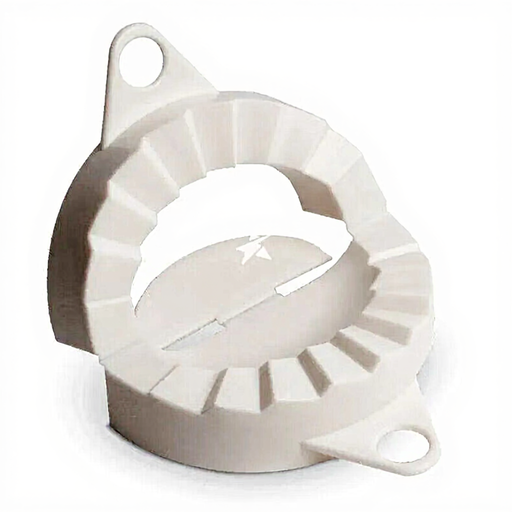
Why this product suits this use case: The mould helps you fill and seal gyoza evenly, making it a practical choice for fans of Japanese cuisine.
The stated dimensions of 11,2 × 9 cm make it easier to match the mould to standard gyoza pastry wrappers. It is designed for repeated preparation.
A simple process: place, fill, fold and press; suitable for gyoza cooked in a frying pan, steamer or saucepan.
We have put together a complete, regularly updated list of products that fully meet these strict selection criteria and the safety regulations applicable in the EU.
For families, a baking tin set with several sizes can be a practical choice. A three-piece springform set measuring 22, 24,5 and 26 cm covers a range of cake sizes and can be stored nested together. For smaller portions, heart baking moulds or a six-piece tartelette mould are ideal.
If you want to prepare Japanese snacks, you can combine a sushi mould for rectangular maki rice rolls with an onigiri mould. When cleaning, note the difference: according to the product information, the maki mould must be washed by hand, while the care instructions for other kitchen moulds may vary.
A simple loaf tin or muffin tin is usually easy to use. For delicate cakes, a springform tin with a removable side offers practical advantages. Silicone moulds should be placed on a stable baking tray when being filled.
There is no single service life that applies in every case. It depends on the temperature, cleaning method and utensils used. Damaged coatings, scratches or flaking areas are reasons to stop using the tin. Wooden and silicone utensils, as well as hand washing, can help protect the surface.
No. Many silicone baking moulds are designed for this, but you should check the information for the specific model. Coated steel tins often require hand washing, while with springform tins only the base may be dishwasher-safe. The manufacturer’s instructions always take priority.