
Lieferung heute & morgen

Qualitätsgarantie

Willkommens-Angebote freischalten: KOSTENLOSE Lieferung | Bis zu 80 % RABATT | Kostenlose 30-Tage-JoyPlus-Testphase
App herunterladen
Whether you are making a cake, gratin, lasagne or meal prep, baking tins and oven dishes need to suit the recipe, your oven and your everyday routine. Many disappointing purchases are not caused by the price, but by unclear temperature specifications, incorrect dimensions or a coating that does not match your preferred cleaning method.
This buying guide explains what keen home bakers, families and passionate cooks should look for in an ovenproof dish. The selection is based on clear product features such as material, capacity, temperature range and care requirements.
A baking tin may be ovenproof but unsuitable for use in the microwave, on the hob or under the grill. With a glass baking dish, it is also important to check whether the manufacturer specifies a temperature range and provides guidance on thermal shock. Depending on the material, placing a cold dish straight into a very hot oven can be problematic.
Lids are also frequently overlooked: with ovenproof glass storage containers, it is often only the container itself that is suitable for use in the oven. Plastic lids must be removed before using the container in the oven or microwave.
A non-stick coating can make it easier to remove cakes or baked dishes. However, it is not automatically dishwasher-safe. Metal utensils, scouring pads and harsh cleaning products can damage the surface.
If easy cleaning is a priority, look specifically for products described as “dishwasher-safe”. With coated baking tins, hand washing with a soft sponge is often the recommended care method.
A cake tin with a diameter of 24 cm, a loaf tin measuring 30 cm in length and a deep oven dish with a capacity of 3.8 litres are designed for different quantities. In addition to length and width, height, internal dimensions and capacity are also important.
For family meals, the dish should be deep enough to prevent liquids from overflowing. For tarts, quiches or shallow cakes, a low-sided tart tin is more practical.
Before buying, check whether the dish is ovenproof for your intended use and find out the maximum temperature it can withstand. Specifications may vary between components: a glass dish, for example, may be suitable for use up to 400 °C, while the plastic lid must not be put in the oven.
For microwave use, the dish must be explicitly described as microwave-safe. A carbon-steel baking tin or cast-iron dish is generally not intended for this purpose. The same applies to induction hobs: only products with a corresponding manufacturer’s specification should be placed directly on the hob.
“Dishwasher-safe” is a useful specification, but it does not replace checking the care instructions. Coated dishes may lose surface quality through frequent dishwasher cleaning. Glass and glazed stoneware are often easy to use in everyday life, provided they are not exposed to sudden temperature changes.
If you want to store food after baking, choose an ovenproof storage container with a suitable lid. Before heating, the lid must be removed if it is not explicitly ovenproof.
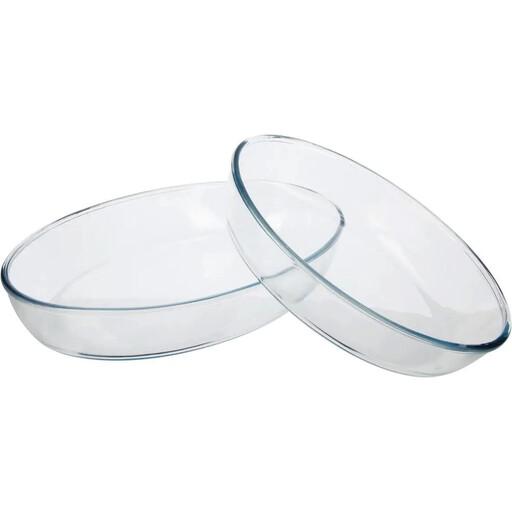
Why this product suits the profile: Two oval glass dishes measuring 26 × 18 cm and 35 × 25 cm cover individual portions and larger baked dishes. According to the product details, the dishes are ovenproof up to 300 °C, microwave-safe and dishwasher-safe.
The different sizes reduce the risk of using an oven dish that is too small or too large for the recipe. The transparent design makes it easier to monitor the food while it bakes.
Two sizes, glass construction, freezer suitability and suitability for the oven, microwave and dishwasher according to the product description.
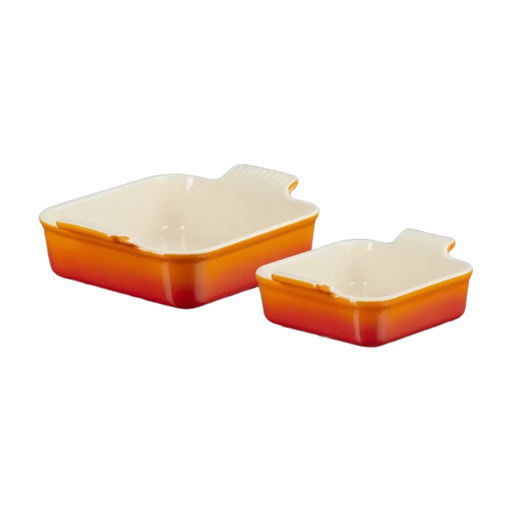
Why this product suits the profile: Enameled stoneware, two square sizes of 13 and 20 cm, and side handles make these dishes suitable for desserts, side dishes and gratins. The stated temperature range is from −18 to 260 °C.
The clearly stated temperature limits make it easier to plan moving the dishes between the freezer and oven. Suitability for the microwave and dishwasher is also specified.
Two sizes, a glazed surface, tall sides and stated suitability for the oven, microwave, freezer and dishwasher.
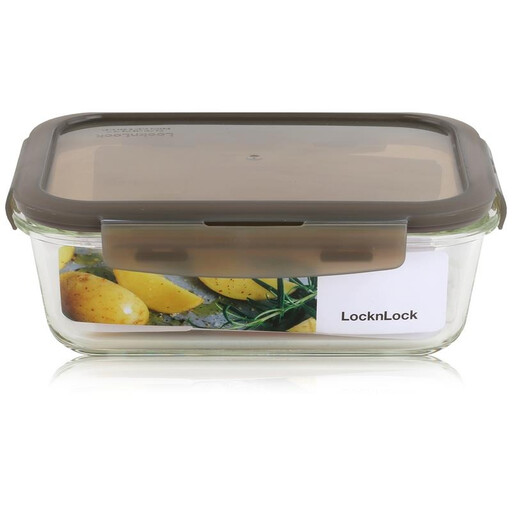
Why this product suits the profile: The glass container combines storage, reheating and serving. According to the product details, it is ovenproof up to 400 °C without the lid, suitable for freezing down to −20 °C and fitted with a leak-proof seal.
The clear distinction between ovenproof glass and a non-ovenproof lid helps prevent a common misuse. Guidance on thermal shock should still be followed.
630 ml capacity, borosilicate glass, an airtight and watertight seal, and suitability for the oven, microwave, freezer and dishwasher, with the lid removed during heating.
We have put together a complete, regularly updated list of products that fully meet these strict selection criteria and the safety regulations applicable in the EU.
For several people, deep dishes with sufficient capacity are a sensible choice. A rectangular or oval oven dish with tall sides can hold gratins, lasagne and baked dishes without liquids easily spilling over the edge. The specific size should match the number of portions and the dimensions of your oven.
That depends on how you intend to use it. Glass provides visibility and, where specified, is often microwave-safe and dishwasher-safe. Metal tins are usually lighter and are available in many different shapes for cakes, bread and pastries. The temperature limit, cleaning requirements and type of recipe are more important than choosing one material as a rule.
Their lifespan depends on the material, use and care. Glass and glazed stoneware can be used for many years when handled carefully, but they must not be damaged or exposed to sudden temperature changes. With coated tins, using soft cleaning utensils and avoiding metal tools can extend their service life. Damaged, cracked or chipped dishes should no longer be used.