
Lieferung heute & morgen

Qualitätsgarantie

Willkommens-Angebote freischalten: KOSTENLOSE Lieferung | Bis zu 80 % RABATT | Kostenlose 30-Tage-JoyPlus-Testphase
App herunterladen
Whether it’s cake, bread, pizza, lasagne or a roast: baking tins and oven dishes differ significantly in material, capacity, coating and care. A visually appealing dish can prove impractical in everyday use if it doesn’t fit in your oven, is too shallow for casseroles, or can only be cleaned with delicate hand washing.
This buying guide shows you which details matter before you purchase, and which models suit different households.
A 28 cm or 30 cm baking tin doesn’t always describe the interior surface. Handles, rim height and rounded corners can reduce the actual available space. With a baking tray or oven dish, you should therefore check the internal dimensions, external dimensions and height.
Compatibility with your own oven is also important. A dish measuring 36 × 27 cm may be too large for a small compact oven, even if it looks like a standard size.
A non-stick coated baking tin makes it easier to release cakes or casseroles. However, it isn’t automatically resistant to damage. Metal utensils, abrasive cleaners and sudden temperature changes can affect the surface. Some products are labelled as dishwasher-safe by the manufacturer, but hand washing is recommended for a longer lifespan.
With coated dishes, you should always check:
A cast iron dish stores heat and is, by design, heavier. This can be beneficial for even heat distribution, but it isn’t always practical when lifting it out of the oven or in small kitchens. Lightweight dishes made from aluminium or steel are easier to handle, but require extra attention regarding their coating and resistance to warping.
Terms like “Tefal baking tin” or “ILAG coating” shouldn’t be judged in isolation. What matters are the concrete product details: material, temperature range, dimensions and care instructions.
For round cakes, diameters such as 26 cm baking tin are common. Rectangular dishes are usually described by their length and width. For family meals, a capacity of around 2.4 to 4.75 litres is relevant, while small roasting or baking dishes of about 1 litre are suitable for smaller portions.
Selection by use case:
A dish labelled “oven-safe” isn’t automatically suitable for a hob, induction hob or microwave. Its use must match the stated product type. With coated models, wooden or silicone utensils are preferable. Cast iron and enamelled dishes should not be subjected to sudden, extreme temperature changes.
The following recommendations are based on the published product details and are organised by typical user profiles.
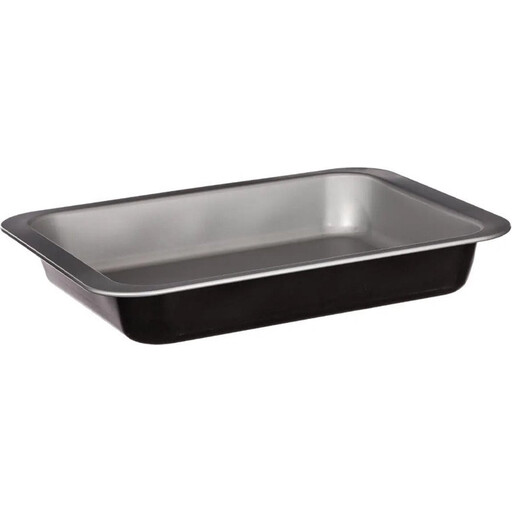
Why this product fits the profile: This rectangular oven dish with a 2.4-litre capacity is ideal for smaller households and classic dishes like lasagne, potato bakes or gratins.
The specific dimensions of 32 × 24 × 5 cm and the capacity help you choose the dish based on more than just a vague size label. The coating should be cleaned by hand.
Metal construction, ILAG non-stick coating, 2.4-litre capacity and a rectangular shape suitable for casseroles.
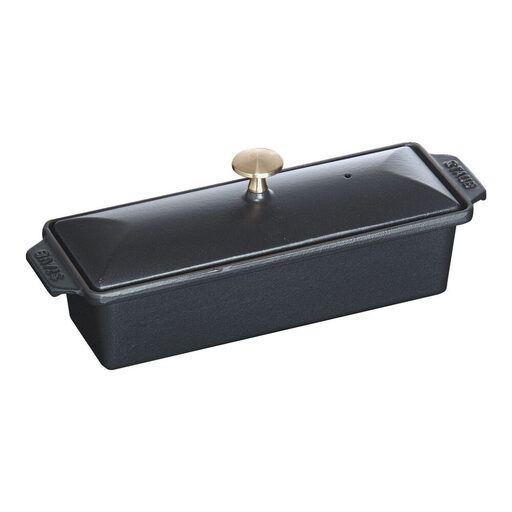
Why this product fits the profile: This cast iron terrine with lid is aimed at users who value heat retention, versatile use and a durable material construction.
The weight of 3.32 kg makes the robust construction transparent. Oven safety, induction suitability and heat resistance up to 240 °C are also clearly stated.
Cast iron, 1.45-litre capacity, lid with steam vent, side handles and glossy black enamel interior.
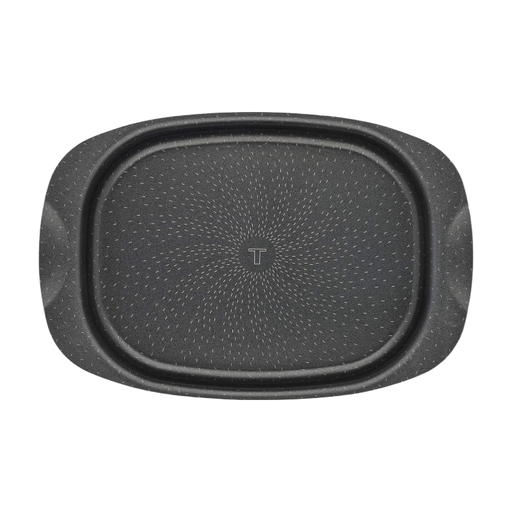
Why this product fits the profile: With a 4.75-litre volume, this rectangular oven dish is ideal for larger portions, lasagne, pasta dishes and vegetable gratins.
The capacity is clearly stated, making it more informative than simply labelling it “large”. Despite being dishwasher-safe, hand washing is recommended to preserve the coating.
Recycled aluminium, non-stick coating, lid, and suitability for oven and freezer.
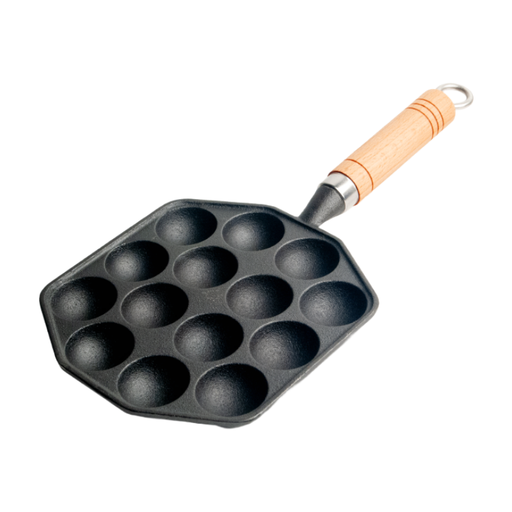
Why this product fits the profile: This specialist cast iron pan is designed for takoyaki and similar filled dough balls, adding a clearly defined purpose to a versatile kitchen setup.
The dish is categorised as a specialist hob pan rather than a universal baking tray. At 2.02 kg, the weight is easy to assess before purchase.
Cast iron body, natural wooden handle, compact dimensions and even heat distribution according to the product description.
We’ve put together a full, regularly updated list of products that fully meet these strict selection criteria and the safety regulations in force in the EU.
For families, rectangular oven dishes with a capacity of around 3 to 5 litres are practical. They offer space for lasagne, casseroles or gratins. Before buying, compare the internal dimensions with your oven size to ensure the dish fits securely on the rack.
The lifespan depends on use and care. Gentle greasing, wooden or silicone utensils, and hand washing can help preserve the coating. Scratches, sudden temperature changes and abrasive cleaners should be avoided. It’s not possible to give a reliable general durability figure.
No. An oven dish should only be used on a hob or induction surface if the manufacturer explicitly states this. Many metal, aluminium or coated dishes are intended solely for oven use. The product description and instructions are therefore decisive before use.