
Lieferung heute & morgen

Qualitätsgarantie

Willkommens-Angebote freischalten: KOSTENLOSE Lieferung | Bis zu 80 % RABATT | Kostenlose 30-Tage-JoyPlus-Testphase
App herunterladen
The right tin or tray is not the only factor that determines the result. Size, material, coating and cleaning all affect whether a cake bakes evenly, a bake comes out of the tin safely or a baking tray starts showing signs of wear after only a short time. When choosing baking tins and baking trays, home bakers and families should therefore look beyond an attractive product image or the words “non-stick”.
A non-stick baking tin can make it easier to remove cakes, brownies or quiche. However, the coating will only remain effective for as long as possible if you avoid using metal knives, forks or abrasive sponges. The general statement “dishwasher-safe” also says little about which cleaning method will extend the product’s lifespan. Several products recommend hand washing despite being suitable for use in a dishwasher.
A rectangular baking tin measuring 36 × 24 cm holds considerably more mixture than a 26 cm round cake tin. If you use a recipe intended for a different tin size, the baking time and depth of the mixture may change. Before buying, you should therefore check the internal dimensions, external dimensions and rim height. With baking trays in particular, it is important to make sure the dimensions actually fit inside your oven and that there is enough room for the rails.
Aluminium distributes heat relatively quickly and can be practical for cakes, brownies or oven-baked dishes. A cast-iron tin, on the other hand, retains heat for longer but is considerably heavier. An ovenproof tin is not automatically suitable for hobs, induction or microwaves either. Always follow the manufacturer’s information regarding hob type, temperature range and temperature changes.
With an aluminium baking tin, the low weight is a practical advantage. Some products associate recycled aluminium with even heat distribution. According to the product information, the Tefal Success Baking Dish with a diameter of 26 cm is made from recycled aluminium and has a PFOA-, lead- and cadmium-free non-stick coating.
Steel and carbon steel can provide a rigid construction. With coated versions, it is particularly important to avoid sharp objects. Cast iron is robust and retains heat for longer, but it is heavier. According to the product data, the STAUB Specialities Terrine weighs 3.32 kg, has a capacity of 1.45 l and is heat-resistant up to 240 °C. It is suitable for the oven, freezer and all hobs, including induction.
A coating should not simply be advertised as “non-stick”; ideally, there should also be specific information about care and use. With tins featuring a removable base, check whether the base fits securely and whether it is cut-resistant or enamelled. According to the product description, the Original Kaiser La Forme Plus Rectangular Tin has an enamelled, removable base, is heat-resistant up to 250 °C and is designed for quiche, tart and cake.
The following applies to cleaning, regardless of the material:
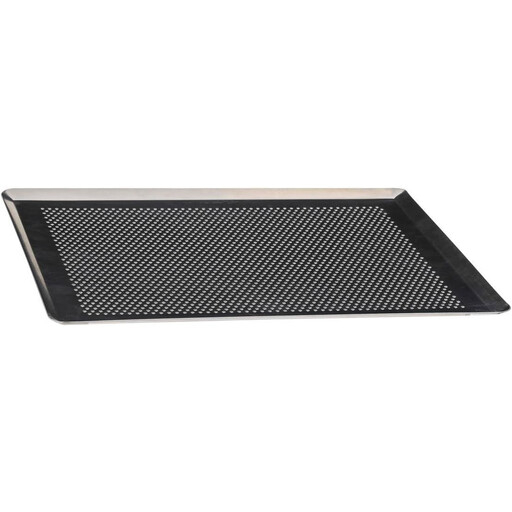
Why this product suits the profile: This lightweight aluminium baking tray handles everyday tasks such as biscuits, pizza and oven-baked dishes without taking up much storage space.
The dimensions of 40 × 30 × 1 cm and suitability for oven use are clearly stated. This reduces the risk of buying the wrong product because of unclear size information.
Weighing 320 g, dishwasher-safe and suitable for the oven; not intended for microwave use.
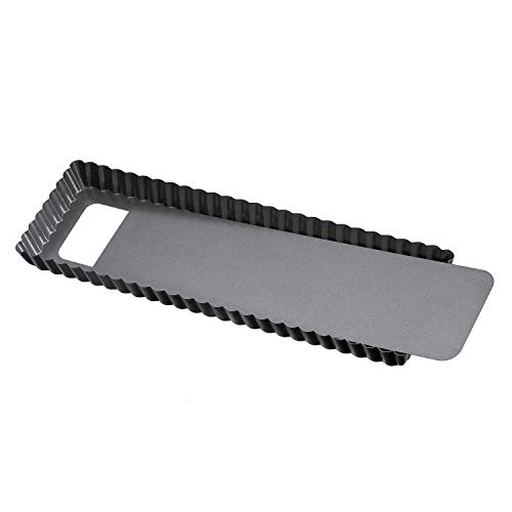
Why this product suits the profile: Measuring 35 × 13 cm, this tin is aimed at households that regularly prepare quiche, tart or narrow cakes and value a removable base.
The removable, enamelled base makes it easier to transfer the bake and is described as cut-resistant. The tin is explicitly not suitable for use on hobs.
Steel construction, ceramic-reinforced coating, temperature resistance up to 250 °C and a stated ten-year guarantee on the non-stick coating.
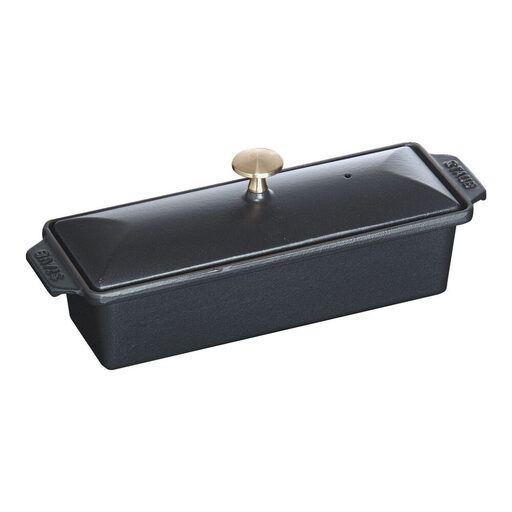
Why this product suits the profile: This cast-iron dish with lid is designed for terrines, slow-cooked meat, fish and vegetable dishes, as well as use on various types of hob.
At 3.32 kg, this dish is less flexible than a lightweight baking tray, but its weight is clearly stated. Guidance on temperature changes and suitable utensils helps ensure safe use.
1.45 l capacity, lid with steam vent, glossy enamel interior, and suitability for the oven, freezer, dishwasher and induction hobs.
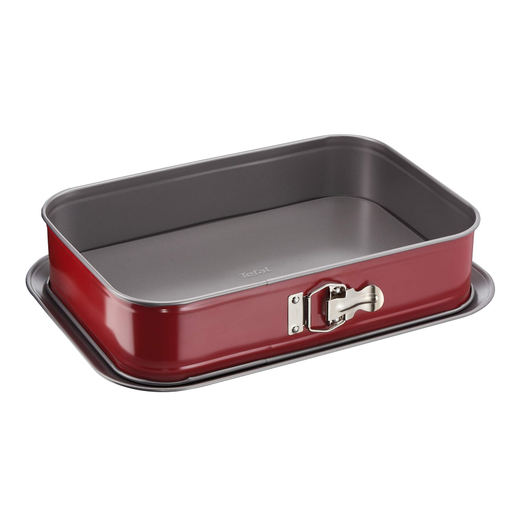
Why this product suits the profile: This rectangular baking tin provides room for brownies, bars, cakes and larger portions. The removable base is practical when serving.
The overflow edge and extended rim are specific design features that help prevent drips in the oven. Hand washing is recommended for the coating.
Carbon steel with non-stick coating, removable base and a format designed for larger bakes.
We have compiled a complete, regularly updated list of products that fully meet these strict selection criteria and the safety regulations applicable in the EU.
For cakes, a round cake tin with a suitable diameter is a sensible choice. Brownies, bars and traybakes often turn out well in a rectangular baking tin with a higher rim. The key is to follow the tin size specified in the recipe as closely as possible or adjust the baking time accordingly.
This depends on the specific product and its coating. According to the manufacturer’s information, some aluminium baking trays are dishwasher-safe. For coated tins, however, hand washing with mild washing-up liquid may still be the gentler option. Abrasive cleaners and metal utensils should be avoided.
A baking tin is often designed for cakes, gateaux, quiche or baked goods. A baking dish usually has higher sides and is intended for moist or layered dishes such as lasagne, gratins and vegetable bakes. A roasting dish can also be used for meat and larger oven portions. The manufacturer’s specific temperature and usage recommendations remain decisive.