
Lieferung heute & morgen

Qualitätsgarantie

Willkommens-Angebote freischalten: KOSTENLOSE Lieferung | Bis zu 80 % RABATT | Kostenlose 30-Tage-JoyPlus-Testphase
App herunterladen
Whether you are making a cake, cheesecake, quiche or dessert, choosing the right baking tin affects more than just appearance. It also influences baking time, how easily the bake can be removed and how simple the tin is to clean. Many home bakers look first at the price or an eye-catching non-stick coating when buying. Important details such as the base construction, fastening mechanism and maximum temperature are easily overlooked.
This buying guide from the Joybuy Product Recommendation Officer explains what families, baking enthusiasts and ambitious home bakers should look for in a cake baking tin.
A non-stick baking tin can make it easier to remove your cake. However, the term alone says little about durability or care. The manufacturer’s instructions are what matter:
Several models in this selection are specifically intended for hand washing. Harsh cleaning products, scouring pads and sharp objects can damage the surface.
With a springform tin or a rectangular springform tin, a poorly fitted fastening mechanism can cause batter to leak. Particularly runny cheesecake or chocolate mixtures need a sturdy ring and a base that is as leak-resistant as possible.
You should therefore look for a clearly described fastening mechanism, a secure-fitting base and details of the recommended use. A springform tin is not a substitute for a completely leak-proof baking tin when working with very runny mixtures.
A 20 cm baking tin, 25 cm baking tin, 28 cm baking tin or 30 cm baking tin cannot simply be swapped for another size. If a recipe intended for a 20 cm tin is baked in a 28 cm tin, the batter will be spread more thinly. This can alter both the baking time and the height of the cake.
As a general guide:
Steel and carbon steel are dimensionally stable and suitable for many classic cake tins. Aluminium is lightweight and conducts heat quickly, but depending on its construction, it may heat differently from heavier steel. An anodised surface, such as that on the BJ model with an active base, is described by the supplier as a durable surface.
Specific details are more important than general marketing claims. Look for information about:
The temperature limit should always remain below the maximum temperature stated for the product. Heat-resistant oven gloves are required when removing the tin.
A coating can make removal easier, but it does not replace proper preparation. With delicate mixtures, lightly greasing the tin or lining the base may be advisable.
A baking tin with a lift-out base, or a removable base, helps with releasing cake layers, quiches and delicate desserts. With a cake tin featuring a removable base, you should also check whether it is sufficiently leak-resistant for runny batters.
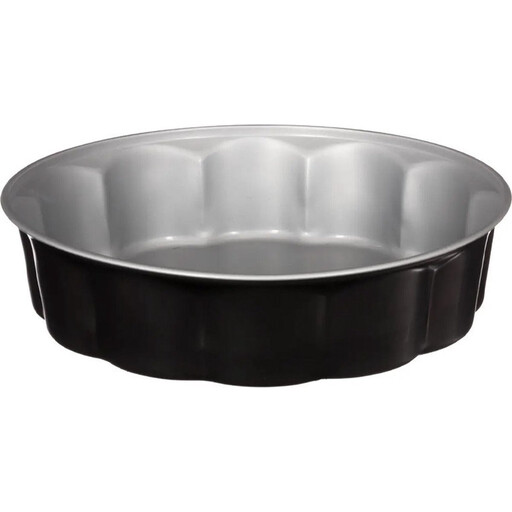
Why this product suits this profile: The 26 cm cake tin offers a popular size for everyday cakes and family portions. The metal body is listed as having a PTFE coating and is designed for use in the oven.
The dimensions, material and care recommendation are clearly stated. This makes it easier to compare the tin with recipes you already use.
26 cm diameter, 6.5 cm height and a weight of approximately 300 g; hand washing is recommended.

Why this product suits this profile: The 28 cm springform tin combines a SafeClick fastening mechanism, a leak-resistant base and a KAIRAMIC coating. The manufacturer states that it is heat-resistant up to 250 °C.
The fastening mechanism and base construction are clearly described. This reduces the risk of choosing a springform tin without sufficient information about its leak resistance.
28 cm diameter, 3.4 l capacity, leak-resistant base and cut-resistant enamel base; the side section is not intended for the dishwasher.
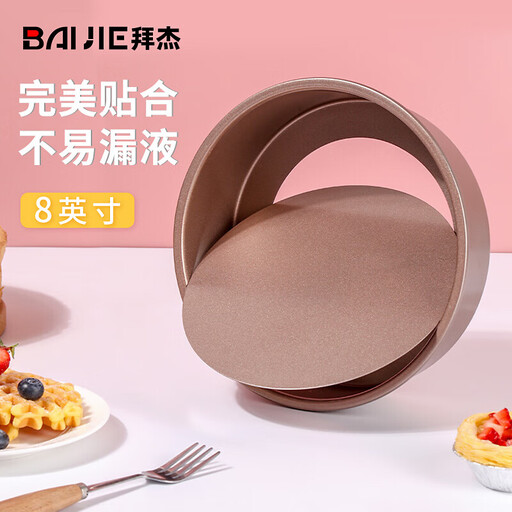
Why this product suits this profile: This chiffon cake tin is designed for light, airy cakes with a tube core. The removable base helps with release when the cake is carefully loosened with a spatula after baking.
The special design is not described merely as a general cake tin; it is intended specifically for chiffon cakes with a tube construction.
8-inch design, two-piece construction and removable base for light, airy mixtures.
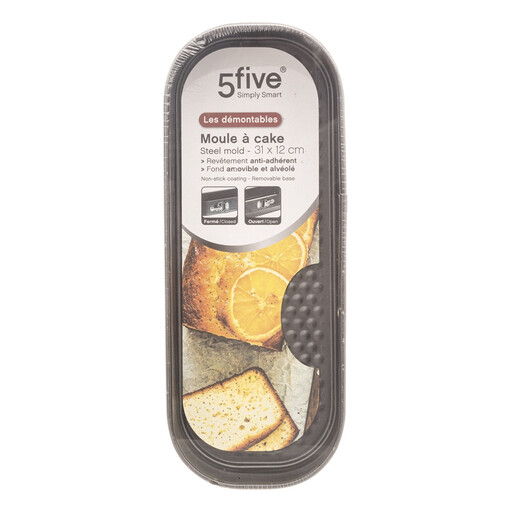
Why this product suits this profile: The elongated design is intended for larger cakes, brownies, cheesecakes and layered desserts. The side fastening mechanism makes it easier to release delicate bakes.
The dimensions are clearly stated. This allows you to check before buying whether the tin will fit in your oven and hold the desired quantity.
31 × 12 cm, non-stick interior, springform mechanism and hand washing to protect the coating.
We have put together a complete, regularly updated list of products that fully meet these strict selection criteria and the safety regulations applicable in the EU.
To keep your baking tin usable for as long as possible, follow the manufacturer’s instructions:
A tin with a damaged non-stick coating should not be used any further. The fastening mechanism of a springform tin should also be fully closed before every baking session.
A springform tin with a secure fastening mechanism and removable base is practical for cheesecake. With a very runny filling, you should also look for a base that is as leak-resistant as possible and, if necessary, use the tin with baking paper or a suitable external seal.
For many household recipes, 24 to 26 cm is standard. A 28 cm baking tin is suitable for larger cakes and family-sized portions. A 20 cm baking tin is a good choice when baking smaller quantities or compact cakes.
Its lifespan depends on the material, use and care. High temperatures, scratches, abrasive cleaning products and incorrect dishwasher cleaning can affect the coating. The care and safety instructions provided by the individual manufacturer should therefore always be followed.