
Lieferung heute & morgen

Qualitätsgarantie

Willkommens-Angebote freischalten: KOSTENLOSE Lieferung | Bis zu 80 % RABATT | Kostenlose 30-Tage-JoyPlus-Testphase
App herunterladen
When buying baking tins, shoppers often focus first on the price, colour or an advertised non-stick coating. In everyday use, however, other factors determine whether a cake tin, bread tin or baking dish remains practical over time. For home bakers in Germany, the key considerations are the material, heat resistance, cleaning requirements and how the tin will actually be used.
A non-stick baking tin can make it easier to remove cakes and bread. However, this also depends on how it is cared for. Metal knives, rough sponges and abrasive cleaning products can damage the surface. Not all coated tins are dishwasher-safe either.
Before buying, check the following:
A temperature rating such as 240 or 260 °C normally describes the permitted use in an oven. It does not mean that the tin is suitable for hobs, induction, naked flames or the grill. An oven-safe baking tin is often intended exclusively for use in the oven.
Moving from the freezer to the oven is not permitted with every material either. Stoneware and ceramic can be damaged by sudden temperature changes through thermal shock. You should therefore always follow the manufacturer’s instructions before combining these types of use.
A cake tin with a diameter of 26 cm may fit into the oven without any problems, while a wide baking dish with handles or a high rim could be difficult to accommodate. Measure the inside of your oven and also take the following into account:
Carbon steel and steel heat up relatively quickly and are suitable for cakes, tarts, quiches and bread. A coating can make it easier to remove the bake, but requires gentle cleaning. According to the product details, some steel models with an enamel base combine dimensional stability with a cut-resistant underside.
Stoneware and porcelain retain heat and are suitable for cakes, gratins, lasagne and desserts. They are often microwave-, freezer- and dishwasher-safe. Even so, sudden changes in temperature should be avoided.
Cast iron retains heat for longer and is correspondingly heavy. This can be useful for a large baking dish or roasting dish, but may also make it impractical to lift out of the oven every day. Check the handles, weight and permitted temperature.
The shape should suit the type of baking you usually do:
Do not just look at the dimensions; consider the capacity too. A 1-litre tart tin is designed for a shallow quiche and does not replace a deep baking dish.
The permitted maximum temperature must be higher than the baking temperature you plan to use. You should also check whether lids, silicone inserts or plastic components have their own temperature limits. With ramekins that have lids, the temperature rating for the lid does not automatically apply to use in the oven.
For coated tins, soft sponges, mild washing-up liquid and allowing the tin to cool completely before cleaning can extend its practical service life. With ceramic and cast-iron cookware, letting the dish cool slowly prevents unnecessary stress in the material.
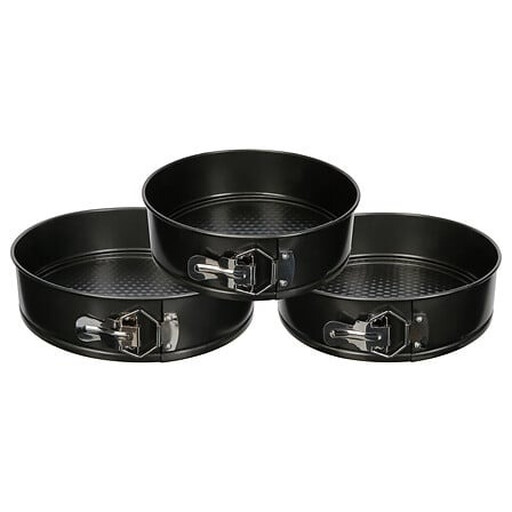
Why this product suits this profile: Three graduated sizes from 22 to 26 cm cover different quantities of cake and can be nested inside one another to save space.
The different diameters mean you do not need to buy a new tin for every recipe quantity. Before use, check the stated maximum temperature of 280 °C.
Three sizes, stackable design and removable base with locking mechanism.
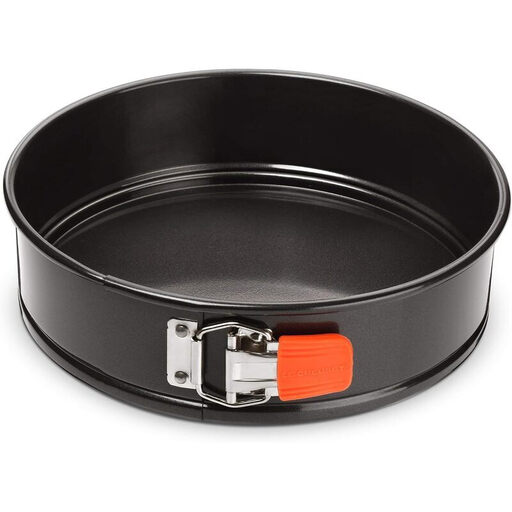
Why this product suits this profile: The 20 cm springform tin is designed for compact cakes, gateaux and cheesecakes. Carbon steel, the side clasp and removable base help ensure controlled release.
The product details state 240 °C as the oven limit and recommend hand washing. This helps avoid incorrect expectations about use on a hob or in a dishwasher.
Removable base, side clip and reinforced rim; according to the product details, suitable for delicate cakes.

Why this product suits this profile: According to the product description, this loaf tin is designed for loaves of up to around 1,000 g, as well as sweet and savoury baked goods.
The specified dough or loaf size makes it easier to choose the right tin. As hand washing is recommended, the care requirements are clear before purchase.
Coated steel, enamel base, 30 cm format and stated heat resistance up to 250 °C.
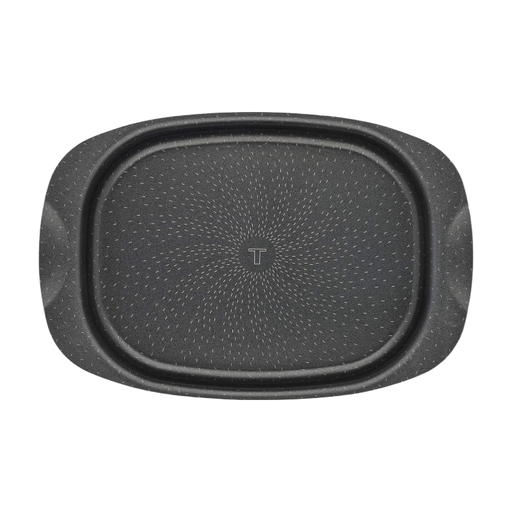
Why this product suits this profile: The rectangular format with a capacity of 4.75 litres is designed for lasagne, gratins and larger oven-cooked dishes.
The capacity and internal dimensions are clear before purchase. According to the product details, the lid can be used for storage and transport; hand washing is recommended to help protect the dish.
24 × 36 cm, 4.75-litre capacity, lid and coated recycled aluminium according to the product details.
We have put together a complete, regularly updated list of products that fully meet these strict selection criteria and the safety regulations applicable in the EU.
For cakes, a springform tin, loaf tin or classic cake tin is suitable. Bread turns out better in a specially sized bread tin or loaf tin because the height and capacity are matched to the quantity of dough. For a loaf weighing around 1 kg, check the manufacturer’s recommendation for the appropriate dough quantity.
Their lifespan depends on the thickness of the material, how often they are used and how they are cared for. Avoid sharp objects, metal scratches and abrasive cleaners. Overheating and incorrect use on a hob can also damage the tin. With regular use, careful hand washing is often advisable, even when the manufacturer generally permits dishwasher cleaning.
Many ramekins and ceramic dishes are suitable for use in the oven. However, the specific temperature limit and instructions regarding temperature changes are decisive. Plastic lids should generally not be placed in a hot oven. Before use, check the dishes for cracks and, after baking, remove them with heat-resistant gloves.