
Lieferung heute & morgen

Qualitätsgarantie

Willkommens-Angebote freischalten: KOSTENLOSE Lieferung | Bis zu 80 % RABATT | Kostenlose 30-Tage-JoyPlus-Testphase
App herunterladen
A baking tin needs to do more than simply hold the dough in shape. Depending on the recipe, even heat distribution, safe handling and suitable cleaning are all crucial. If you focus only on colour, brand name or a supposedly particularly durable coating, you may end up buying a tin that does not suit the way you bake every day.
A loaf tin measuring 30 cm in length will not automatically fit every oven rack or baking tray. In addition, the stated length does not always indicate the usable internal dimensions. For bread, sponge cakes and bakes, internal dimensions and capacity are therefore important values to compare.
A non-stick baking tin can make it easier to remove your bake. However, coatings are sensitive to metal knives, abrasive sponges and unsuitable cleaning methods. Some models are expressly not suitable for the dishwasher. Washing by hand may require a little more effort, but it helps protect the surface.
“Suitable for the oven” alone says little about how a tin can actually be used. The maximum permitted temperature, suitability for the microwave or freezer, and advice on rapid temperature changes are all relevant. A stoneware baking tin, for example, may be ovenproof but is not automatically suitable for hobs or direct heat.
The material affects heat distribution, weight, cleaning and the range of possible uses.
The right size depends on the recipe and the size of your household:
Before buying, these details should be compared:
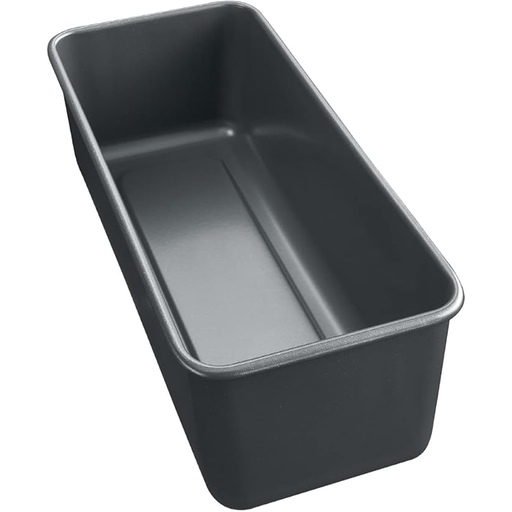
Why this product suits this profile: This 30 cm steel loaf tin has a capacity of 2.4 l and is designed for cakes and larger bakes.
The specifications clearly state the material, capacity, temperature limit and hand-washing requirement, so the tin is not chosen solely because it is described as “non-stick”.
Coated steel, enameled base, 2.4 l capacity and oven suitability up to 250 °C.
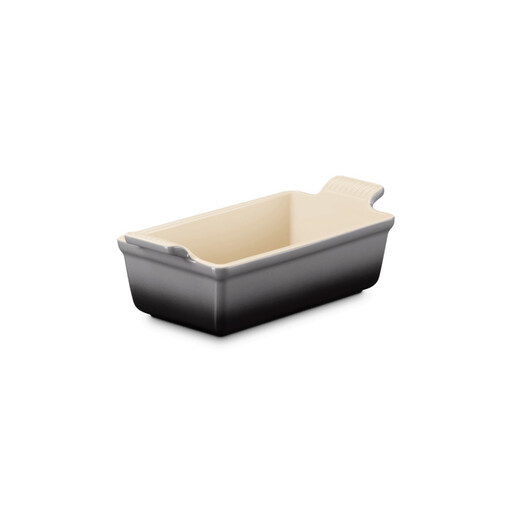
Why this product suits this profile: This 1.4 l stoneware loaf tin is suitable for smaller loaves, cakes, gratins and desserts and, according to the product information, can be used in the oven at temperatures of up to 260 °C.
The defined temperature range and guidance on freezer, microwave and dishwasher use make the limitations clear. Direct heat from a hob is not permitted.
Enameled stoneware, 1.4 l capacity and temperature resistance from -23 °C to 260 °C.
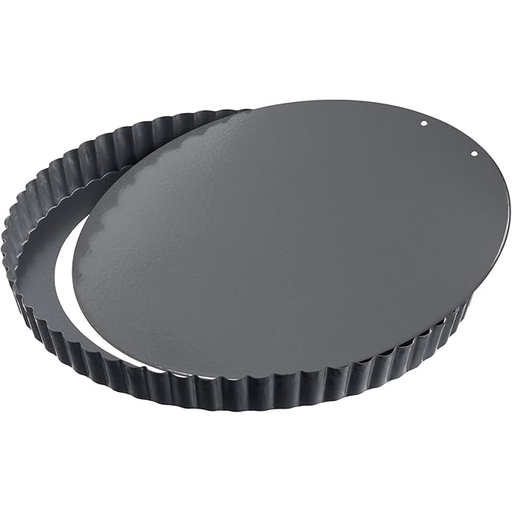
Why this product suits this profile: This round tin with a removable base is designed for tarts and quiches, making it easier to release and serve delicate bakes.
The removable, enameled base reduces the risk of damaging the finished pastry when releasing it. The tin is designed for oven use, not for hobs.
32 cm diameter, cut-resistant enamel base, steel construction and heat resistance up to 250 °C.
For family meals, a rectangular baking dish with high sides is a sensible choice. The Le Creuset Tradition Square Baking Dish Set contains two square stoneware dishes with side lengths of 13 and 20 cm. According to the product information, both are suitable for the oven, microwave, freezer and dishwasher.
A quiche tin with a removable base is practical when you want to present the pastry base directly on a serving plate. For narrow rectangular tarts, models measuring 33 × 13 cm or 35 × 13 cm are suitable. If you regularly bake Bundt cakes, you can choose a Kaiser La Forme Plus round tin with a diameter of 22 cm and a volume of 2.8 l.
Small portions can be prepared in a 180-ml mini cocotte dish or a 250-ml baking dish from Le Creuset. These sizes are suitable for individual desserts, gratins or side dishes, among other things.
We have put together a complete, regularly updated list of products that fully meet these strict selection criteria and the safety regulations applicable in the EU.
For bread, a loaf tin with sufficient length, a suitable capacity and a defined oven temperature are important. Metal utensils should be avoided with coated bread tins. For larger loaves, models measuring 30 cm in length and designed for around 1 kg of dough or bread may be suitable.
There is no standard lifespan that can be given. It depends on temperature, cleaning and the utensils used. Gentle hand washing, soft sponges and the use of wooden or silicone utensils can help protect the coating. If there are visible scratches or chips, the tin should no longer be used.
This depends on the material and the manufacturer’s approval. According to the product information, some Le Creuset stoneware tins are suitable for transfer from the freezer to the oven up to the specified temperature. The specific information for the tin must be checked before every use. Tins without the relevant approval should be gradually acclimatised to changes in temperature.