
Lieferung heute & morgen

Qualitätsgarantie

Willkommens-Angebote freischalten: KOSTENLOSE Lieferung | Bis zu 80 % RABATT | Kostenlose 30-Tage-JoyPlus-Testphase
App herunterladen
For many children, getting a balance bike is the first step into the world of two-wheeled mobility. A well-suited model not only fosters a sense of balance and coordination but also provides an ideal preparation for riding a pedal bike later on. However, the market offers an overwhelming variety, and not every product advertised as a balance bike for toddlers is a worthwhile investment. Certain marketing promises and design flaws can lead to the bike being left unused after a short time. This guide highlights the pitfalls to avoid and the objective criteria that matter when making your choice.
Before we dive into the crucial features, it's important to understand the common problems that can spoil the fun and lead to unnecessary expenses.
balance bike from age 3 with a seat and handlebars that cannot be adjusted, or only inadequately, is quickly outgrown. A rigid design means that a bike that initially fits perfectly will force an unhealthy posture and compromise riding safety after just a few months.training balance bike, the focus should be on hassle-free and constant readiness.To avoid a bad purchase, you should base your decision on objective, technical features. The following three points are crucial for the safety, comfort, and longevity of a balance bike.
A lightweight balance bike is essential for children aged three. It allows them to master the vehicle independently and build confidence in their own abilities. Models made from light steel alloys or aluminum offer a good compromise between stability and low weight. Pay attention to the manufacturer's weight specification and compare it to your child's body weight. A low weight is a direct contributor to active use and learning success.
The most important feature for long-term use is the adjustability of the seat and handlebars. A balance bike for ages 3 to 6 should offer a generous adjustment range. Before buying, measure your child's inseam (inner leg length). The minimum seat height of the balance bike should be slightly below this measurement, allowing the child to stand with both feet flat and securely on the ground while seated. This is the only way they can push off and brake effectively—a fundamental requirement for learning to ride a bike.
The choice of tires affects both maintenance and riding comfort. Puncture-proof tires made of EVA foam or solid rubber are maintenance-free and ideal for use on paved surfaces like sidewalks or in parks. They completely eliminate the risk of a flat tire. Practical additional features like an integrated balance bike with a kickstand make parking easier, protect the frame from scratches, and teach the child proper care for their vehicle from the start. Safety handlebar grips with thick ends protect the hands during sideways falls.
Based on the criteria above, we have identified a few models that are well-suited for different preferences.
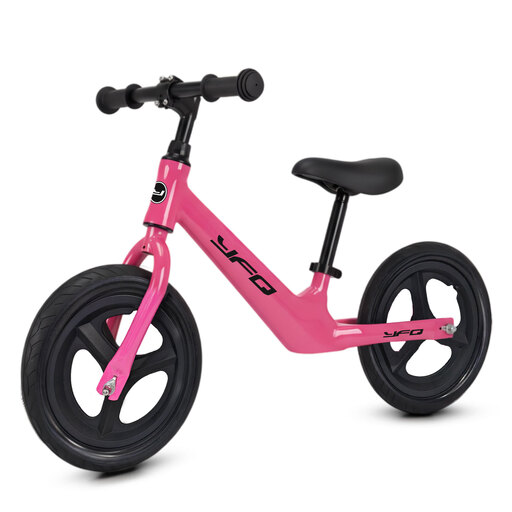
Why it's a great fit: Ideal for children who love bright and cheerful colors. The pink design adds a personal touch and ensures high visibility at the playground.
Addresses the "one-size-fits-all" trap with its continuously adjustable seat, which provides an ergonomic posture for growing children from 3 to 6 years old.
Maintenance-free "Air-Free" tires mean no punctures will interrupt the fun. The integrated kickstand makes parking easy.

Why it's a great fit: A timeless, neutral color that is resilient to dirt and always looks stylish. The classic choice for a `first pedal-less bike`.
Solves the weight dilemma with its lightweight construction. This makes it easy even for younger children to handle the bike safely and find their balance.
The lightweight design ensures effortless handling, while the adjustable seat guarantees several years of use.
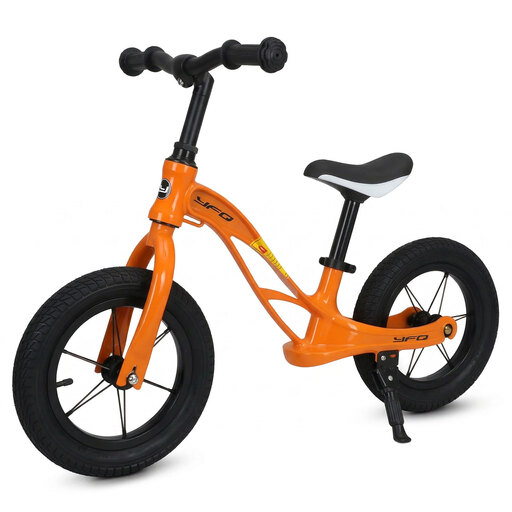
Why it's a great fit: The dynamic orange color signals energy and a love for adventure. An excellent choice for active children who can't wait to explore the world.
Bypasses the maintenance pitfall by using puncture-free tires. There are no more flat tires to end an outing abruptly.
The combination of puncture-proof tires and a lightweight frame ensures maximum, uninterrupted riding fun and easy handling.
We have compiled a complete, up-to-date list of products that fully meet these strict selection criteria and safety regulations.
More crucial than overall height is the inseam (inner leg length). The child should be able to sit on the saddle with both feet flat on the ground, with their knees slightly bent. A typical inseam for three-year-olds starts at around 35 cm (approx. 14 inches). Therefore, always check the minimum seat height specified by the manufacturer.
A high-quality and highly adjustable balance bike for ages 3 to 6 can easily be used for two to three years. Children typically move on to a pedal bike once they have confidently mastered balancing and gliding on the balance bike and have developed the necessary self-assurance.
For most three-year-olds, a handbrake is not strictly necessary. Their primary and most intuitive braking method is using their feet. Often, their hand strength and motor coordination are not yet sufficient to operate a handbrake effectively and safely. However, for older or more advanced riders (around four to five years old), a handbrake can be a useful addition to prepare them for operating a future pedal bike.