
Lieferung heute & morgen

Qualitätsgarantie

Willkommens-Angebote freischalten: KOSTENLOSE Lieferung | Bis zu 80 % RABATT | Kostenlose 30-Tage-JoyPlus-Testphase
App herunterladen
Choosing a child's first vehicle is a pivotal decision. A balance bike not only promotes a sense of balance and coordination but also prepares them for riding a bicycle later on. However, given the vast array of models, materials, and features, the selection process can quickly become overwhelming. This article serves as an objective guide to help you find a suitable and safe children's balance bike that meets your child's developmental stage and needs.
To make an informed decision, several technical and functional criteria are crucial. These factors will help you choose a model that is safe and can be used over a long period.
The correct size is essential for both safety and enjoyment. When seated, a child should be able to touch the ground flat-footed with both feet, with their knees slightly bent. Therefore, pay close attention to the specified saddle height and compare it with your child's inseam.
A bike that grows with your child, featuring an adjustable saddle and ideally adjustable handlebars, offers extended usability. It adapts to the child's growth and ensures an ergonomically correct posture for years to come.
The frame's material affects the bike's weight, durability, and maintenance.
Safety is the top priority. Key features include:
Based on functionality, material, and adaptability, we have compiled a selection of different balance bike types that cater to various needs.
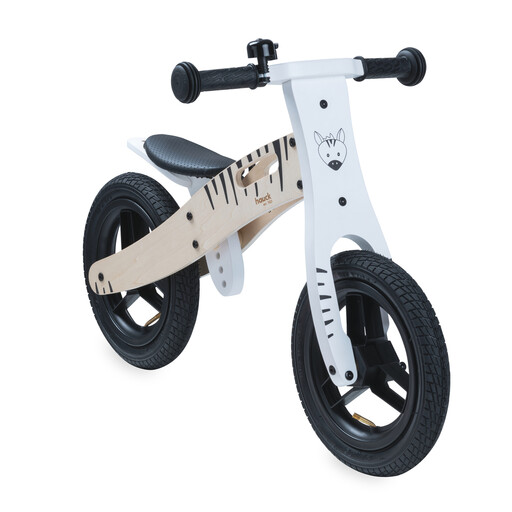
Why it stands out: This wooden balance bike combines a sustainable material concept with a high level of riding comfort. The frame is made from FSC-certified wood, which supports environmentally conscious forestry.
Advantages:
Who is it for? For families who value natural materials, sustainability, and a classic design. It is suitable for children from around 18 months who can already walk confidently.
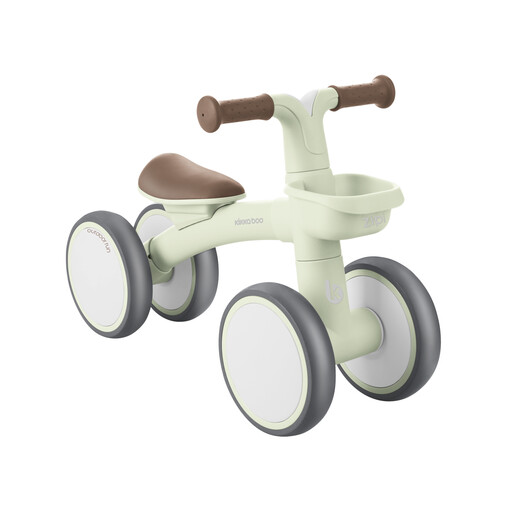
Why it stands out: The Zipi is designed as a balance bike for ages 1 and up and is distinguished by its extremely low weight and safety features tailored for the youngest riders.
Advantages:
Who is it for? Ideal for parents looking for a first, very lightweight, and safe children's balance bike for their child aged 1 to 3 years. It's an excellent choice for their first balancing exercises.
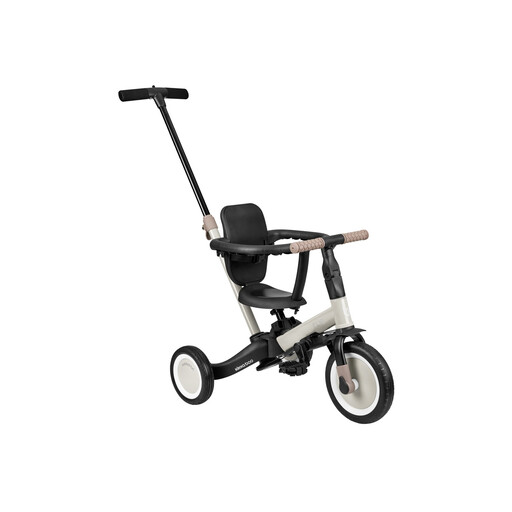
Why it stands out: This model is a true all-rounder, combining a tricycle and balance bike in one. It accompanies children through five different developmental stages from 1 to 5 years old.
Advantages:
Who is it for? For families looking for a flexible all-in-one solution that grows with their child and combines different vehicle types in a single product.
If our selection didn't include the right model for your needs, you can find a wider range of vehicles for different age and development stages. Discover more models in our Baby Toys & Activity Gear category.
Most children are ready for a balance bike around 18 months to 2 years of age, as soon as they can walk confidently and steadily. However, there are also special models like the Kikka boo Zipi, which are designed as a balance bike for ages 1 and up and are suitable for early balancing practice.
The saddle height is set correctly when the child can sit on the saddle and place both feet completely flat on the ground. Their knees should be slightly bent. This position allows for safe pushing off and stopping.
A wooden balance bike stands out with its natural aesthetic and is often made from sustainable raw materials. The material is robust and durable. However, compared to metal, it may require a bit more maintenance to protect it from prolonged exposure to moisture.